
 Business License

Understanding the Role of a Heater Control Valve in Efficient Temperature Regulation
You know the feeling. It is the middle of January, the windshield is frosted over, and you are shivering in the driver's seat, waiting for the warm embrace of your car’s heater. But minutes pass, the engine temperature gauge climbs, yet the air blowing from your vents remains stubbornly icy. Or perhaps you are facing the opposite problem: a sweltering summer day where your air conditioning is fighting a losing battle against a blast of unexplained heat coming from the dashboard.
While the engine and the radiator get all the glory for thermal management, the heater control valve acts as the dedicated gatekeeper for your cabin’s comfort. It is a simple device with a complex responsibility, bridging the gap between the extreme heat of your engine and the climate control settings on your dashboard. When it works, you don’t know it exists. When it fails, your drive becomes unbearable.
What is a Heater Control Valve?
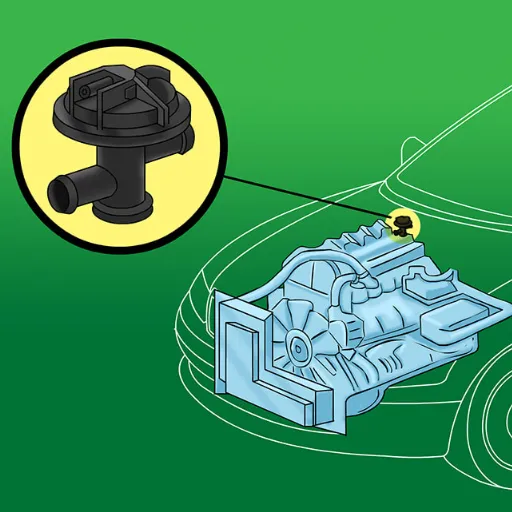
Definition and Function of the Heater Control Valve
At its core, a heater control valve is a directional tap located in one of the heater hoses. Its primary function is to regulate the flow of hot engine coolant into the heater core—a small radiator located inside the dashboard.
When you turn the temperature dial to "Hot," the valve opens, allowing the scorching coolant to flow into the heater core. A blower fan pushes air through the fins of the core, warming the air before it enters the cabin. When you turn the dial to "Cold" or turn on the Max A/C, the valve closes, stopping the flow of hot coolant. This prevents the heater core from radiating heat, making it easier for the air conditioning system to cool the cabin.
Importance of Heater Valves in HVAC Systems
The valve is critical for two main reasons: efficiency and comfort. Without a functioning valve, your HVAC system cannot effectively separate hot and cold functions.
If the valve is stuck open during summer, your air conditioner has to work twice as hard to overcome the heat radiating from the heater core. This puts extra strain on the A/C compressor and reduces fuel economy. Conversely, if the valve is stuck closed in winter, the engine might be at optimal operating temperature, but none of that thermal energy can reach the passengers.
Components of a Heater Control Valve Kit
When you purchase a replacement, you aren't just buying a simple gate. A standard heater control valve assembly or kit typically includes several key components:
The Valve Body: Usually made of high-grade plastic or corrosion-resistant metal, housing the internal flap or butterfly mechanism.
Actuator: This is the "muscle" that opens or closes the valve. Older cars use cable-operated levers, while modern vehicles use vacuum diaphragms or electronic motors.
Inlet and Outlet Ports: Connection points for the rubber heater hoses.
Bypass Channel: Some advanced valves feature a mechanism to redirect coolant back to the engine rather than just stopping it (more on this later).
How the Heater Control Valve Works
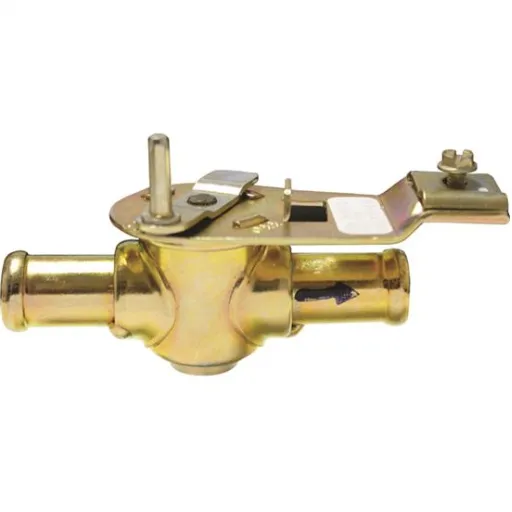
Mechanism of Temperature Regulation
The method by which the valve receives its orders depends on the age and sophistication of your vehicle.
Mechanical (Cable-Operated): In vintage vehicles, a physical steel cable ran from the temperature slider on the dashboard directly to the valve in the engine bay. Moving the lever physically pulled the valve open.
Vacuum-Operated: Common in cars from the 80s, 90s, and early 2000s. The engine creates a vacuum (negative pressure). When you adjust the climate settings, a vacuum switch sends suction to the valve, pulling a diaphragm that opens or closes the gate.
Electronic: Modern vehicles use electronic actuators. Sensors monitor the cabin temperature and the climate control setting, sending an electrical signal to a small motor on the valve to open it to a precise degree.
Interaction with the Heater Core and Coolant Flow
The relationship between the valve and the heater core is symbiotic. The heater core is essentially a heat exchanger. It relies entirely on the valve to supply it with energy.
When the valve opens, the water pump forces coolant—often reaching temperatures of 190°F to 220°F (87°C to 104°C)—through the inlet hose and into the core. The core absorbs this heat. If the valve is only partially open (in electronic systems), it restricts the flow volume, allowing for "warm" air rather than "hot" air. This precise metering allows for the automatic climate control found in luxury vehicles, where the system maintains a specific temperature rather than just blasting hot or cold air.
Role of the Bypass Valve in the System
You might wonder: if the valve closes and stops the water, doesn't pressure build up? In simple systems, the flow simply stops, and the coolant takes other routes through the engine. However, stopping flow abruptly can sometimes cause "cavitation" or hot spots in the cylinder head.
To solve this, many heater control valves are designed as "H-valves" or bypass valves. When these valves close off the path to the heater core, they simultaneously open a bypass loop that sends the hot coolant immediately back toward the engine or radiator. This keeps the coolant moving constantly, preventing pressure spikes and ensuring the water pump always has fluid to move, regardless of your cabin comfort settings.
Signs of a Malfunctioning Heater Control Valve
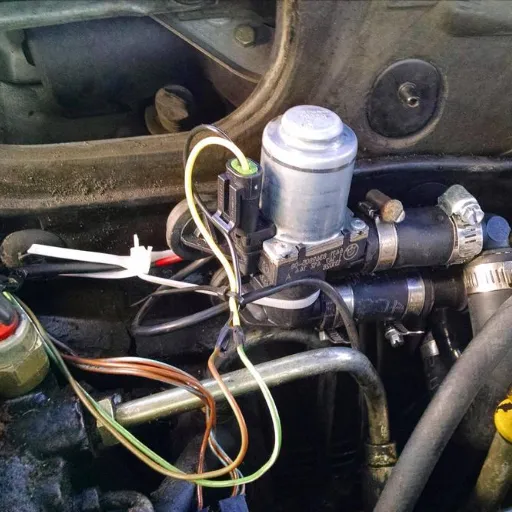
Common Symptoms to Watch For
Your car will usually communicate a valve failure through temperature irregularities.
No Heat: The most common symptom. The engine is warm, the coolant level is full, but the air from the vents is stone cold. This suggests the valve is stuck in the closed position or the actuator has failed.
Heat That Won't Turn Off: If you have the A/C on max but still feel warm air mixing in, the valve may be stuck open. The A/C evaporator is cooling the air, but the heater core is immediately reheating it.
Erratic Temperature Changes: If the air temperature fluctuates wildly without you touching the dial, the vacuum line controlling the valve may be loose, or the electronic solenoid may be failing intermittently.
Impacts on Vehicle Heating Efficiency and Engine Health
While a lack of heat is a comfort issue, a physical failure of the valve body is a mechanical emergency. Heater control valves are often made of plastic, which becomes brittle over time. If the valve body cracks or the internal seal fails, coolant will leak.
Low coolant levels are dangerous for your engine. If the valve leaks enough fluid, air pockets can form in the cooling system. These air pockets can prevent the thermostat from opening or stop the water pump from circulating fluid, leading to catastrophic engine overheating and blown head gaskets.
Diagnostic Tips for Identifying Issues
Before you rush to buy parts, perform these simple checks to confirm the valve is the culprit:
The Touch Test (Use Caution): With the engine fully warmed up and the heater turned to "High," pop the hood. Locate the two heater hoses going through the firewall. Carefully hover your hand near them (or touch lightly if you know it's safe). Both hoses should be hot. If the hose leading into the valve is hot, but the hose coming out of the valve is cold, the valve is stuck closed.
Visual Inspection: Look at the valve itself. Do you see crusty, white or pink residue around the seams? That indicates a slow coolant leak.
Vacuum Check: If you have a vacuum-operated valve, check the small rubber tube connected to it. Is it cracked or disconnected? If the vacuum line is damaged, the valve won't receive the signal to open.
Replacing Your Heater Control Valve
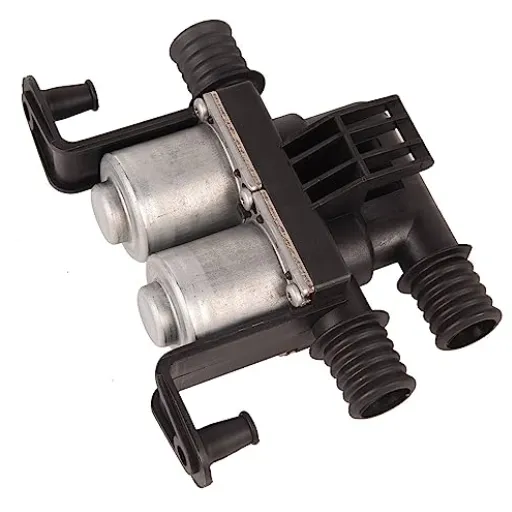
Choosing the Right Model for Your Vehicle
When sourcing a replacement, you will face a choice between OEM (Original Equipment Manufacturer) and aftermarket parts.
OEM: These are the exact parts the car was built with. They are generally more expensive but guarantee a perfect fit and proper calibration for electronic systems.
Aftermarket: These are often significantly cheaper. While many are high quality, be wary of the cheapest plastic options. Since this part holds hot, pressurized fluid, a cheap plastic weld can burst and leave you stranded.
Also, ensure you verify the specific configuration. Some models have two outlets, some have three (for the bypass), and they often look similar at a glance. Always cross-reference your VIN (Vehicle Identification Number) when ordering.
Step-by-Step Guide to Replacement
Note: Never open a cooling system when the engine is hot. The system is under pressure and can spray boiling liquid.
Cool Down: Ensure the vehicle is completely cold.
Drain Coolant: You do not need to drain the entire radiator. Place a catch pan under the area of the valve. You will lose some fluid when you disconnect the hoses.
Remove Clamps: Use pliers or a screwdriver to loosen the hose clamps securing the rubber hoses to the valve.
Disconnect: Twist and pull the hoses off the valve. Be gentle; if the hoses are old, they may tear. If they are stuck, you may need a hose pick tool or you might need to cut them (if you have enough slack or are replacing the hoses too).
Remove the Valve: Unbolt the valve from its mounting bracket or disconnect the vacuum/electrical line.
Install New Valve: Connect the new valve in the same orientation. Direction matters—look for an arrow on the body indicating flow direction.
Reconnect Hoses: Slide hoses back on and secure the clamps. Ensure the clamps are positioned past the barb on the fitting for a tight seal.
Refill and Bleed: Top up the coolant reservoir. Start the car and turn the heat to max. Let it run with the radiator cap off (or reservoir cap open) to let air bubbles escape. This is called "bleeding" the system. As the air leaves, the coolant level will drop—keep topping it up until the heat blows hot and the level stabilizes.
Recently Posted
-
Understanding the Functions of Suction Valve and Discharge Valve in Pump Systems
December 18, 2025Industrial pump systems rely on precise mechanical coordination to transport fluids effectively. At the heart of this process are Read More
 -
Exploring Advanced Technologies in Air Compressor Discharge Valve Manufacturing
December 17, 2025The efficiency of any pneumatic system relies heavily on the performance of its smallest components. Among these, the air compress Read More
 -
Exploring Different Discharge Valve Types for Efficient Fluid Flow Management
December 16, 2025Industrial systems rely heavily on precision components to maintain safety, efficiency, and operational integrity. Among these com Read More
 -
How the Discharge Valve AC Affects Performance and Longevity of Cooling Systems
December 15, 2025The efficiency of any air conditioning system relies heavily on the precise coordination of its internal components. While the com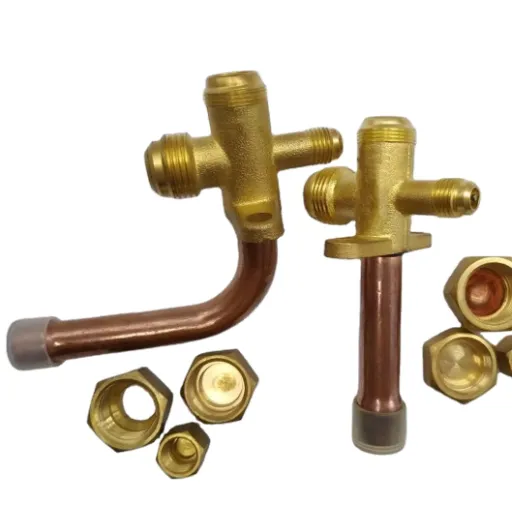 Read More

Contact Us
Recommended Products
-
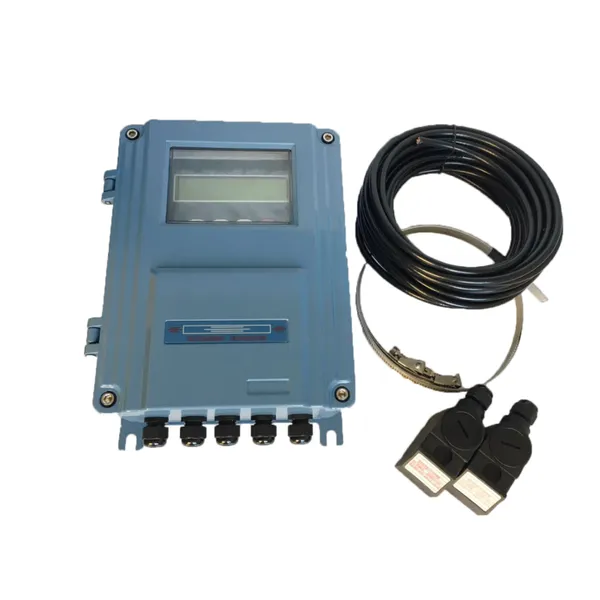
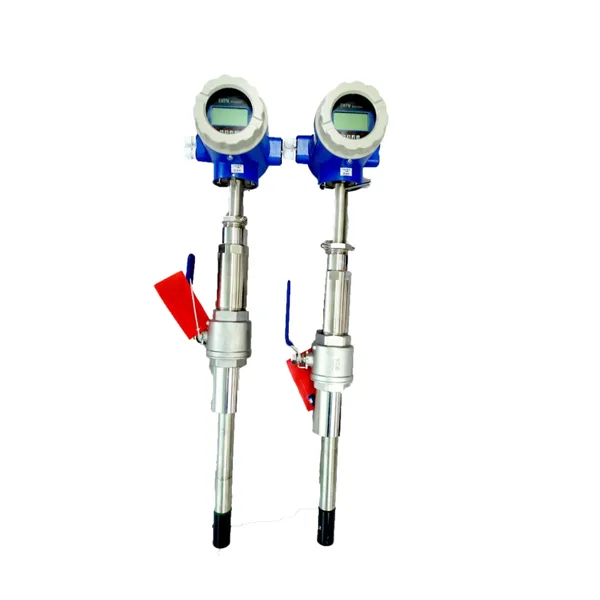
 DN1000 Insertion Type Ultrasonic Flow Meter for Clean Water Pure WaterNegotiableMOQ: 100 Sets
 -
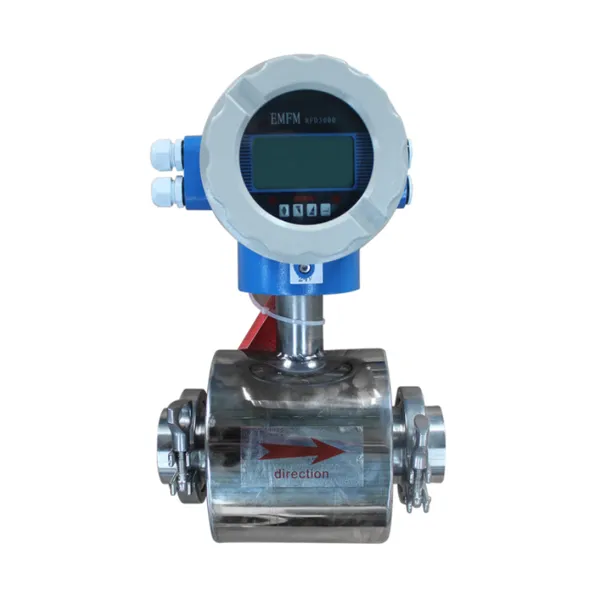
Advanced Electromagnetic Flowmeter With Integrated Liquid Measurement TechnologyNegotiableMOQ: 10 Units
-
High Precision Electromagnetic Flow Meter for Southeast Asia Export - Easy Installation & Reliable After-SaleNegotiableMOQ: 10 Units
-
Advanced Digital Vortex Flow Meter for Accurate Water and Liquid MeasurementNegotiableMOQ: 10 Pieces
-
DN50 304 Stainless Steel Turbine Flowmeter for Diesel Oil MeasurementNegotiableMOQ: 10 Units
-
Low-Temperature Turbine Flowmeter for Liquid Nitrogen Applications in Cryogenic SystemsNegotiableMOQ: 10 Units
-
Industrial UV Disinfection Machine for Food & Beverage Industry - UVTunnelTM Tech, 1-40℃ Working TempNegotiableMOQ: 1 Set
-
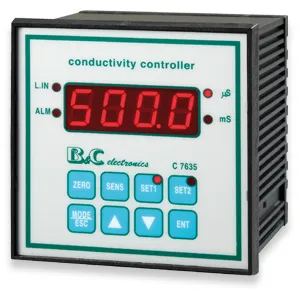
C 7635 High-purity Water Conductivity Transmitter With Automatic Temperature Compensation 0-100°CNegotiableMOQ: 1 Set
-
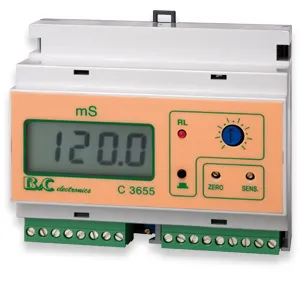
C 3655 Conductivity Meter Output Conductivity Transmitter With IP65 Waterproof HousingNegotiableMOQ: 1 Set
-
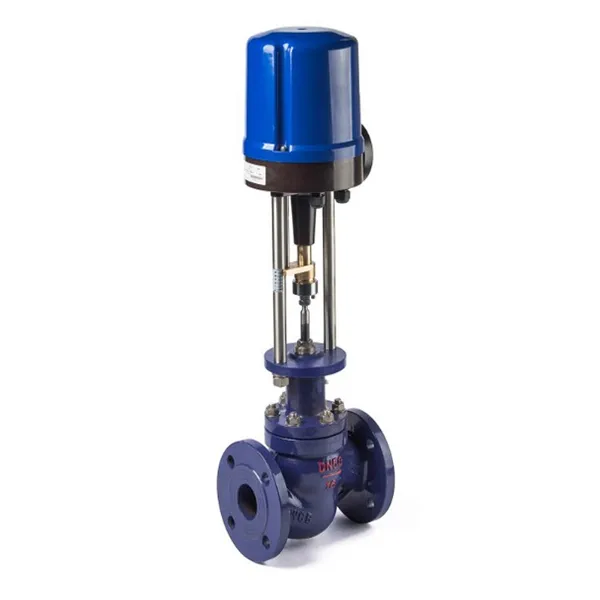
High Performance Electric Regulating Valve for Environmental Protection Water Treatment SystemsNegotiableMOQ: 1 Piece
-
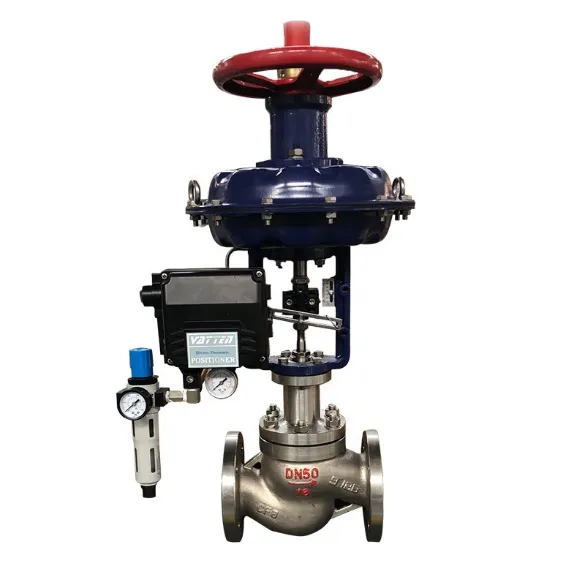
High Quality Pneumatic Control Valve for Chemical Pharmaceutical Industry Chinese Strong Factory With Spot StockNegotiableMOQ: 1 Piece
-
Pneumatic or Electric Actuator Compatible Full Fluorine-Lined Butterfly Valve With On/Off and Smart Regulating OptionsNegotiableMOQ: 1 Set
-
Powder Conveying Specialized Pneumatic Y-Type Ball Valve, Full Bore Design With No Dead Space for Clean MediaNegotiableMOQ: 1 Set
-
Manual, Pneumatic, or Electric Flanged Ball Valve With ISO5211 High Platform, Easy 90-Degree Operation for Fluid ControlNegotiableMOQ: 1 Set
-
Zero Leakage Full Fluorine-Lined Butterfly Valve Featuring Superior Corrosion Resistance and Long Service LifeNegotiableMOQ: 1 Set
-
Bottom Discharge Valve VTF-88-3 Series, DN25-DN300, Stainless Steel 316L/Carbon Steel, PN10/PN16 Class 150, Manual or Pneumatic ActuationNegotiableMOQ: 1 Set
-
Cost-Effective Knife Gate Valve With Rigid/Elastic Gate Options - Ensures Tight Shutoff and High Performance in Diverse Industrial SettingsNegotiableMOQ: 1 Set
-
FLS PH/ORP 200 Epoxy Resin Body Glass Bulb Electrode (Single-Junction/Double-Junction Versions)NegotiableMOQ: 100 Pieces
-
FLS F3.20 Flow Sensor Optimized for HVAC Systems, Cooling Units, and Boiler Feed Water, Featuring Low Maintenance and High Precision AccuracyNegotiableMOQ: 100 Pieces
-
FLS F3.80 Oval Gear Flow Sensor – High Precision for High-Viscosity Liquids (10-150L/h, IP65)NegotiableMOQ: 100 Pieces