
 Business License

Exploring Control Valve Innovations for Smarter Process Automation Solutions
Industrial processes rely on precision, efficiency, and safety. At the heart of these complex systems are control valves, the essential components that regulate the flow of fluids and gases. As industries move toward smarter process automation, the technology behind these valves is advancing rapidly. Understanding these innovations is key for any business looking to optimize operations and maintain a competitive edge.
This guide explores the latest advancements in control valve technology. We will cover the fundamental types of valves, their core components like actuators and positioners, and the smart technologies that are revolutionizing flow control. By understanding these elements, you can make more informed decisions when selecting and integrating control valves into your systems.
Understanding Control Valve Types and Their Applications
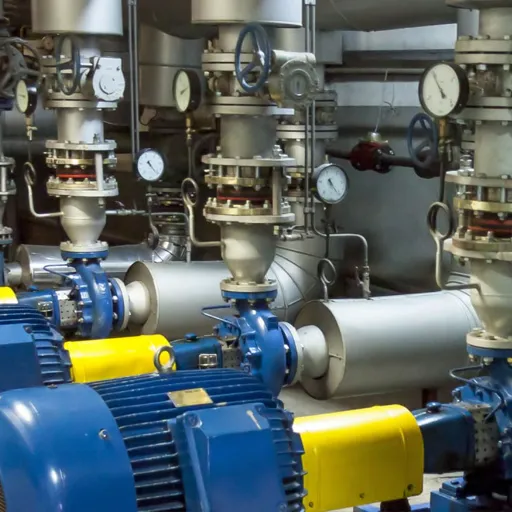
Overview of Control Valve Types
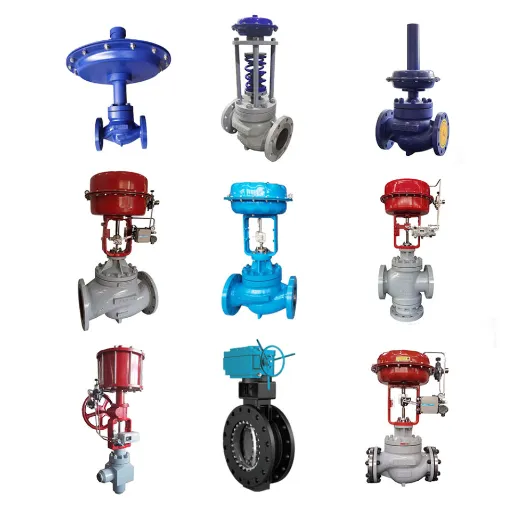
The two primary categories of control valves are rotary-motion and linear-motion.
Rotary-motion valves, such as ball, butterfly, and plug valves, operate with a quarter-turn or partial rotation. They are generally compact, cost-effective, and offer high flow capacity, making them suitable for on/off applications or simple throttling.
Linear-motion valves, including globe, gate, and diaphragm valves, use a sliding stem to move a closure element into or out of a seating surface. These valves provide more precise control over flow rates and are often preferred for complex throttling applications where accuracy is paramount.
Within these categories, specific designs offer unique advantages:
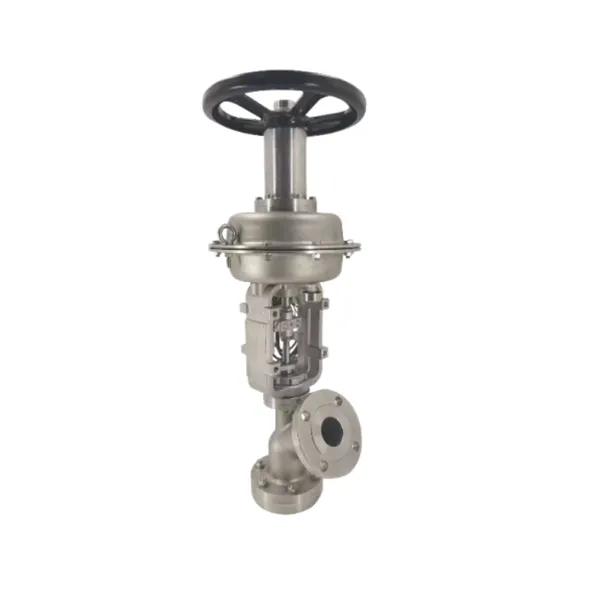
Globe Valves: Known for their excellent throttling capabilities and tight shut-off, globe valves are ideal for precise flow regulation. Their internal Z-shaped or S-shaped passageway, however, creates significant pressure drop.
Ball Valves: These rotary valves use a rotating ball with a bore to control flow. They provide quick, reliable shut-off and have low flow resistance, but their throttling performance is limited compared to globe valves.
Diaphragm Valves: Using a flexible diaphragm to control flow, these valves excel in handling corrosive, erosive, and sanitary fluids because the operating mechanism is isolated from the media.
Butterfly Valves vs. Gate Valves
While both are common, butterfly and gate valves serve different purposes.
Butterfly Valves:
Operation: A disc mounted on a rotating shaft opens and closes with a quarter-turn.
Advantages: Lightweight, compact, and less expensive than gate valves. They offer fast actuation and are suitable for large-volume applications.
Applications: Commonly used in water treatment, chemical services, and HVAC systems for both on/off and throttling control, though their precision in throttling is moderate.
Gate Valves:
Operation: A flat or wedge-shaped gate moves linearly to open or close the flow path.
Advantages: Provide straight-through, unobstructed flow when fully open, resulting in minimal pressure drop. They are ideal for applications requiring full flow or complete shut-off.
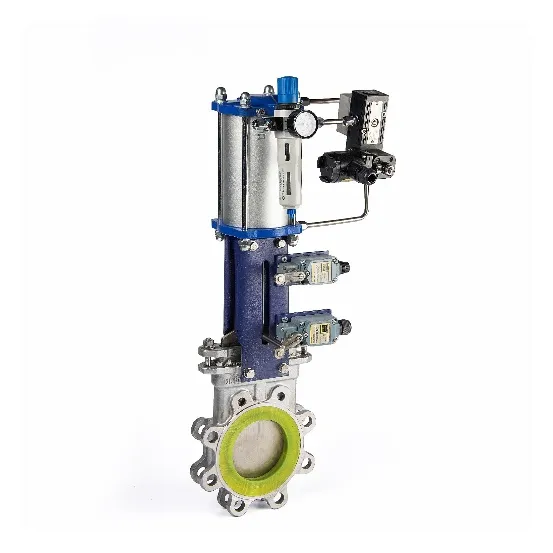
Applications: Best suited for on/off service in pipelines for liquids and gases, such as in the oil and gas industry and large-scale water distribution. They are not recommended for throttling, as partial opening can cause vibration and damage to the gate and seat.
Common Applications of Control Valve Products
Control valves are indispensable across numerous industries, ensuring processes run smoothly and safely.
Oil and Gas: In upstream, midstream, and downstream operations, control valves manage the flow of crude oil, natural gas, and refined products. They are critical for pressure regulation in pipelines, separation processes in refineries, and emergency shutdown systems.
Power Generation: Power plants use control valves to regulate the flow of steam to turbines, manage feedwater to boilers, and control cooling water systems. Precision is vital for maximizing efficiency and ensuring plant safety.
Water and Wastewater Treatment: These facilities rely on control valves to manage flow rates, control chemical dosing, and regulate pressure in distribution networks. Butterfly and diaphragm valves are common due to their ability to handle large volumes and corrosive substances.
Chemical Processing: The chemical industry requires valves that can handle a wide range of corrosive, toxic, and high-temperature fluids. Globe, ball, and diaphragm valves made from specialized alloys and materials are used to ensure process integrity and safety.
Food and Beverage: Sanitary control valves, typically made of stainless steel, are essential for maintaining hygiene and preventing contamination. They are used to control the flow of ingredients, manage clean-in-place (CIP) systems, and regulate pasteurization temperatures.
Key Components of Control Valves: Actuators and Positioners
The Role of Valve Actuators in Automation
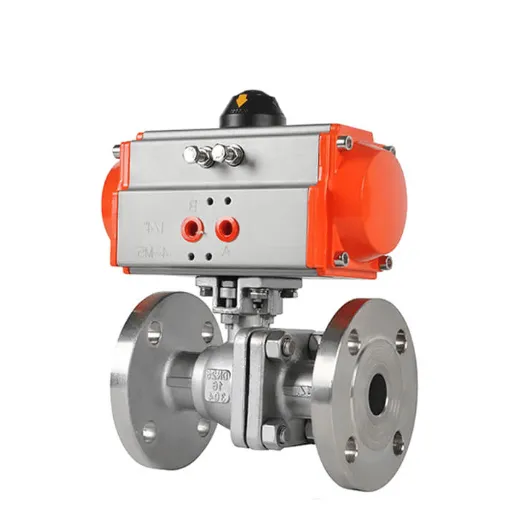
A valve actuator is the powerhouse of a control valve. It is the device that physically moves the valve's closure element (like a ball, gate, or plug) in response to a control signal. By automating this movement, actuators eliminate the need for manual intervention, allowing for remote operation and integration into larger control systems like a Distributed Control System (DCS) or a Programmable Logic Controller (PLC).
Importance of Valve Positioners in Control Systems
While an actuator provides the force to move the valve, a positioner ensures it moves to the correct position. A valve positioner acts as a sophisticated controller, comparing the command signal from the main control system to the actual position of the valve stem. If there is a discrepancy, the positioner adjusts the pressure to the actuator until the valve reaches the desired setpoint.
Positioners are crucial for several reasons:
Improved Accuracy: They overcome friction, pressure imbalances, and other external forces that could prevent the valve from reaching its target position.
Faster Response: They can increase the speed of the valve's response to control signals.
Diagnostic Capabilities: Modern smart positioners can collect data on valve performance, such as cycle counts, travel history, and friction levels. This data is invaluable for predictive maintenance.
Types of Control Valve Actuators
Actuators are classified based on their power source, each offering distinct characteristics.
Pneumatic Actuators: These are the most common type in process industries. They use compressed air to generate motion.
Diaphragm Actuators: Use air pressure acting on a flexible diaphragm to produce linear motion. They are simple, reliable, and cost-effective.
Piston Actuators: Use a piston inside a cylinder to create higher thrust and faster stroking speeds than diaphragm actuators, making them suitable for larger valves or more demanding applications.
Electric Actuators: These use an electric motor to drive a gear train, converting rotational motion into linear or rotary movement.
Advantages: Offer precise positioning, are energy-efficient (consuming power only when moving), and do not require an air supply. They are ideal for remote locations.
Disadvantages: Typically have slower stroking speeds than pneumatic actuators and may have more complex failure modes.
Hydraulic Actuators: Hydraulic actuators use pressurized fluid (usually oil) to generate very high levels of force. They can provide extremely fast and stiff control.
Applications: Best for applications requiring high thrust and rapid response, such as large dampers, turbine controls, and emergency shutdown systems.
Innovations in Automatic Control Valves
Smart Technologies in Flow Control
The "smart" in smart control valves comes from microprocessor-based digital positioners and advanced sensor technologies. These components bring a host of new capabilities:
Digital Communication: Smart positioners support digital communication protocols like HART, FOUNDATION Fieldbus, and Profibus. This allows them to transmit a wealth of diagnostic data back to the central control system, far beyond the simple position feedback of traditional devices.
Onboard Diagnostics: They continuously monitor valve performance, tracking metrics like friction, dead time, and cycle counts. Algorithms analyze this data to detect early signs of wear and tear, such as a sticky valve stem or a leaking seat, before they lead to process upsets or failure.
Auto-Calibration: Smart positioners can automatically configure and calibrate themselves to the valve, significantly reducing commissioning time and ensuring optimal performance from day one.
Wireless Technology: The emergence of wireless standards like WirelessHART allows for the deployment of control valves in remote or difficult-to-access locations without the cost and complexity of running signal wires.
Benefits of Automatic Control in Industrial Applications
The shift from manual or basic automatic control to intelligent, data-driven automation delivers substantial benefits:
Enhanced Process Efficiency: Smart valves provide tighter and more responsive control, reducing process variability. This allows plants to operate closer to their optimal setpoints, increasing yield and product quality while minimizing energy and raw material consumption.
Predictive Maintenance: By providing early warnings of potential failures, smart valve diagnostics enable a shift from reactive or preventive maintenance to a predictive strategy. Technicians can address issues during scheduled downtime, avoiding costly unplanned shutdowns.
Improved Safety: The continuous monitoring and diagnostic capabilities help ensure that critical safety valves, like those in emergency shutdown systems, are in good working order. Digital communication also allows for remote testing and validation without disrupting the process.
Reduced Total Cost of Ownership: While smart valves may have a higher initial purchase price, they deliver long-term savings through reduced maintenance costs, lower energy consumption, and increased process uptime.
Future Trends in Control Valve Innovations
The field of control valve technology continues to advance, with several key trends shaping its future:
Integration with IIoT: Control valves will become even more deeply integrated into the Industrial Internet of Things (IIoT). They will stream data to cloud-based analytics platforms, where machine learning algorithms can uncover deeper insights into process and asset health.
Advanced Materials and Manufacturing: The use of 3D printing (additive manufacturing) will allow for the creation of complex valve body designs optimized for specific flow characteristics, as well as the rapid production of custom parts from exotic alloys.
Greater Autonomy: Future control valves may feature even more onboard intelligence, allowing them to make localized control decisions autonomously based on process conditions, reducing the load on the central control system.
Energy Harvesting: Research is underway on self-powered valves that can harvest energy from process vibrations or temperature gradients, eliminating the need for external power sources, particularly in remote applications.
Choosing the Right Control Valve for Your System
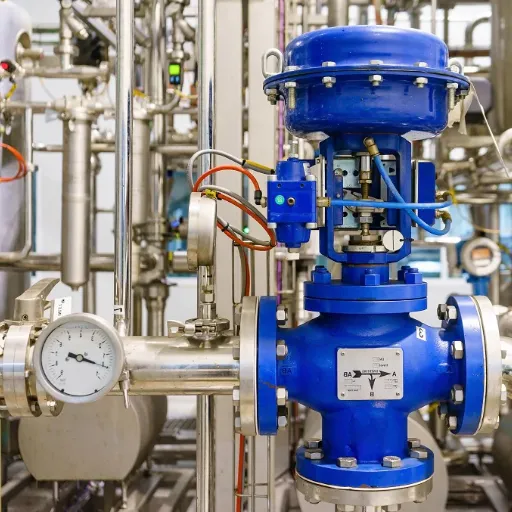
Factors to Consider When Selecting Control Valve Types
The selection process involves evaluating several key process parameters:
Fluid Properties: What is the nature of the fluid being controlled? Consider its state (liquid, gas, steam), temperature, pressure, viscosity, and corrosiveness. This will dictate the required materials of construction and valve design.
Flow Characteristics: Determine the required flow range (minimum, normal, maximum). This information is used to calculate the flow coefficient (Cv), which is essential for proper valve sizing. An oversized valve will provide poor control, while an undersized one will restrict flow.
Pressure Drop: How much pressure drop can the system tolerate across the valve? The valve itself is a source of pressure loss, and this must be accounted for in the overall system design.
Shut-off Requirements: Does the application require tight shut-off to prevent leakage when the valve is closed? Different valve types offer varying levels of shut-off capability, classified by standards like ANSI/FCI 70-2.
Control Action: Is the primary function on/off control or throttling? This is a fundamental factor in choosing between rotary and linear valves and specific designs like gate versus globe.
Evaluating Control Valve Body Designs
The physical design of the valve body and its internal trim (the parts that come into contact with the fluid) are crucial.
End Connections: Valves can be connected to piping via flanged, threaded, or welded ends. Flanged connections are common in process industries for ease of installation and removal, while welded connections offer the highest integrity for high-pressure, high-temperature services.
Body Material: Common materials include carbon steel, stainless steel, and various alloys (like Hastelloy or Monel) for corrosive services. The material must be compatible with the process fluid and operating temperatures.
Trim Design: For throttling valves, the shape of the plug or disc (the trim) determines the valve's flow characteristic—how the flow rate changes as the valve opens. Common characteristics include linear, equal percentage, and quick opening. An equal percentage characteristic is often preferred for process control as it provides fine control at low flow rates and handles a wide range of conditions.
Integrating Control Valves into Existing Systems
Proper integration ensures the valve works harmoniously with the rest of the automation architecture.
Actuator and Positioner Selection: Match the actuator type (pneumatic, electric, hydraulic) and size to the valve's torque or thrust requirements and the available power sources. Choose a positioner that is compatible with your control system's communication protocol (e.g., 4-20mA with HART, FOUNDATION Fieldbus).
Installation Best Practices: Install the valve in the correct orientation and ensure sufficient straight pipe runs upstream and downstream to avoid flow disturbances that could affect measurement and control accuracy.
Commissioning and Calibration: Once installed, the valve and positioner must be properly calibrated. This involves setting the zero and span of the valve's travel and running diagnostic routines to confirm proper operation.
Recently Posted
-
Understanding the Functions of Suction Valve and Discharge Valve in Pump Systems
December 18, 2025Industrial pump systems rely on precise mechanical coordination to transport fluids effectively. At the heart of this process are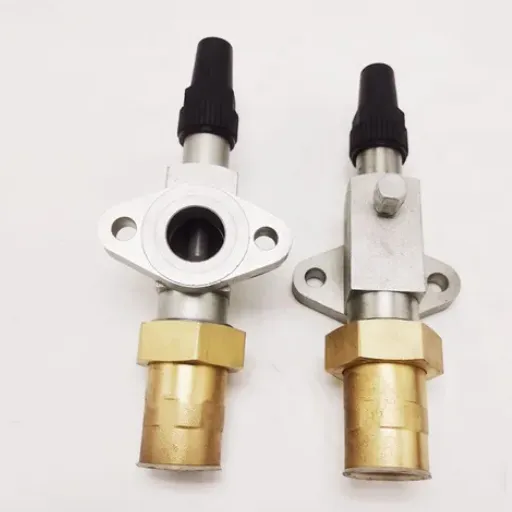 Read More
 -
Exploring Advanced Technologies in Air Compressor Discharge Valve Manufacturing
December 17, 2025The efficiency of any pneumatic system relies heavily on the performance of its smallest components. Among these, the air compress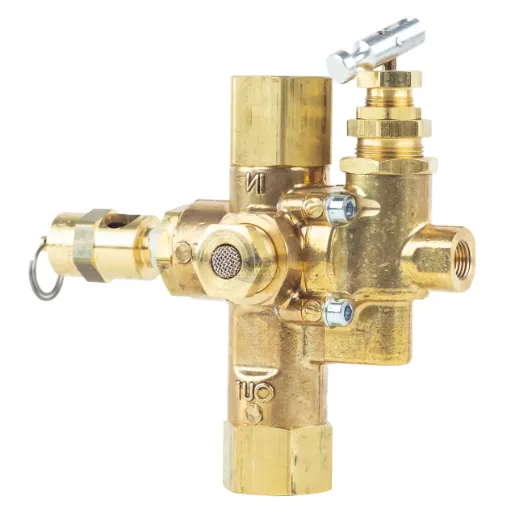 Read More
 -
Exploring Different Discharge Valve Types for Efficient Fluid Flow Management
December 16, 2025Industrial systems rely heavily on precision components to maintain safety, efficiency, and operational integrity. Among these com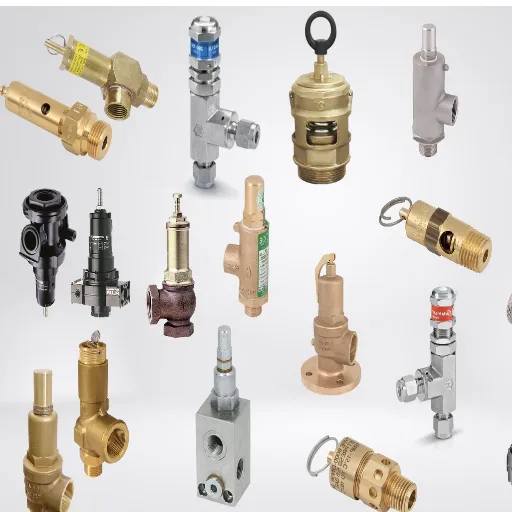 Read More
 -
How the Discharge Valve AC Affects Performance and Longevity of Cooling Systems
December 15, 2025The efficiency of any air conditioning system relies heavily on the precise coordination of its internal components. While the com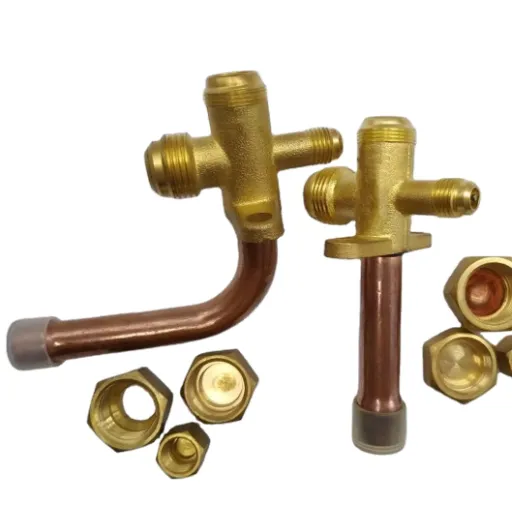 Read More

Contact Us
Recommended Products
-
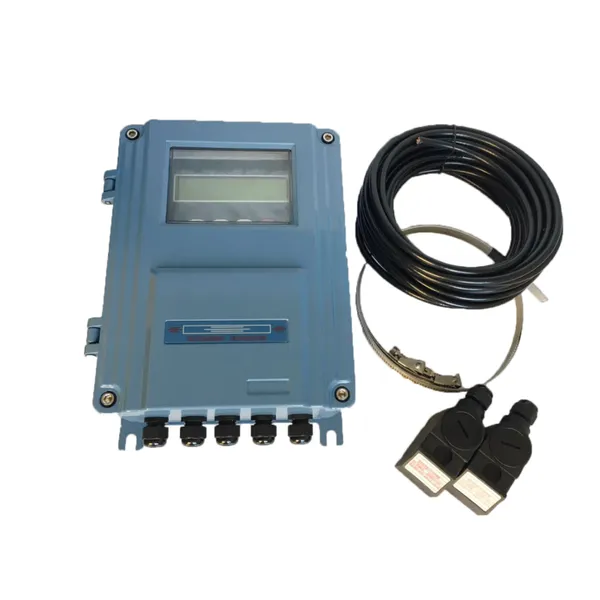
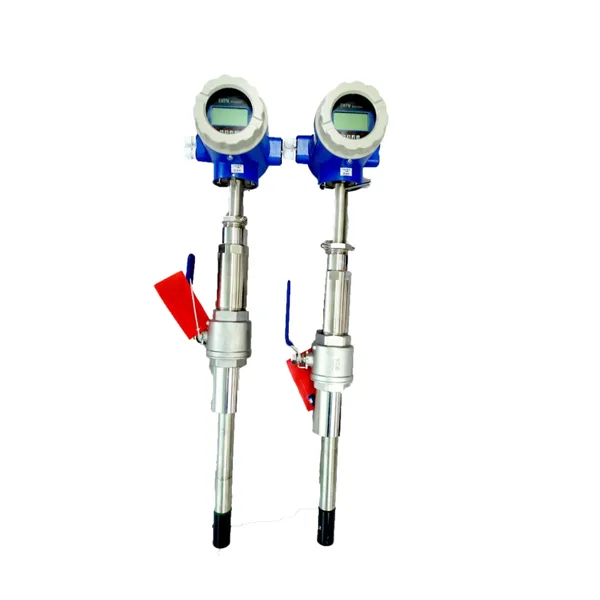
 DN1000 Insertion Type Ultrasonic Flow Meter for Clean Water Pure WaterNegotiableMOQ: 100 Sets
 -
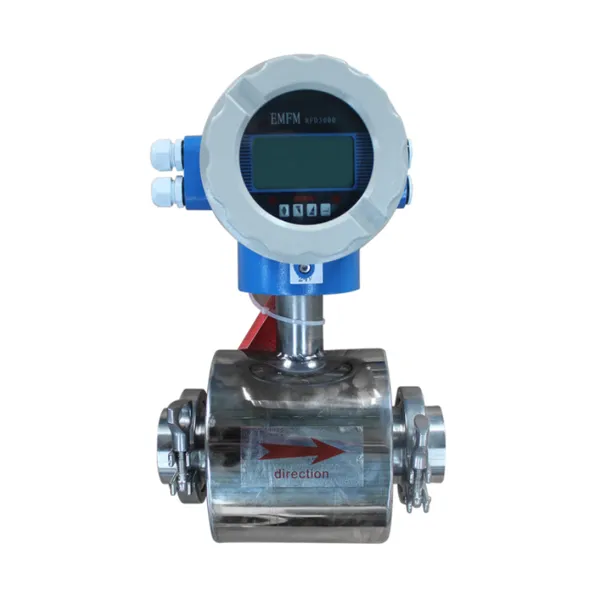
Advanced Electromagnetic Flowmeter With Integrated Liquid Measurement TechnologyNegotiableMOQ: 10 Units
-
High Precision Electromagnetic Flow Meter for Southeast Asia Export - Easy Installation & Reliable After-SaleNegotiableMOQ: 10 Units
-
Advanced Digital Vortex Flow Meter for Accurate Water and Liquid MeasurementNegotiableMOQ: 10 Pieces
-
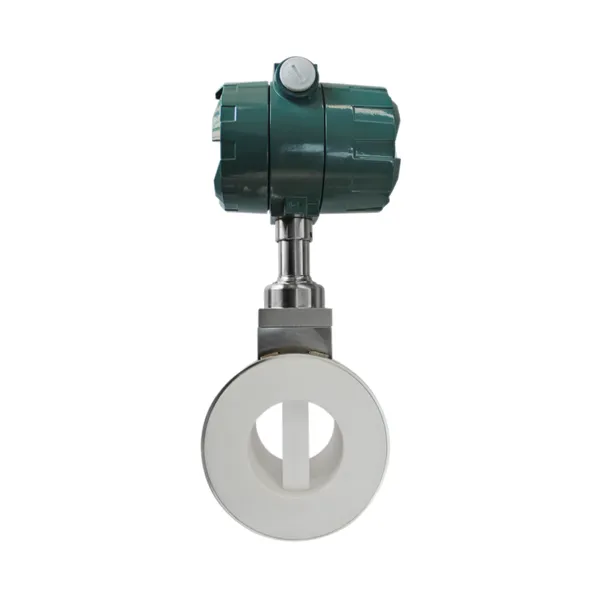
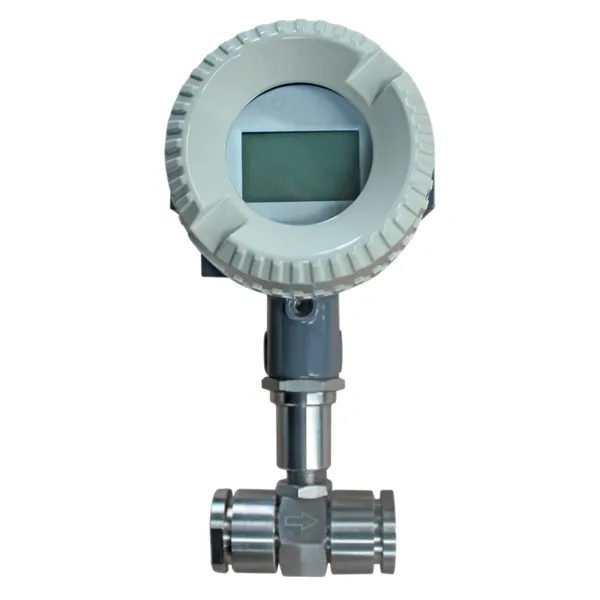
DN50 304 Stainless Steel Turbine Flowmeter for Diesel Oil MeasurementNegotiableMOQ: 10 Units
-
Low-Temperature Turbine Flowmeter for Liquid Nitrogen Applications in Cryogenic SystemsNegotiableMOQ: 10 Units
-
Industrial UV Disinfection Machine for Food & Beverage Industry - UVTunnelTM Tech, 1-40℃ Working TempNegotiableMOQ: 1 Set
-
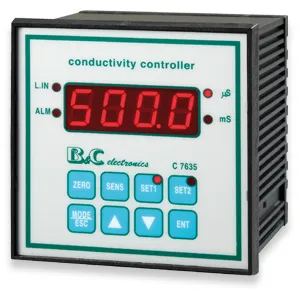
C 7635 High-purity Water Conductivity Transmitter With Automatic Temperature Compensation 0-100°CNegotiableMOQ: 1 Set
-
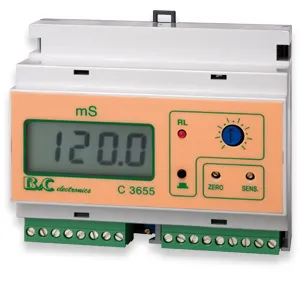
C 3655 Conductivity Meter Output Conductivity Transmitter With IP65 Waterproof HousingNegotiableMOQ: 1 Set
-
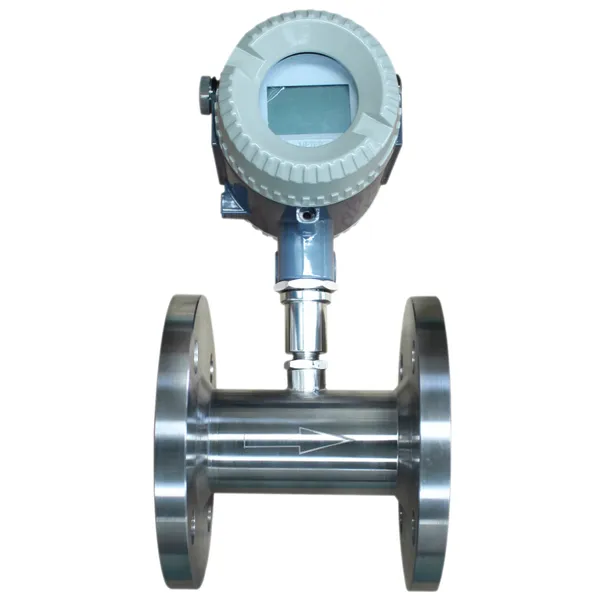
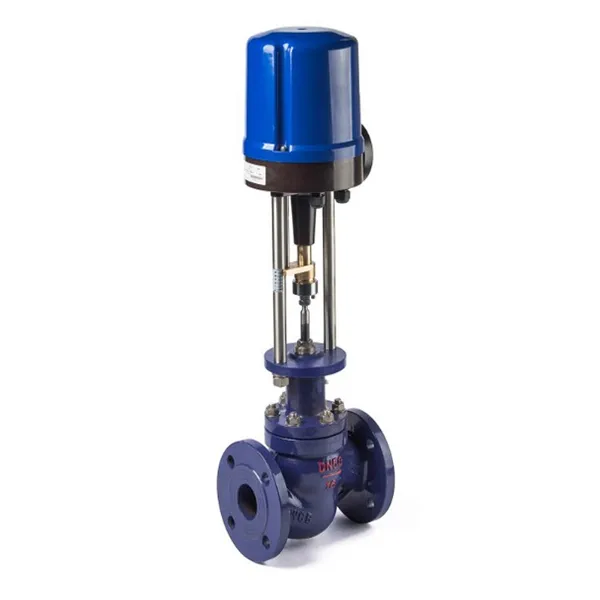
High Performance Electric Regulating Valve for Environmental Protection Water Treatment SystemsNegotiableMOQ: 1 Piece
-
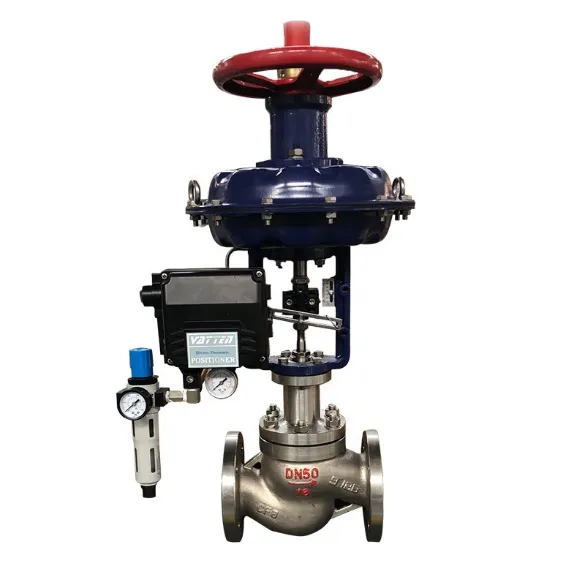
High Quality Pneumatic Control Valve for Chemical Pharmaceutical Industry Chinese Strong Factory With Spot StockNegotiableMOQ: 1 Piece
-
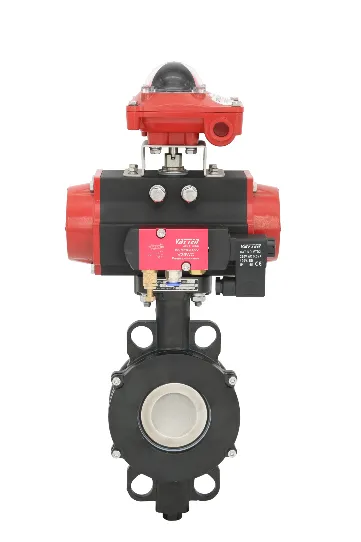
Pneumatic or Electric Actuator Compatible Full Fluorine-Lined Butterfly Valve With On/Off and Smart Regulating OptionsNegotiableMOQ: 1 Set
-
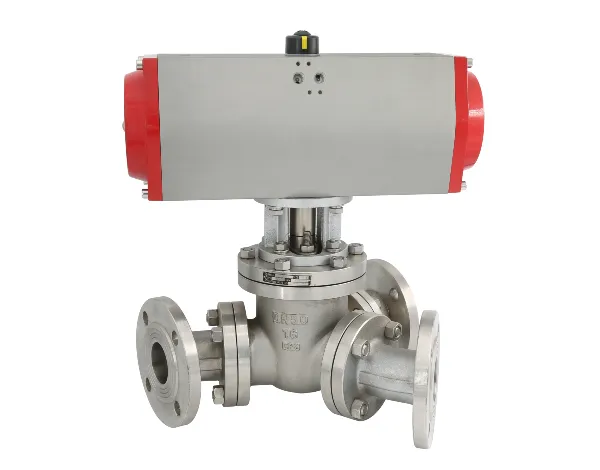
Powder Conveying Specialized Pneumatic Y-Type Ball Valve, Full Bore Design With No Dead Space for Clean MediaNegotiableMOQ: 1 Set
-
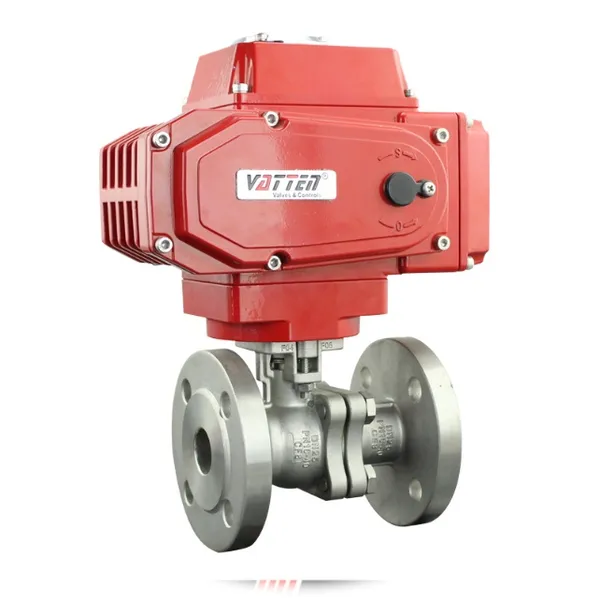
Manual, Pneumatic, or Electric Flanged Ball Valve With ISO5211 High Platform, Easy 90-Degree Operation for Fluid ControlNegotiableMOQ: 1 Set
-
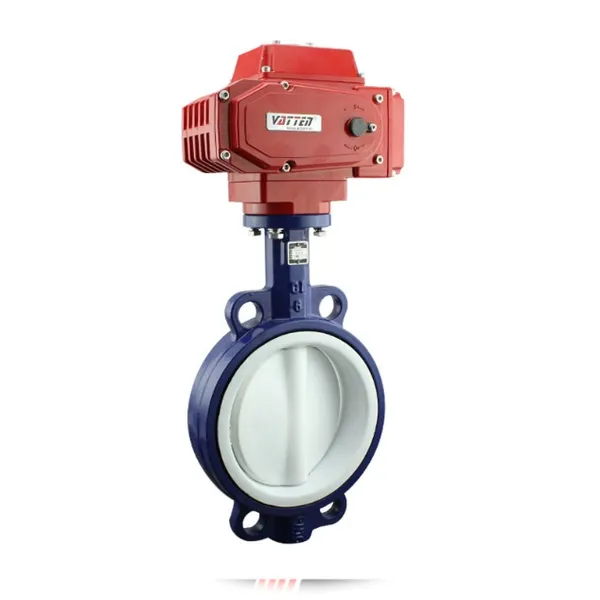
Zero Leakage Full Fluorine-Lined Butterfly Valve Featuring Superior Corrosion Resistance and Long Service LifeNegotiableMOQ: 1 Set
-
Bottom Discharge Valve VTF-88-3 Series, DN25-DN300, Stainless Steel 316L/Carbon Steel, PN10/PN16 Class 150, Manual or Pneumatic ActuationNegotiableMOQ: 1 Set
-
Cost-Effective Knife Gate Valve With Rigid/Elastic Gate Options - Ensures Tight Shutoff and High Performance in Diverse Industrial SettingsNegotiableMOQ: 1 Set
-
FLS PH/ORP 200 Epoxy Resin Body Glass Bulb Electrode (Single-Junction/Double-Junction Versions)NegotiableMOQ: 100 Pieces
-
FLS F3.20 Flow Sensor Optimized for HVAC Systems, Cooling Units, and Boiler Feed Water, Featuring Low Maintenance and High Precision AccuracyNegotiableMOQ: 100 Pieces
-
FLS F3.80 Oval Gear Flow Sensor – High Precision for High-Viscosity Liquids (10-150L/h, IP65)NegotiableMOQ: 100 Pieces