
 Business License

Exploring Different Discharge Valve Types for Efficient Fluid Flow Management
Industrial systems rely heavily on precision components to maintain safety, efficiency, and operational integrity. Among these components, valves are fundamental, acting as the control points for fluid and gas movement throughout complex piping networks. While there are countless variations of valves designed for specific tasks—ranging from flow regulation to pressure relief—discharge valves occupy a critical role in fluid flow management.
A discharge valve is typically located at the outlet of a pump or a compressor. Its primary function is to control the release of fluid or gas from a system, ensuring that the medium exits at the correct pressure and flow rate while preventing backflow that could damage equipment. Selecting the correct discharge valve is not merely a matter of connecting pipe A to pipe B; it requires a deep understanding of fluid dynamics, material science, and mechanical engineering principles.
This comprehensive guide explores the intricacies of discharge valves, categorizing the most common types used in industrial applications and examining the factors that dictate their selection. By understanding the distinct features and benefits of quarter-turn, multi-turn, and check valves, engineers and plant managers can optimize their systems for peak performance and longevity.
Introduction to Valves and Their Importance
What is a discharge valve?
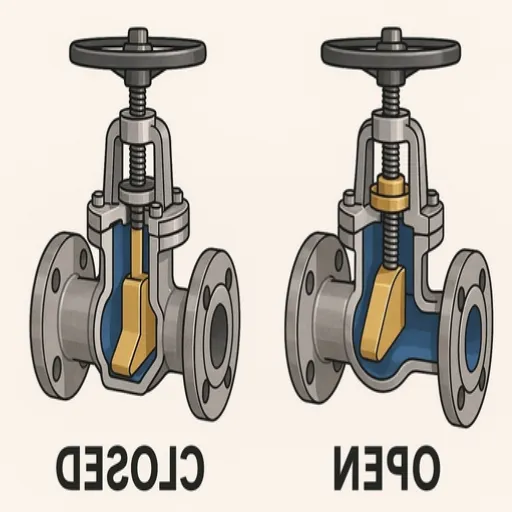
A discharge valve is a mechanical device installed at the discharge side of a pump, compressor, or storage vessel. Its purpose is to regulate the flow of fluid or gas leaving the equipment. These valves serve multiple critical functions: they isolate the equipment for maintenance, throttle flow to control system pressure, and prevent reverse flow (backflow) when the pump or compressor is turned off.
Understanding the functionality of valves
At a fundamental level, all valves operate by obstructing a flow path. A closure element—such as a ball, disc, gate, or plug—moves within the valve body to open, partially obstruct, or completely close the passage. In the context of discharge valves, this functionality is tailored to handle high-pressure differentials and often turbulent flow conditions associated with pump outlets.
The effectiveness of a discharge valve is measured by its ability to provide a tight seal when closed and minimal resistance when open. Leakage in a discharge valve can lead to significant energy losses and safety hazards, particularly when dealing with hazardous or high-temperature fluids. Furthermore, the valve must be robust enough to withstand the mechanical stress of frequent cycling and the erosive effects of high-velocity fluid.
Applications of discharge valves in industries
Discharge valves are ubiquitous across the industrial landscape. Their specific design and material composition vary based on the application:
Water and Wastewater Treatment: Centrifugal pumps use discharge valves to control the flow of water through treatment stages. Check valves are crucial here to prevent water hammer—a pressure surge caused by rapid fluid stoppage—from damaging the pumps.
Oil and Gas: In upstream and midstream operations, discharge valves manage the flow of crude oil and natural gas from extraction points to processing facilities. These valves must withstand extreme pressures and corrosive environments.
Chemical Processing: Chemical plants utilize discharge valves to dispense precise amounts of reactants and products. Materials like PTFE (Teflon) or Hastelloy are often employed to resist chemical attack.
Power Generation: Boiler feed pumps in power plants use robust discharge valves to supply high-pressure water to boilers. These valves operate under immense thermal and mechanical stress.
Common types of discharge valves
Quarter turn valves: Overview and applications
Quarter-turn valves are named for their operation: a 90-degree turn of the handle or actuator moves the closure element from fully open to fully closed. This quick-action capability makes them ideal for applications requiring rapid isolation or shutoff.
Ball Valves
Ball valves utilize a spherical closure element with a central bore. When the bore aligns with the pipeline, flow is unobstructed; when rotated 90 degrees, the solid side of the ball blocks the flow.
Pros: They offer a tight seal with low torque requirements and exhibit excellent durability. The straight-through flow path minimizes pressure drop.
Cons: Standard ball valves offer poor throttling characteristics. Using them for flow control can lead to erosion of the ball and seat.
Applications: Widely used as isolation discharge valves in water systems, gas lines, and chemical processing due to their reliability and ease of automation.
Butterfly Valves
Butterfly valves feature a disc mounted on a rotating shaft. When closed, the disc blocks the pipe bore; when open, the disc rotates to allow flow around it.
Pros: They are lightweight, compact, and cost-effective, especially in large pipe diameters. They provide moderate throttling capabilities.
Cons: The disc remains in the flow stream even when fully open, creating a pressure drop. They may not handle high-pressure differentials as effectively as ball valves.
Applications: Common in HVAC systems and large-scale water distribution where space and weight are constraints.
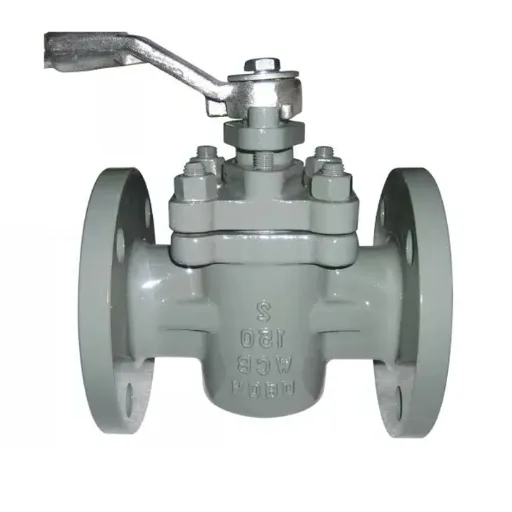
Plug Valves
Plug valves function similarly to ball valves but use a cylindrical or tapered plug instead of a ball.
Pros: They are extremely robust and simple in design, with minimal cavities where fluid can accumulate. This makes them suitable for slurries and fluids with suspended solids.
Cons: They often require higher operating torque than ball valves.
Applications: Frequently found in wastewater treatment and mining operations where debris-laden fluids are pumped.
Multi-turn valves: Features and benefits
Multi-turn valves, also known as linear motion valves, require multiple turns of the stem to move the closure element into position. This design allows for precise flow control (throttling) but results in slower operation compared to quarter-turn valves.
Gate Valves
Gate valves operate by lifting a rectangular or round gate out of the path of the fluid. They are designed primarily for on/off service rather than throttling.
Pros: When fully open, they offer virtually no resistance to flow (full bore). They are effective for high-pressure and high-temperature applications.
Cons: They are slow to open and close, which prevents water hammer but makes them unsuitable for emergency shutoff. They are prone to vibration if used for throttling.
Applications: Standard discharge isolation valves in oil refineries and power plants where flow restriction must be minimized.
Globe Valves
Globe valves have a spherical body shape with internal baffles. The closure element (plug) moves vertically against a stationary ring seat.
Pros: Excellent throttling capabilities. The flow path forces the fluid to change direction, which dissipates energy and allows for precise regulation of pressure and flow rate.
Cons: They create a significant pressure drop due to the internal flow path.
Applications: Ideal as discharge control valves where flow modulation is required, such as in cooling water systems or fuel oil systems.
Diaphragm Valves
These valves use a flexible diaphragm to seal against a weir or seat. The diaphragm isolates the operating mechanism from the fluid.
Pros: Excellent for handling corrosive or abrasive fluids as the mechanical parts are protected. They are leak-tight and suitable for high-purity applications.
Cons: Limited temperature and pressure ratings due to the diaphragm material.
Applications: Pharmaceutical and food processing industries where sterility and cleanliness are paramount.
Check valves: How they work
Unlike the manually or actuated valves mentioned above, check valves are automatic. They rely on the pressure of the fluid itself to operate. A check valve opens when forward pressure exceeds a specific limit (cracking pressure) and closes when flow reverses.
In a pump discharge setup, the check valve is essential. When the pump stops, gravity or system pressure will attempt to force fluid back into the pump, causing it to spin in reverse. This can cause catastrophic mechanical failure. A check valve prevents this by snapping shut immediately upon flow reversal.
Swing Check Valves: A disc swings on a hinge or trunnion to block reverse flow. Simple and low resistance.
Lift Check Valves: A disc or piston is lifted off its seat by higher pressure and returns to the seat by gravity or a spring when pressure drops. Better sealing but higher resistance.
Tilting Disc Check Valves: Designed to close quickly to minimize water hammer.
Factors influencing valve selection
Understanding valve size and pressure ratings
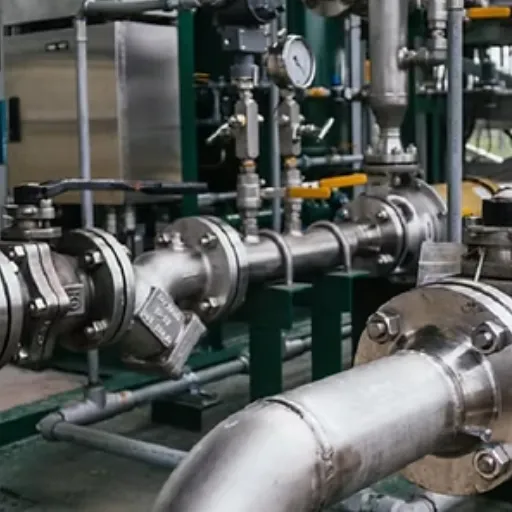
Sizing a valve correctly is paramount. A valve that is too small will create excessive pressure drop, forcing the pump to work harder and wasting energy. This is known as "choking" the flow. Conversely, a valve that is oversized provides poor control precision and is unnecessarily expensive.
Valve sizing is generally based on the flow coefficient (Cv), which represents the volume of water at 60°F that will flow through the valve per minute with a 1 psi pressure drop. Engineers must calculate the required Cv for the system and match it to manufacturer data.
Pressure ratings are equally critical. Valves are rated by pressure classes (e.g., ANSI 150, 300, 600). The valve body, seat, and seals must be capable of withstanding the maximum system pressure, including potential surges, without failure or leakage.
Evaluating different valve uses
The intended function of the valve dictates the choice.
Isolation: If the primary goal is to shut off flow for maintenance, a gate or ball valve is appropriate due to their low flow resistance.
Throttling: If the flow rate needs to be modulated to maintain a specific process variable, a globe valve or a specially designed butterfly valve is the superior choice.
Backflow Prevention: A check valve is non-negotiable in discharge lines to protect upstream equipment.
Comparing common valve types for specific applications
Consider a scenario involving a high-pressure slurry pump in a mining operation.
A gate valve might clog due to debris getting trapped in the seating area.
A standard ball valve seat might erode quickly from the abrasive slurry.
A knife gate valve or a plug valve would likely be the best choice. A knife gate can cut through the slurry to close, while a plug valve offers robust sealing surfaces that are protected from the flow path when open.
In contrast, for a hygienic application like a dairy pump discharge:
Globe and gate valves are unsuitable due to internal crevices where bacteria can grow.
Diaphragm valves or sanitary butterfly valves are preferred because they are easy to clean and lack dead spaces.
Recently Posted
-
Understanding the Functions of Suction Valve and Discharge Valve in Pump Systems
December 18, 2025Industrial pump systems rely on precise mechanical coordination to transport fluids effectively. At the heart of this process are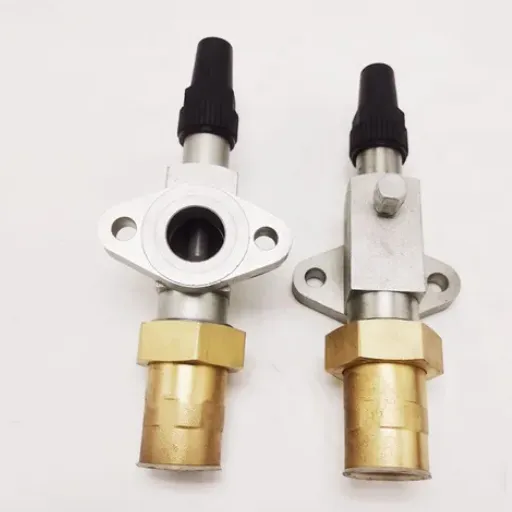 Read More
 -
Exploring Advanced Technologies in Air Compressor Discharge Valve Manufacturing
December 17, 2025The efficiency of any pneumatic system relies heavily on the performance of its smallest components. Among these, the air compress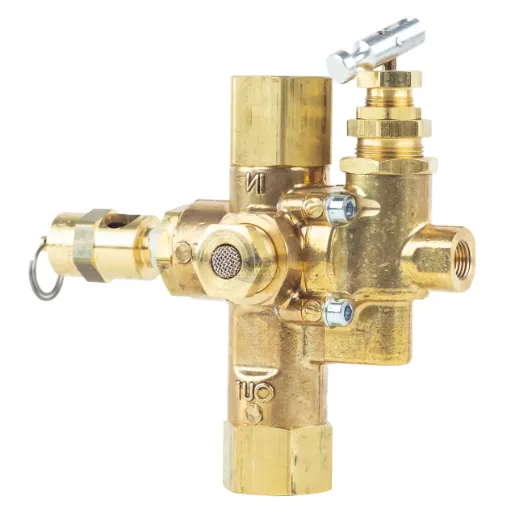 Read More
 -
How the Discharge Valve AC Affects Performance and Longevity of Cooling Systems
December 15, 2025The efficiency of any air conditioning system relies heavily on the precise coordination of its internal components. While the com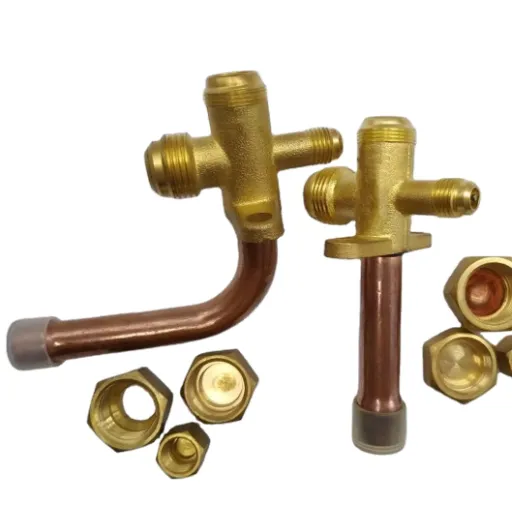 Read More
 -
Understanding the Discharge Valve Function in Industrial Pumping Systems and Applications
December 15, 2025In the complex ecosystem of industrial fluid dynamics, the stability and efficiency of a system often hinge on the performance of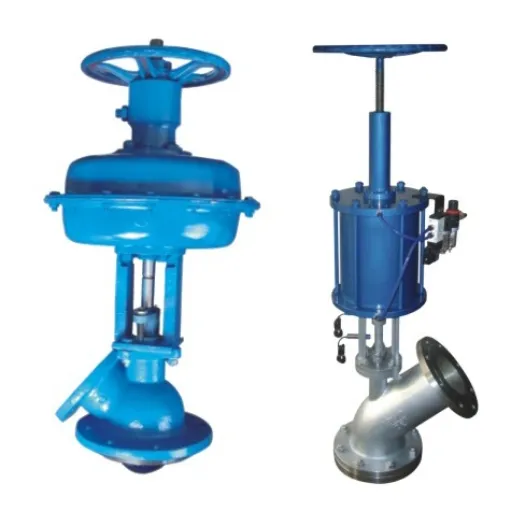 Read More

Contact Us
Recommended Products
-
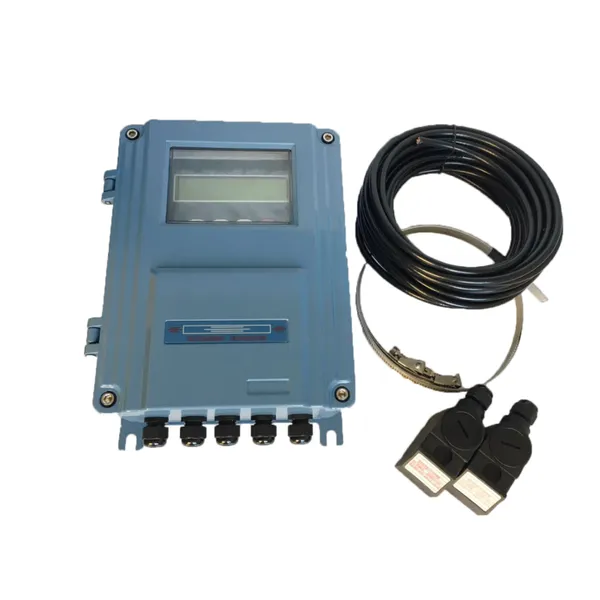
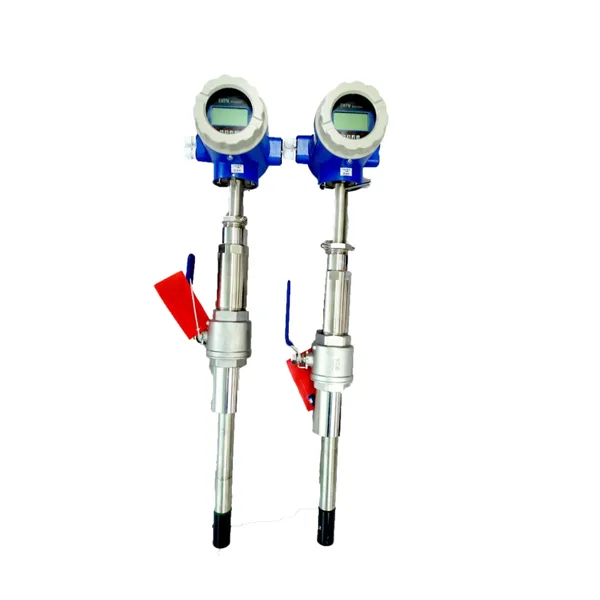
 DN1000 Insertion Type Ultrasonic Flow Meter for Clean Water Pure WaterNegotiableMOQ: 100 Sets
 -
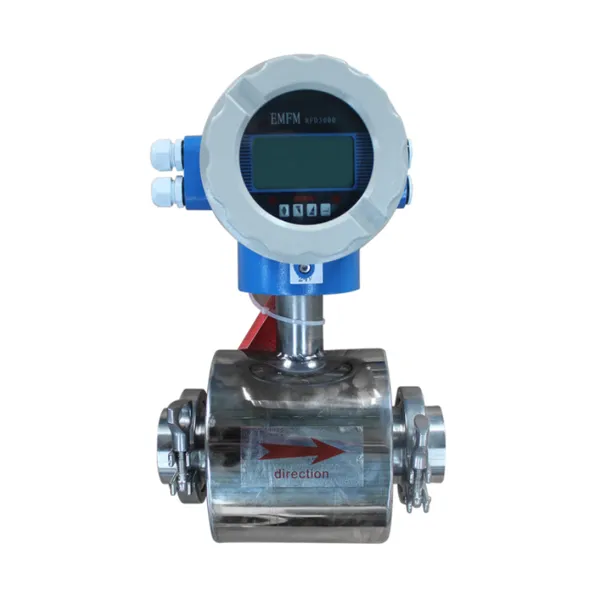
Advanced Electromagnetic Flowmeter With Integrated Liquid Measurement TechnologyNegotiableMOQ: 10 Units
-
High Precision Electromagnetic Flow Meter for Southeast Asia Export - Easy Installation & Reliable After-SaleNegotiableMOQ: 10 Units
-
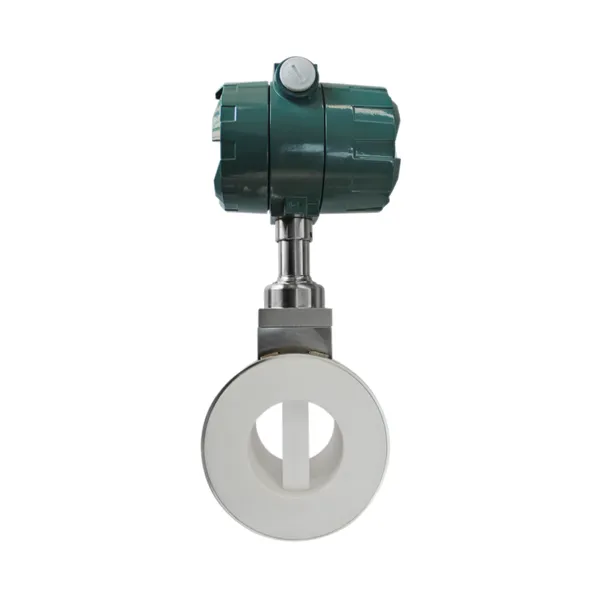
Advanced Digital Vortex Flow Meter for Accurate Water and Liquid MeasurementNegotiableMOQ: 10 Pieces
-
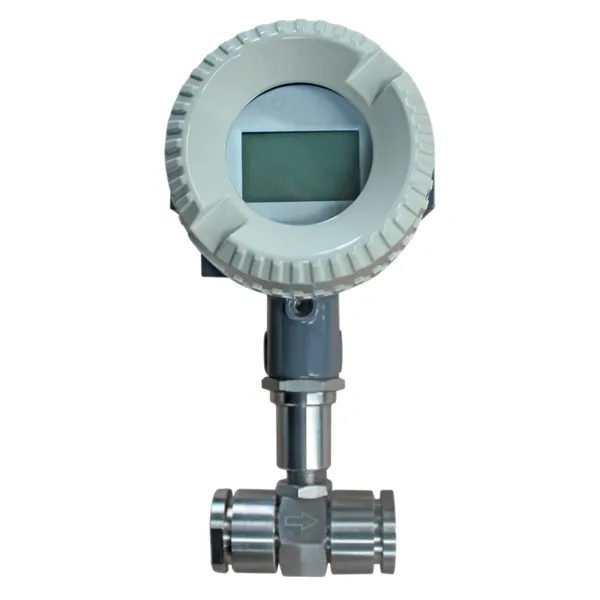
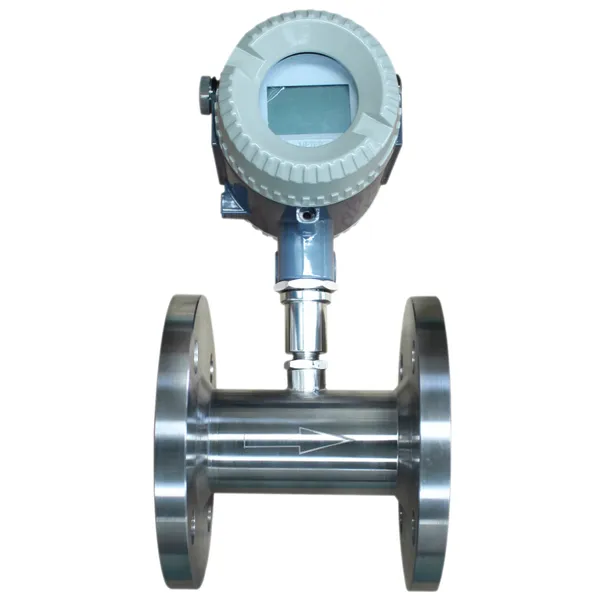
DN50 304 Stainless Steel Turbine Flowmeter for Diesel Oil MeasurementNegotiableMOQ: 10 Units
-
Low-Temperature Turbine Flowmeter for Liquid Nitrogen Applications in Cryogenic SystemsNegotiableMOQ: 10 Units
-
Industrial UV Disinfection Machine for Food & Beverage Industry - UVTunnelTM Tech, 1-40℃ Working TempNegotiableMOQ: 1 Set
-
C 7635 High-purity Water Conductivity Transmitter With Automatic Temperature Compensation 0-100°CNegotiableMOQ: 1 Set
-
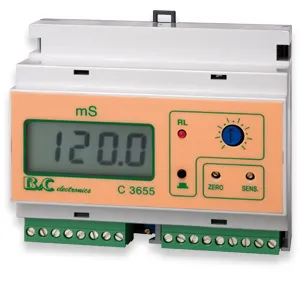
C 3655 Conductivity Meter Output Conductivity Transmitter With IP65 Waterproof HousingNegotiableMOQ: 1 Set
-
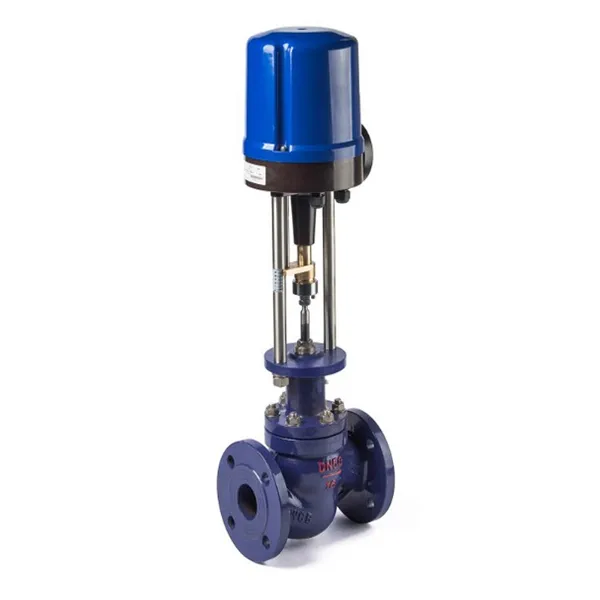
High Performance Electric Regulating Valve for Environmental Protection Water Treatment SystemsNegotiableMOQ: 1 Piece
-
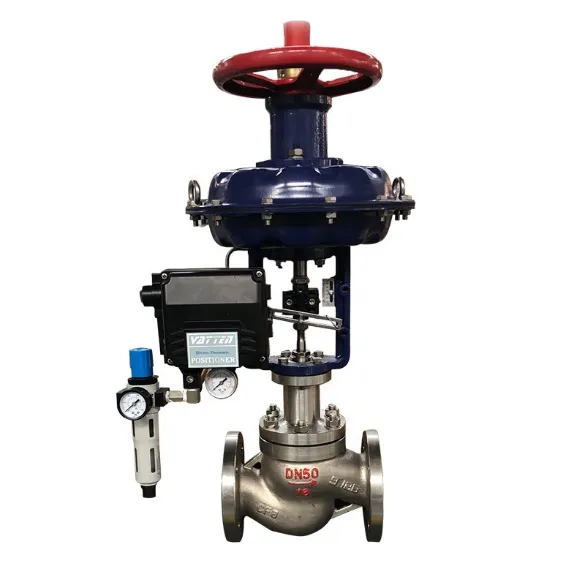
High Quality Pneumatic Control Valve for Chemical Pharmaceutical Industry Chinese Strong Factory With Spot StockNegotiableMOQ: 1 Piece
-
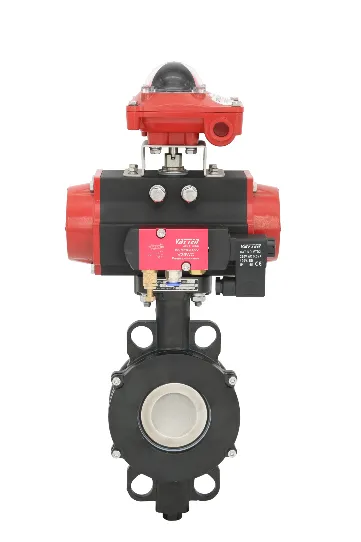
Pneumatic or Electric Actuator Compatible Full Fluorine-Lined Butterfly Valve With On/Off and Smart Regulating OptionsNegotiableMOQ: 1 Set
-
Powder Conveying Specialized Pneumatic Y-Type Ball Valve, Full Bore Design With No Dead Space for Clean MediaNegotiableMOQ: 1 Set
-
Manual, Pneumatic, or Electric Flanged Ball Valve With ISO5211 High Platform, Easy 90-Degree Operation for Fluid ControlNegotiableMOQ: 1 Set
-
Zero Leakage Full Fluorine-Lined Butterfly Valve Featuring Superior Corrosion Resistance and Long Service LifeNegotiableMOQ: 1 Set
-
Bottom Discharge Valve VTF-88-3 Series, DN25-DN300, Stainless Steel 316L/Carbon Steel, PN10/PN16 Class 150, Manual or Pneumatic ActuationNegotiableMOQ: 1 Set
-
Cost-Effective Knife Gate Valve With Rigid/Elastic Gate Options - Ensures Tight Shutoff and High Performance in Diverse Industrial SettingsNegotiableMOQ: 1 Set
-
FLS PH/ORP 200 Epoxy Resin Body Glass Bulb Electrode (Single-Junction/Double-Junction Versions)NegotiableMOQ: 100 Pieces
-
FLS F3.20 Flow Sensor Optimized for HVAC Systems, Cooling Units, and Boiler Feed Water, Featuring Low Maintenance and High Precision AccuracyNegotiableMOQ: 100 Pieces
-
FLS F3.80 Oval Gear Flow Sensor – High Precision for High-Viscosity Liquids (10-150L/h, IP65)NegotiableMOQ: 100 Pieces