
 Business License

How Ball Valve PVC Ensures Durability and Efficiency in Fluid Control Systems
In modern flow control, the PVC ball valve has become a reliable alternative to metal valves for a wide range of applications. Its corrosion resistance, precise operation, and leak‑proof sealing deliver durable performance in irrigation, pools, water treatment, and industrial systems. By combining a spherical ball with precision seats and an EPDM O-ring seal, a ball valve delivers leak-proof functionality and smooth flow control with minimal torque to operate. Whether configured with socket and threaded end connections, NPT thread, or socket fittings, the design supports easy assembly, repair, and plumb alignment across inch PVC sizes. From backyard projects to harsh industrial environments, PVC offers a lightweight, resilient solution that maintains reliability, efficiency, and long service life.
Understanding Ball Valve PVC and Its Importance
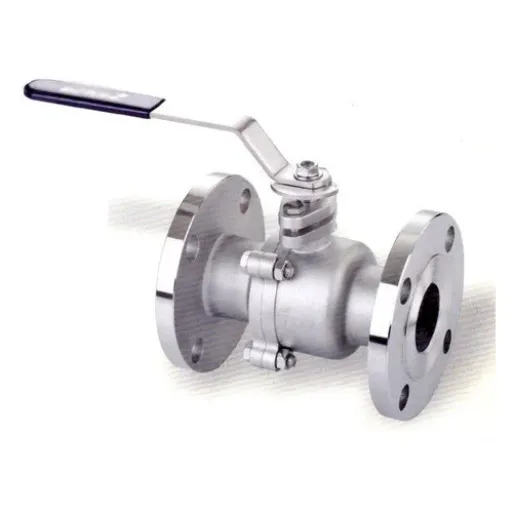
What is a Ball Valve?
A ball valve is a flow control device featuring a precision-machined spherical ball with a bore that aligns with the pipe to enable full flow or turns perpendicular to block the passage. In a pvc ball valve, the PVC material body houses the ball, seals, and seats, providing a durable, corrosion-resistant assembly. The operator rotates the handle to switch positions, and a lock feature may be added for safety in commercial or industrial applications. End connections include socket, threaded, and NPT thread options, supporting a wide range of pipe and fitting standards in inch PVC sizes. Robust seals such as EPDM O-rings enable leak-proof performance and easy repair, making ball valves a staple in water-focused systems.
Benefits of Using PVC Ball Valves
Key advantages: corrosion resistance, lightweight handling, full-port high flow with minimal pressure drop, and easy maintenance. Their smooth operation and full port design support high flow with minimal pressure drop, enhancing functionality in water treatment, irrigation, and pool circulation. The combination of socket and threaded end connections provides installation flexibility, while true union ball and double union configurations enable quick repair and assembly without reworking adjacent pipe. With EPDM O-ring seals and precision seats, these valves maintain leak-proof reliability across a wide range of applications and temperatures within PVC’s engineering limits. Contractors value the ease to plumb, lock options for safety, and availability from supplier networks offering various inch sizes, brand warranties, and industrial-grade union valves for demanding flow control tasks.
Overview of True Union Ball Valves
True union designs let you remove the valve body without cutting pipe, dramatically reducing downtime. A true union ball valve, also called a pvc true union ball or union ball valve, features removable end connectors that thread or socket onto the pipe, allowing the central body to be detached for maintenance while the end connections remain in place. This design streamlines operation and repair, reducing downtime in industrial applications and commercial facilities. With double union ends, the installer can rotate and align the valve precisely, simplifying assembly in tight spaces. EPDM O-ring seals, robust seats, and standardized NPT or socket connections provide leak-proof reliability across a wide range of flow conditions. True union construction excels in pool systems, backyard irrigation, and water treatment, where contractors require reliable, durable engineering, compatibility with inch PVC fittings, and the ability to service the port and seals without cutting pipe, often backed by a supplier warranty.
Applications of PVC Ball Valves
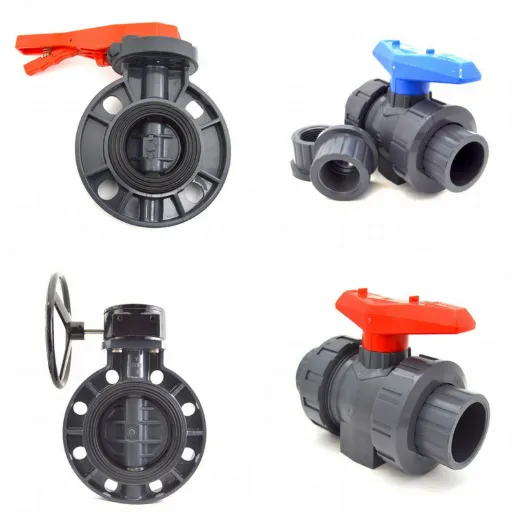
Industrial Applications of PVC Ball Valves
In industrial applications, the pvc ball valve is favored for nonmetallic corrosion resistance, lightweight handling, and precise flow control across a defined chemical and temperature range. Facilities deploy union ball valve and pvc true union ball configurations on process skids, dosing lines, rinse water manifolds, and ventilation scrubbers where frequent maintenance is required. True union ends allow technicians to rotate and remove the body for service, replace an EPDM O-ring seal, or change the ported ball without disturbing the pipe. Socket and threaded end connections, including NPT, fit common inch PVC standards, enabling reliable connection to instrumentation and pumps. Compared with brass, PVC reduces corrosion risks and simplifies maintenance, supporting long-term reliability. Contractors and suppliers also note the advantage of double union designs, lock handles for safety, and brand warranties that underpin long-term reliability.
PVC Ball Valves in Irrigation Systems
Quarter-turn, full-port PVC ball valves minimize pressure loss and simplify zone isolation in irrigation. Irrigation networks rely on the durable, leak-proof operation of pvc ball valve assemblies to manage zone control, filter bypass, fertilizer injection, and seasonal blowouts. The valve’s quarter-turn handle lets users operate and isolate lines quickly, while the smooth, full-port design minimizes pressure loss across long runs of pipe. True union ball valves excel where frequent repair or flushing is required; the body can be removed to clean debris, replace seals, or re-seat the ball without cutting the line. Socket and threaded options connect easily to inch PVC fittings, manifolds, and NPT-threaded controllers, making it simple to plumb new zones or retrofit existing systems. Resistant to outdoor UV exposure when properly shielded and selected by brand and specification, these valves provide reliable functionality for farms, commercial landscapes, and backyard drip systems.
Utilizing PVC Valves in Swimming Pools
True union PVC valves speed pool equipment service while withstanding chlorinated environments. Pool circulation, heating, and water treatment loops benefit from the robust, corrosion-resistant design of pvc ball valves, particularly where chlorinated water and outdoor environments challenge brass alternatives. Installers commonly specify true union ball or double union union valves around pumps, filters, heaters, and salt systems to facilitate fast service: rotate and unthread the union nuts, lift the valve body, replace the EPDM O-ring or seats, and reassemble without disturbing adjacent pipe. Socket and NPT thread connections match standard inch PVC fittings, enabling clean, aligned assembly that maintains optimal flow through the port. Lockable handles help prevent unintended operation in commercial facilities, and recognized brand options with warranty support long-term reliability. The result is consistent, leak-proof functionality that simplifies seasonal maintenance while preserving pump efficiency and water clarity.
Design Features of True Union Ball Valves
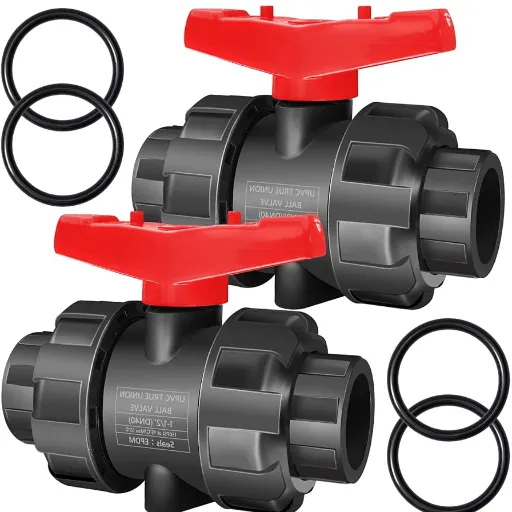
Key Components of True Union Ball Valves
A true union ball consists of a PVC valve body, a precision-machined ball, resilient seats, and an EPDM O-ring seal system that together deliver reliable, leak-proof performance. The removable end connectors, tightened by union nuts, anchor to the pipe via socket or thread interfaces, allowing the central body to be detached without cutting. The ball interfaces with the seats to regulate flow through the port, while stem seals protect against external leakage during operation. A durable handle enables quarter-turn actuation, and a lock provision can be added in commercial or industrial applications for safety. Engineering details such as reinforced stems, smooth ball surfaces, and calibrated torque requirements ensure consistent functionality. High-quality designs focus on corrosion resistance and easy parts interchangeability to minimize downtime.
End Connections and Port Options
Choose socket ends for permanent solvent-weld installs and NPT/threaded ends for modular serviceability. End connections define how a ball valve integrates with the pipe and fitting system, and true union designs excel with flexible socket and threaded options. Socket ends suit solvent-welded inch PVC installations, providing a strong, permanent connection in irrigation and pool systems. Threaded or NPT thread ends enable disassembly in commercial environments where modularity is crucial.
| Feature | Details |
|---|---|
| Port options | Many union ball valve models offer full port to minimize pressure drop and sustain high flow; some applications use standard port to manage velocity. |
| Assembly benefits | Double union ends allow precise rotation and alignment for a straight connection path and reliable sealing. |
By combining compatible end connections with the correct port, contractors achieve durable, leak‑proof performance using PVC material as a corrosion‑resistant alternative to brass in harsh outdoor and industrial settings.
Seal Technology in PVC True Union Balls
EPDM O-ring systems and engineered seats are central to leak-proof, low-torque operation. Seal technology underpins the reliability of a pvc true union ball, ensuring leak-proof operation across variable pressures and media. EPDM O-ring seals are commonly selected for water treatment, irrigation, and pool applications due to their chemical compatibility and temperature resilience. The O-ring interfaces with precision-machined grooves in the body and end connections, maintaining compression as the union nuts are tightened to the pipe. Seat materials are engineered to provide low-torque actuation and stable sealing around the ball, preserving functionality even after repeated cycles. Advanced brand designs optimize stem seals to prevent external leakage when operators rotate the handle. Contractors appreciate the ease of replacing O-rings and seats during repair without disturbing adjacent assembly, a hallmark of true union engineering. This robust, corrosion-resistant sealing approach delivers durable performance and supports warranty-backed reliability in industrial applications and backyard projects alike.
Choosing the Right PVC Valve for Your Needs
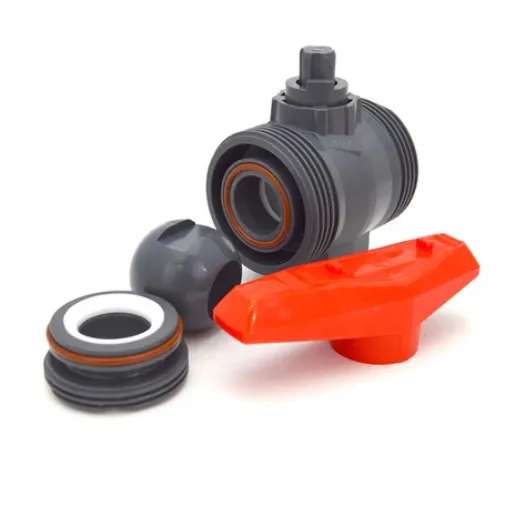
Factors to Consider When Selecting a PVC Ball Valve
Check media/temperature/pressure compatibility, maintenance access (true union), and connection type (socket vs NPT). When choosing a PVC ball valve, start with the media, temperature, and pressure range to confirm compatibility with PVC material and EPDM O-ring seals. Determine if your flow control requires full port for minimal pressure drop or standard port to moderate velocity. Installation constraints guide end connections: socket for permanent solvent-weld assembly on inch PVC, or thread/NPT for modular, serviceable connections.
| Selection Factor | Key Considerations |
|---|---|
| Port Style | Full port for minimal pressure drop; standard port to moderate velocity |
| End Connections | Socket for permanent solvent-weld; Thread/NPT for modular, serviceable installs |
| Maintenance | True union or double union allows body removal and seat/seal replacement without cutting pipe |
| Operational Needs | Evaluate handle torque, lock capability, and suitability for outdoor/industrial exposure |
For systems needing quick maintenance, a true union ball or double union valve lets the contractor detach the body and replace seats or seals without cutting pipe. Finally, compare brand reputation, supplier support, and warranty coverage to ensure reliable functionality, precise operation, and long-term durability in every connection and port configuration.
Leading Brands of Union Ball Valves
Choose brands with proven durability, available spare parts, and strong distributor support. Reputable brand selection supports reliability, parts availability, and consistent engineering across a wide range of applications. Leading suppliers of union ball valve and pvc true union ball products emphasize robust bodies, precision seats, and EPDM O-ring seal kits that simplify repair. Look for lines that feature socket and threaded NPT end connections across common inch sizes, with full-port options for high-flow systems. Industrial-focused brands typically validate valves for rigorous cycle life, offer lock-ready handles for commercial environments, and provide comprehensive documentation for plumb alignment and installation. For irrigation and pool projects, brands with strong distributor networks ensure fast access to replacement fittings and union components. Whether the need is a compact true union for backyard setups or a heavy-duty solution for industrial applications, choose manufacturers with proven durability, corrosion resistance, and responsive warranty support through authorized supplier channels.
Common Warranty Offers for PVC Valves
Expect 1–3 year warranties covering materials/workmanship when installed per specifications. Warranty policies for pvc ball valves and true union ball valves generally reflect build quality and expected service life. Many brands offer one- to three-year warranties covering defects in materials and workmanship, provided installation follows specifications for socket and threaded NPT connections, solvent welding, and torque. Industrial lines may include extended coverage on union valves and critical components like seats and EPDM O-ring seals, with exclusions for misuse, incompatible chemicals, or temperatures beyond the stated range. Some suppliers back double union assemblies with parts availability guarantees, enabling timely repair without full replacement. Warranty claims often require proof of purchase, application details, and evidence the valve was operated within rated pressure and port limits. Contractors benefit from brands that pair clear terms with accessible support, ensuring reliable remedies and maintaining flow control functionality in outdoor, commercial, and water treatment systems.
Recently Posted
-
Understanding the Functions of Suction Valve and Discharge Valve in Pump Systems
December 18, 2025Industrial pump systems rely on precise mechanical coordination to transport fluids effectively. At the heart of this process are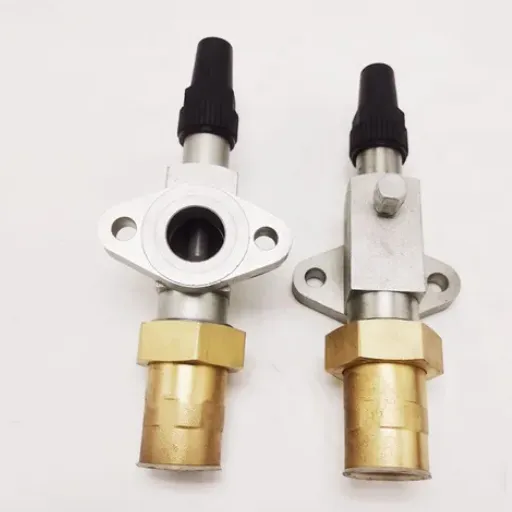 Read More
 -
Exploring Advanced Technologies in Air Compressor Discharge Valve Manufacturing
December 17, 2025The efficiency of any pneumatic system relies heavily on the performance of its smallest components. Among these, the air compress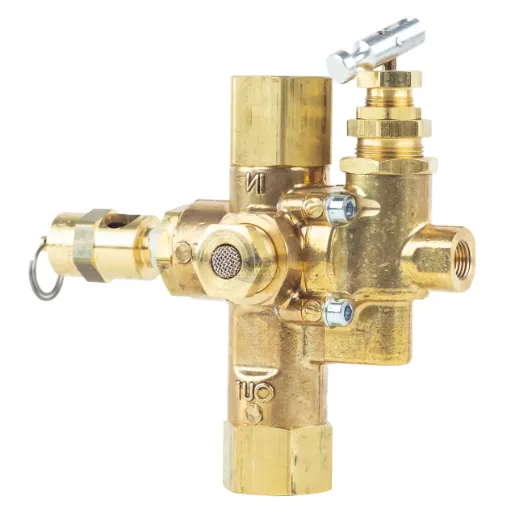 Read More
 -
Exploring Different Discharge Valve Types for Efficient Fluid Flow Management
December 16, 2025Industrial systems rely heavily on precision components to maintain safety, efficiency, and operational integrity. Among these com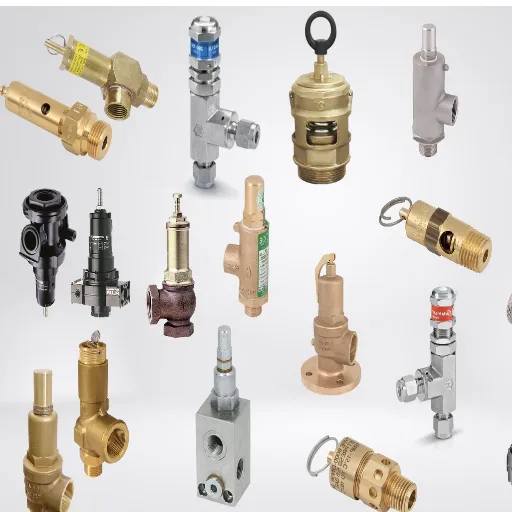 Read More
 -
How the Discharge Valve AC Affects Performance and Longevity of Cooling Systems
December 15, 2025The efficiency of any air conditioning system relies heavily on the precise coordination of its internal components. While the com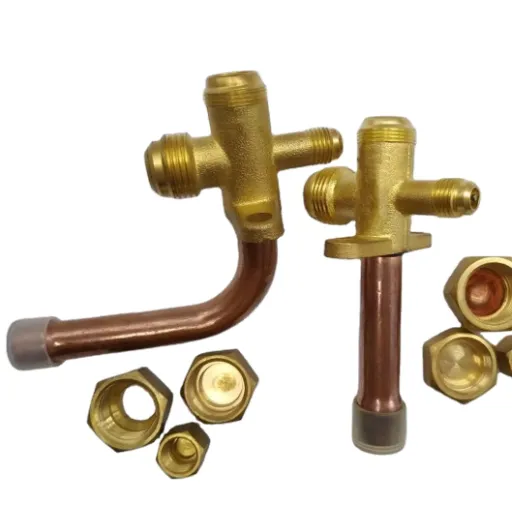 Read More

Contact Us
Recommended Products
-
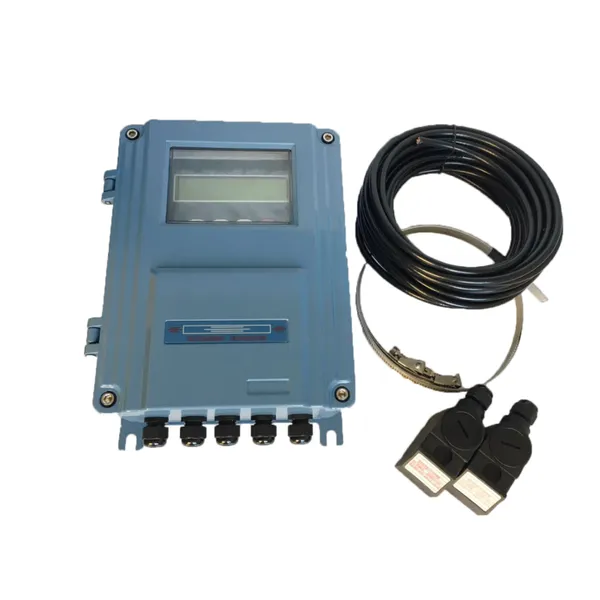
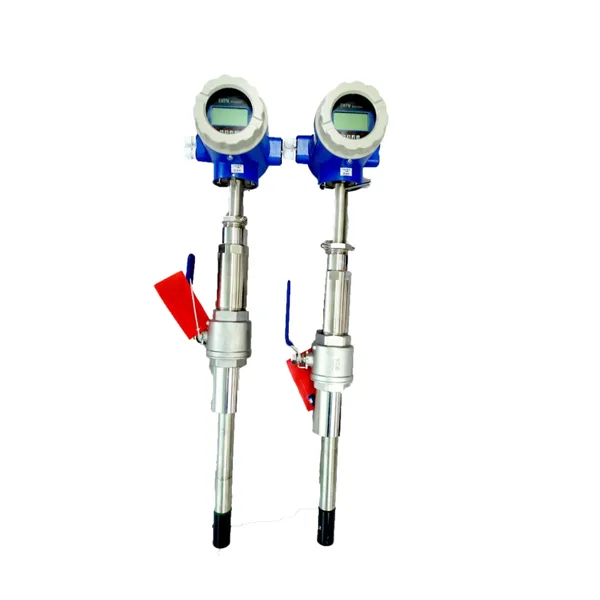
 DN1000 Insertion Type Ultrasonic Flow Meter for Clean Water Pure WaterNegotiableMOQ: 100 Sets
 -
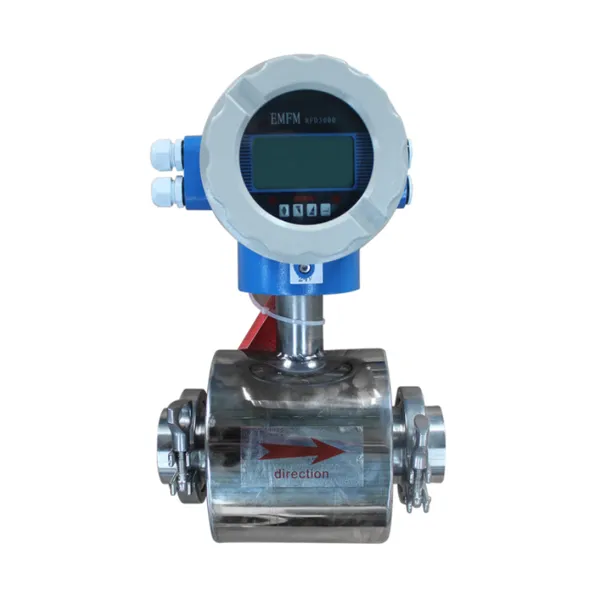
Advanced Electromagnetic Flowmeter With Integrated Liquid Measurement TechnologyNegotiableMOQ: 10 Units
-
High Precision Electromagnetic Flow Meter for Southeast Asia Export - Easy Installation & Reliable After-SaleNegotiableMOQ: 10 Units
-
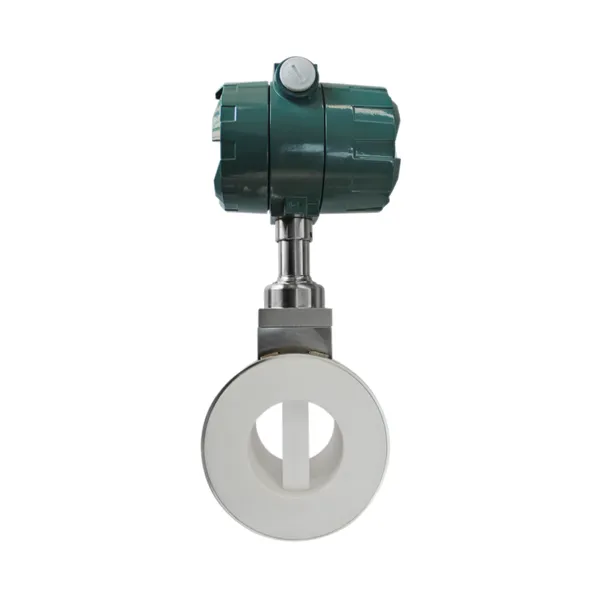
Advanced Digital Vortex Flow Meter for Accurate Water and Liquid MeasurementNegotiableMOQ: 10 Pieces
-
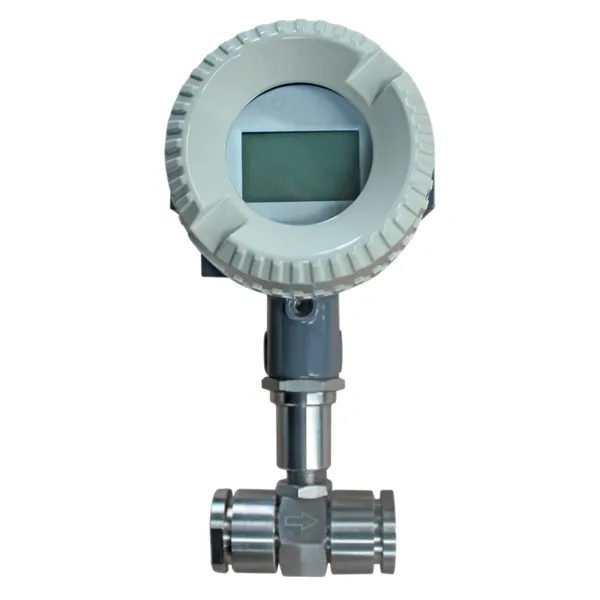
DN50 304 Stainless Steel Turbine Flowmeter for Diesel Oil MeasurementNegotiableMOQ: 10 Units
-
Low-Temperature Turbine Flowmeter for Liquid Nitrogen Applications in Cryogenic SystemsNegotiableMOQ: 10 Units
-
Industrial UV Disinfection Machine for Food & Beverage Industry - UVTunnelTM Tech, 1-40℃ Working TempNegotiableMOQ: 1 Set
-
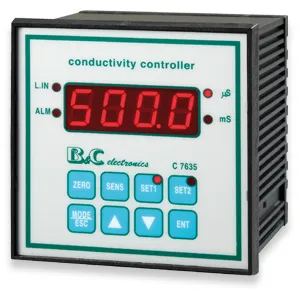
C 7635 High-purity Water Conductivity Transmitter With Automatic Temperature Compensation 0-100°CNegotiableMOQ: 1 Set
-
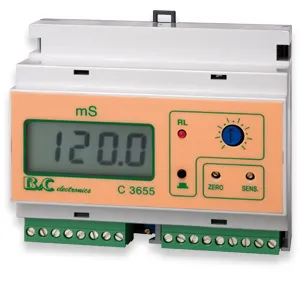
C 3655 Conductivity Meter Output Conductivity Transmitter With IP65 Waterproof HousingNegotiableMOQ: 1 Set
-
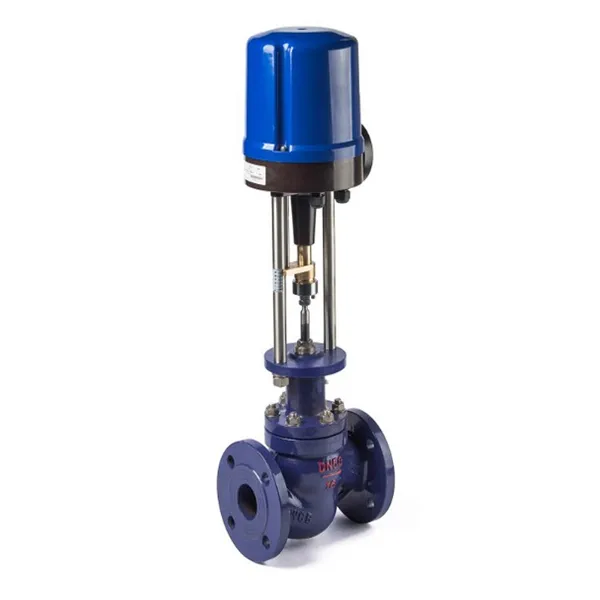
High Performance Electric Regulating Valve for Environmental Protection Water Treatment SystemsNegotiableMOQ: 1 Piece
-
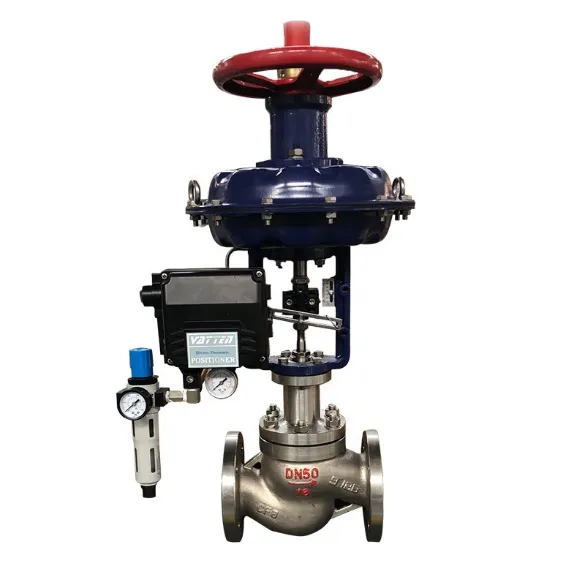
High Quality Pneumatic Control Valve for Chemical Pharmaceutical Industry Chinese Strong Factory With Spot StockNegotiableMOQ: 1 Piece
-
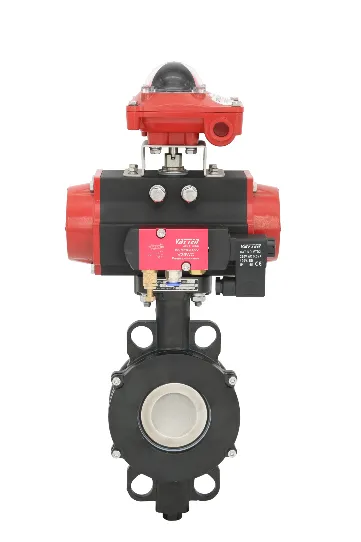
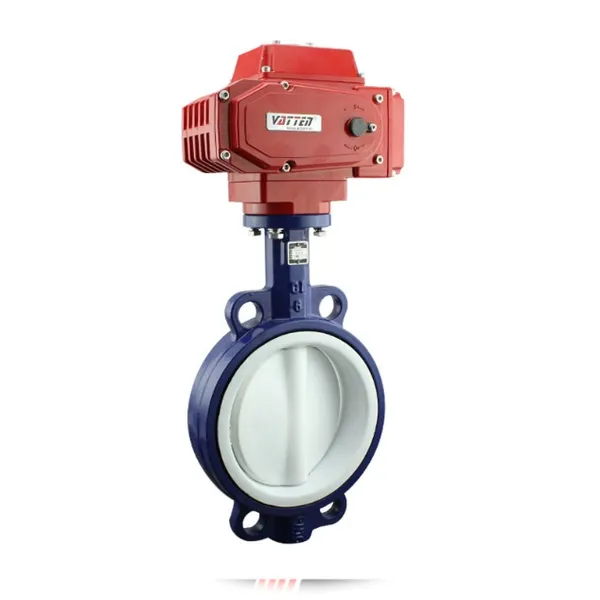
Pneumatic or Electric Actuator Compatible Full Fluorine-Lined Butterfly Valve With On/Off and Smart Regulating OptionsNegotiableMOQ: 1 Set
-
Powder Conveying Specialized Pneumatic Y-Type Ball Valve, Full Bore Design With No Dead Space for Clean MediaNegotiableMOQ: 1 Set
-
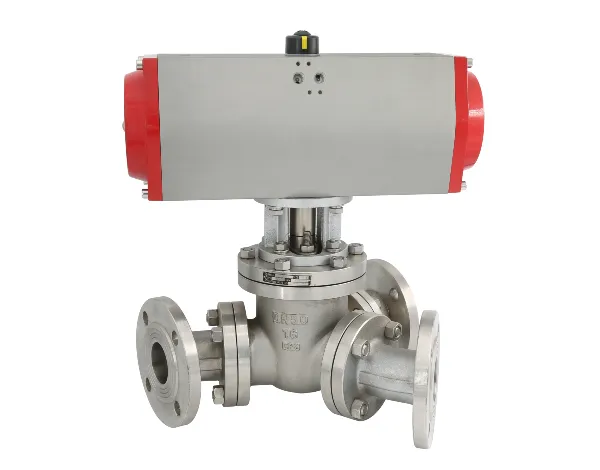
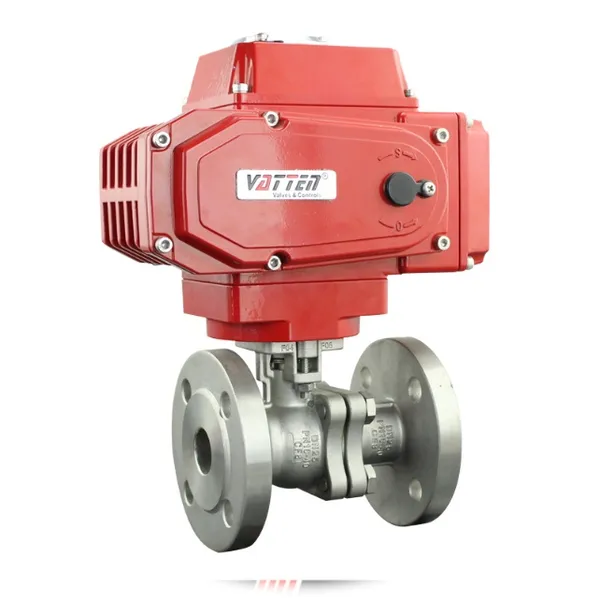
Manual, Pneumatic, or Electric Flanged Ball Valve With ISO5211 High Platform, Easy 90-Degree Operation for Fluid ControlNegotiableMOQ: 1 Set
-
Zero Leakage Full Fluorine-Lined Butterfly Valve Featuring Superior Corrosion Resistance and Long Service LifeNegotiableMOQ: 1 Set
-
Bottom Discharge Valve VTF-88-3 Series, DN25-DN300, Stainless Steel 316L/Carbon Steel, PN10/PN16 Class 150, Manual or Pneumatic ActuationNegotiableMOQ: 1 Set
-
Cost-Effective Knife Gate Valve With Rigid/Elastic Gate Options - Ensures Tight Shutoff and High Performance in Diverse Industrial SettingsNegotiableMOQ: 1 Set
-
FLS PH/ORP 200 Epoxy Resin Body Glass Bulb Electrode (Single-Junction/Double-Junction Versions)NegotiableMOQ: 100 Pieces
-
FLS F3.20 Flow Sensor Optimized for HVAC Systems, Cooling Units, and Boiler Feed Water, Featuring Low Maintenance and High Precision AccuracyNegotiableMOQ: 100 Pieces
-
FLS F3.80 Oval Gear Flow Sensor – High Precision for High-Viscosity Liquids (10-150L/h, IP65)NegotiableMOQ: 100 Pieces