
 Business License

How to Choose the Right Ball Valve Supplier for Your Industrial Needs
Finding the right ball valve supplier is critical for industrial operations. The quality and reliability of these components can directly impact safety, efficiency, and overall system performance. This guide provides a comprehensive overview of ball valves and outlines a clear process for selecting a supplier that meets your specific industrial needs.
Understanding Ball Valves
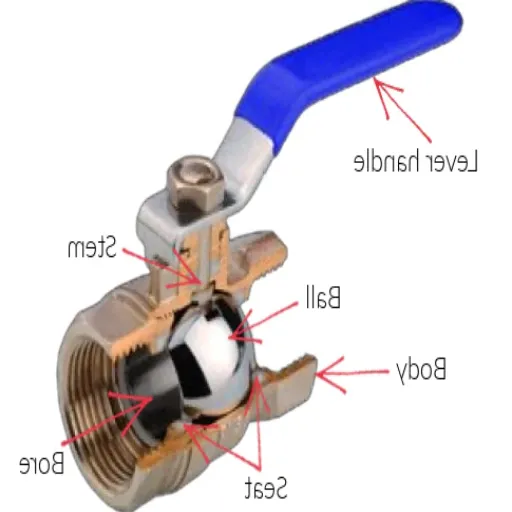
What is a Ball Valve?
A ball valve is a quarter-turn shut-off valve that controls the flow of a fluid or gas by means of a rotary ball with a bore. When the valve's handle is aligned with the pipe, the bore is open, allowing flow. When the handle is turned 90 degrees, the bore is perpendicular to the flow path, blocking it.
Their simple design offers several key advantages:
Quick Operation: The quarter-turn action allows for rapid opening and closing.
Durability: They are known for their long service life and reliable sealing performance, even after long periods of disuse.
Compact Design: They generally have a smaller footprint compared to other valve types with similar ratings.
Cost-Effectiveness: Ball valves are often more economical to purchase and maintain than other valve options.
Types of Ball Valves
Ball valves are categorized based on their construction, port configuration, and materials. Understanding these variations is crucial for selecting the right valve for a specific application.
Based on Body Construction:
One-Piece: The valve body is a single, solid casting. These are typically inexpensive and used for less demanding applications.
Two-Piece: The body consists of two pieces screwed together, allowing for easier maintenance of the internal components.
Three-Piece: These valves have a body center section and two end caps. This design allows for the main part of the valve to be removed for repair or cleaning without disturbing the pipe connections.
Based on Ball Design:
Floating Ball: The ball is held in place by two elastomeric seats and "floats" downstream with the flow pressure to create a seal against the downstream seat. This is the most common design.
Trunnion Mounted: The ball is supported by a trunnion, a short shaft, at the top and bottom. This design reduces the torque required to operate the valve, making it suitable for larger, high-pressure applications.
Based on Port Configuration:
Full Port (Full Bore): The hole in the ball has the same diameter as the pipe. This minimizes pressure drop and allows for pigging (cleaning the pipeline with a device called a "pig").
Reduced Port (Standard Bore): The hole is one pipe size smaller than the pipe's diameter. This creates a slight flow restriction but is more economical.
V-Port: The ball has a 'V' shaped profile, allowing for more precise flow control (throttling), which is not typical for standard ball valves.
Applications of Industrial Ball Valves
The versatility and reliability of ball valves make them suitable for a wide range of industrial applications, including:
Oil and Gas: Used for shut-off in pipelines, processing plants, and storage facilities.
Chemical Processing: Ideal for handling corrosive fluids, as they can be made from a variety of resistant materials.
Water and Wastewater Treatment: Used for flow control in treatment plants and distribution networks.
Power Generation: Applied in cooling systems, fuel lines, and steam applications.
Food and Beverage: Sanitary ball valves made from stainless steel are used to ensure product purity.
Key Considerations When Selecting a Valve Manufacturer
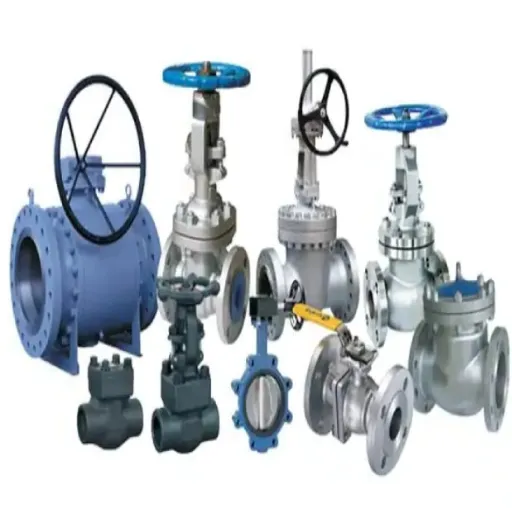
Evaluating Product Quality
Product quality is paramount. A faulty valve can lead to system downtime, product loss, or even safety hazards.
Manufacturing Processes: Inquire about the manufacturer’s production methods. Do they use modern CNC machining for precision? What quality control checks are in place at each stage of production?
Material Sourcing: Where do they source their raw materials? Reputable suppliers use high-grade materials with verifiable certifications. Ask for Material Test Reports (MTRs) to confirm the chemical and physical properties of the materials used.
Testing Procedures: A reliable manufacturer will conduct rigorous testing on their products. Common tests include hydrostatic testing (for shell and seat leakage) and pneumatic testing. Ask what percentage of valves are tested and to what standards.
Assessing Compliance and Standards
Industrial valves must comply with various international and industry-specific standards to ensure safety and interoperability.
ISO 9001: This certification indicates that the manufacturer has a robust quality management system in place.
API Standards: The American Petroleum Institute (API) sets standards for valves used in the oil and gas industry, such as API 6D and API 608.
ASME Standards: The American Society of Mechanical Engineers (ASME) provides codes like B16.34, which covers valves' pressure-temperature ratings.
NACE Compliance: For applications involving corrosive environments (sour gas), valves must comply with NACE MR0175 standards.
Ensure the supplier can provide documentation proving their products meet the standards relevant to your industry and application.
Importance of Supplier Reputation
A supplier’s reputation is a strong indicator of their reliability.
Years in Business: A long-standing company often has a proven track record of quality and customer service.
Customer Reviews and Testimonials: Look for feedback from other companies in your industry. Case studies can provide insight into how the supplier has solved problems for clients with similar needs.
Technical Support: Does the supplier have a knowledgeable technical team that can assist with valve selection, installation, and troubleshooting? A good supplier acts as a partner, not just a vendor.
Warranty and After-Sales Service: Clarify the warranty terms for their products. A strong warranty demonstrates the manufacturer's confidence in their quality. Inquire about their process for handling claims and providing support after the sale.
Factors to Consider for Ball Valve Selection
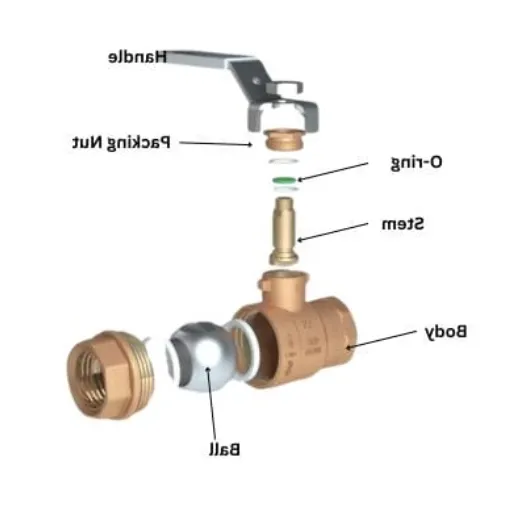
Material Options for Industrial Ball Valves
The material of the valve body and its internal components must be compatible with the fluid or gas being handled, as well as the operating temperature and pressure.
Carbon Steel (e.g., A216 WCB): Strong and durable, suitable for general industrial applications with oil, gas, and water. Not ideal for corrosive media.
Stainless Steel (e.g., 316/CF8M): Offers excellent corrosion resistance, making it suitable for chemical processing, food and beverage, and marine applications.
Brass: Cost-effective and suitable for water, oil, and air services at lower pressures.
Alloy Materials (e.g., Monel, Hastelloy): Used for highly corrosive or high-temperature applications where stainless steel is inadequate.
Seat Materials: The soft seats that seal against the ball are also critical. Common options include PTFE (Teflon), RPTFE (Reinforced Teflon), PEEK, and metal seats for high-temperature or abrasive services.
Determining the Right Size and Port Configuration
The valve size must match the pipeline. The choice between a full port and a reduced port depends on the application's flow requirements.
Flow Rate: For applications where a high flow rate and low pressure drop are critical, a full port valve is necessary.
Piggability: If the pipeline needs to be cleaned using a pig, a full port valve is mandatory.
Cost and Space: Reduced port valves are more compact and economical, making them a good choice for applications where a slight flow restriction is acceptable.
Understanding Flow Characteristics
For most ball valves, the primary function is on/off service. They are not typically designed for throttling (regulating flow).
Cv (Flow Coefficient): This value represents the valve's capacity for flow. Suppliers should provide Cv values for their valves, which can be used in system design calculations to determine pressure drop.
Pressure Rating: The valve must be rated for the maximum operating pressure of the system. This is usually specified in classes (e.g., Class 150, 300, 600) according to ASME standards.
Temperature Rating: The valve's materials, especially the soft seats, must be able to withstand the minimum and maximum operating temperatures.
Find the Right Supplier
Researching Potential Suppliers
Online Directories: Websites like Thomasnet and industrial trade publications are good starting points for finding manufacturers and distributors.
Trade Shows: Attending industry trade shows allows you to meet with suppliers in person, see their products firsthand, and speak with their technical experts.
Industry Networks: Ask for recommendations from colleagues, peers, and other professionals in your industry.
Requesting Samples and Quotes
Once you have a shortlist of suppliers, reach out to them.
Request for Quotation (RFQ): Provide a detailed RFQ that specifies your technical requirements, including valve type, size, materials, pressure/temperature ratings, and required certifications.
Request Samples: For critical applications, request a sample valve for evaluation. This allows your engineering team to inspect the quality of the manufacturing and materials.
Evaluate Responses: Compare the quotes not just on price, but also on lead times, warranty terms, and the thoroughness of the supplier's response. A detailed, professional response is often a good sign.
Establishing Long-Term Relationships with Suppliers
The goal is not just to make a one-time purchase but to find a reliable partner for the long term. A strong relationship can lead to better pricing, preferential lead times, and dedicated support.
Communicate your long-term needs and expectations clearly. A supplier who is invested in your success will work with you to ensure you have the right components to keep your operations running smoothly and safely.
Recently Posted
-
Understanding the Functions of Suction Valve and Discharge Valve in Pump Systems
December 18, 2025Industrial pump systems rely on precise mechanical coordination to transport fluids effectively. At the heart of this process are Read More
 -
Exploring Advanced Technologies in Air Compressor Discharge Valve Manufacturing
December 17, 2025The efficiency of any pneumatic system relies heavily on the performance of its smallest components. Among these, the air compress Read More
 -
Exploring Different Discharge Valve Types for Efficient Fluid Flow Management
December 16, 2025Industrial systems rely heavily on precision components to maintain safety, efficiency, and operational integrity. Among these com Read More
 -
How the Discharge Valve AC Affects Performance and Longevity of Cooling Systems
December 15, 2025The efficiency of any air conditioning system relies heavily on the precise coordination of its internal components. While the com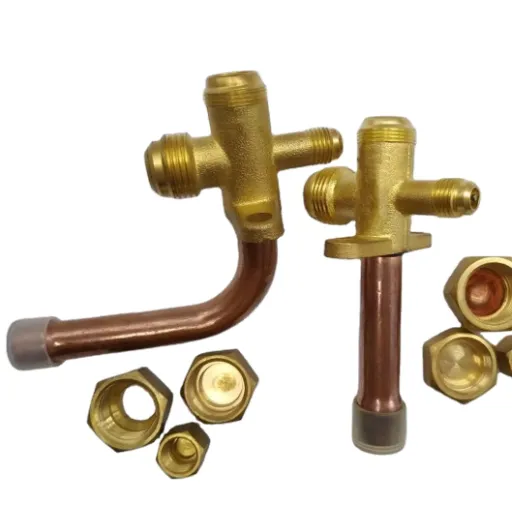 Read More

Contact Us
Recommended Products
-
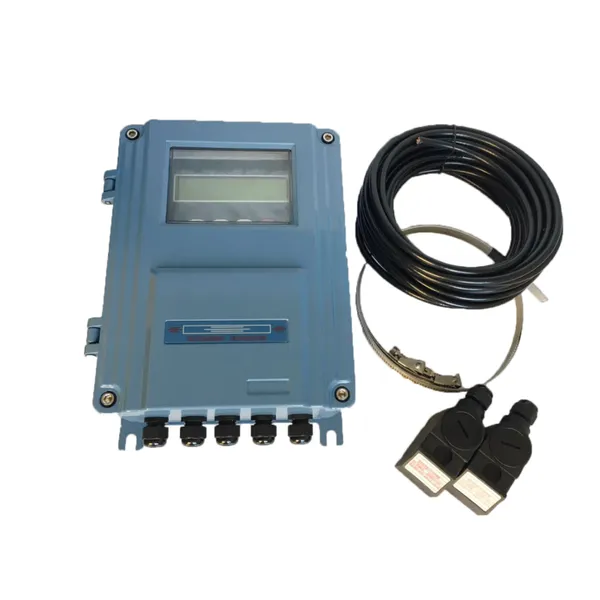
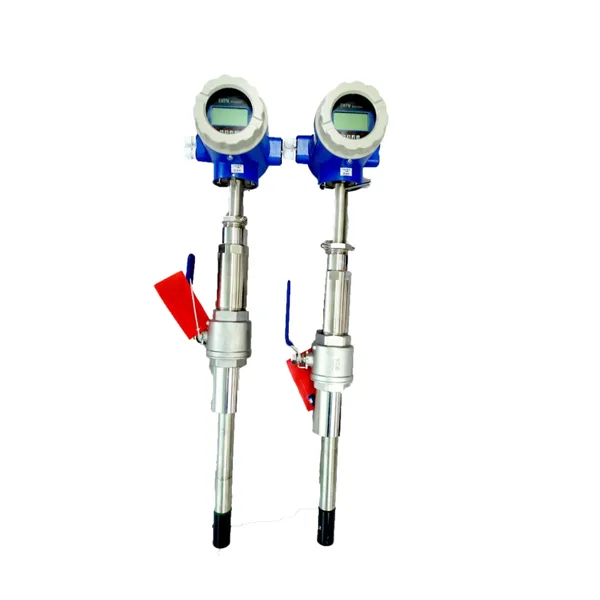
 DN1000 Insertion Type Ultrasonic Flow Meter for Clean Water Pure WaterNegotiableMOQ: 100 Sets
 -
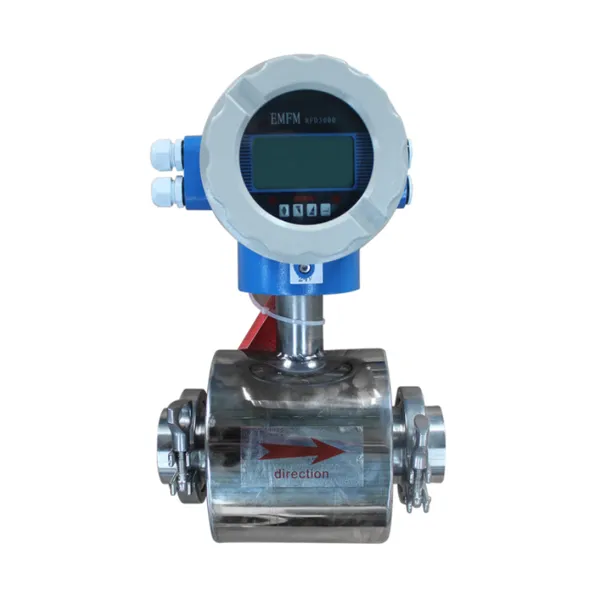
Advanced Electromagnetic Flowmeter With Integrated Liquid Measurement TechnologyNegotiableMOQ: 10 Units
-
High Precision Electromagnetic Flow Meter for Southeast Asia Export - Easy Installation & Reliable After-SaleNegotiableMOQ: 10 Units
-
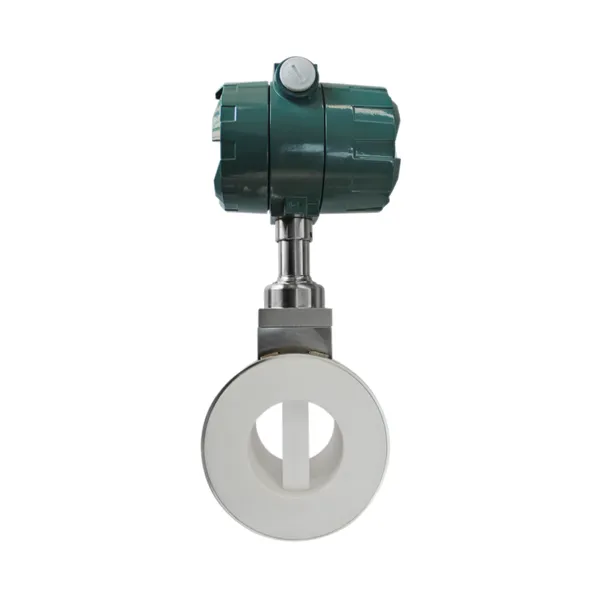
Advanced Digital Vortex Flow Meter for Accurate Water and Liquid MeasurementNegotiableMOQ: 10 Pieces
-
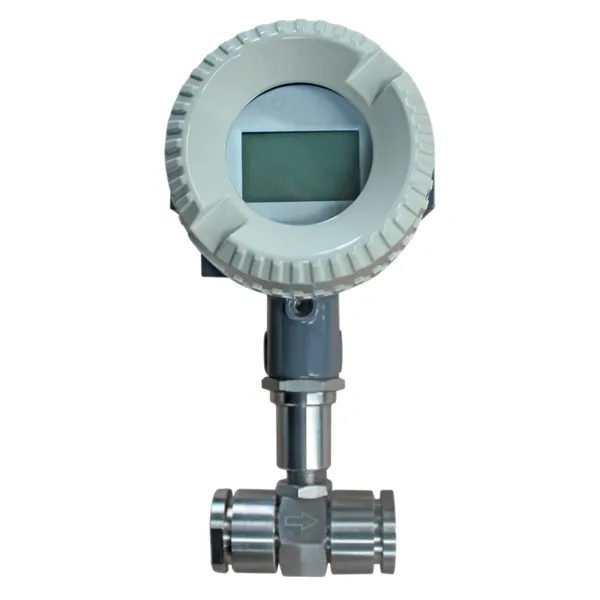
DN50 304 Stainless Steel Turbine Flowmeter for Diesel Oil MeasurementNegotiableMOQ: 10 Units
-
Low-Temperature Turbine Flowmeter for Liquid Nitrogen Applications in Cryogenic SystemsNegotiableMOQ: 10 Units
-
Industrial UV Disinfection Machine for Food & Beverage Industry - UVTunnelTM Tech, 1-40℃ Working TempNegotiableMOQ: 1 Set
-
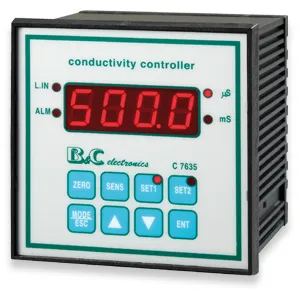
C 7635 High-purity Water Conductivity Transmitter With Automatic Temperature Compensation 0-100°CNegotiableMOQ: 1 Set
-
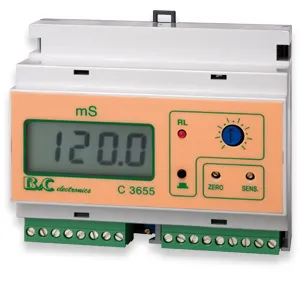
C 3655 Conductivity Meter Output Conductivity Transmitter With IP65 Waterproof HousingNegotiableMOQ: 1 Set
-
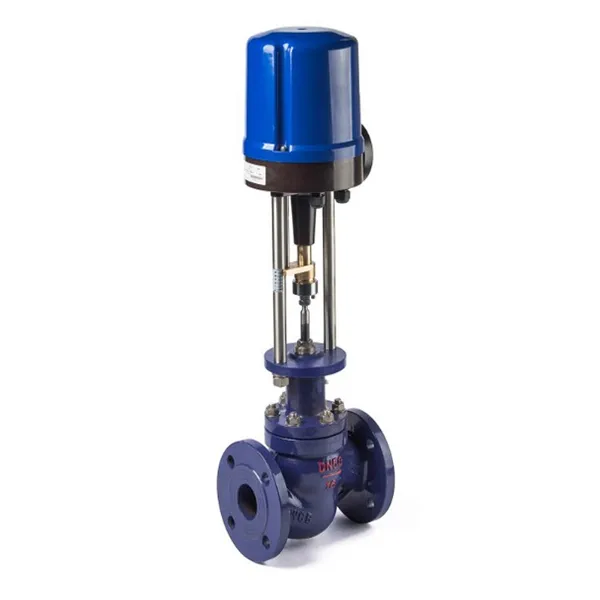
High Performance Electric Regulating Valve for Environmental Protection Water Treatment SystemsNegotiableMOQ: 1 Piece
-
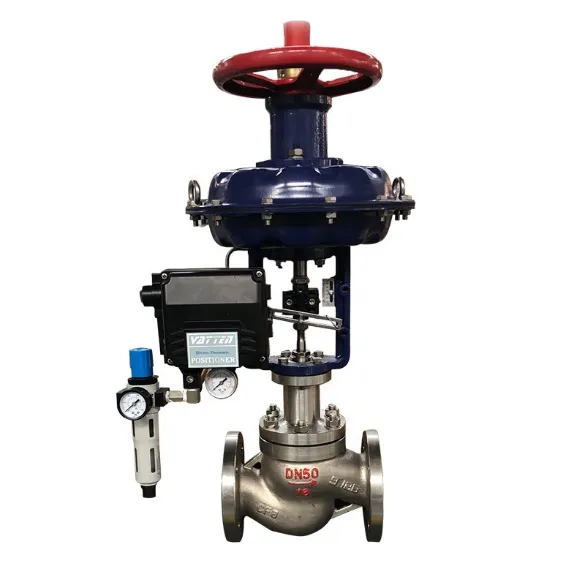
High Quality Pneumatic Control Valve for Chemical Pharmaceutical Industry Chinese Strong Factory With Spot StockNegotiableMOQ: 1 Piece
-
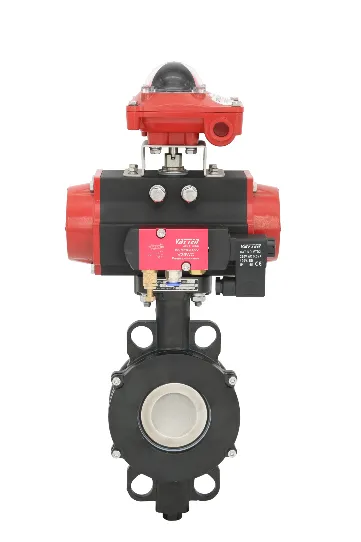
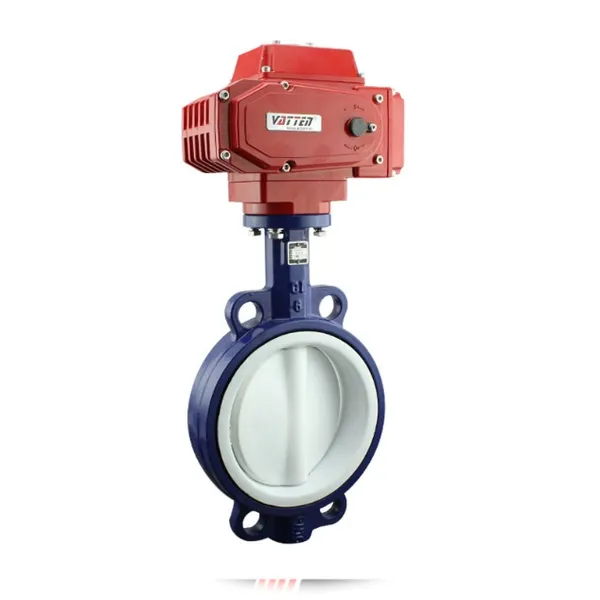
Pneumatic or Electric Actuator Compatible Full Fluorine-Lined Butterfly Valve With On/Off and Smart Regulating OptionsNegotiableMOQ: 1 Set
-
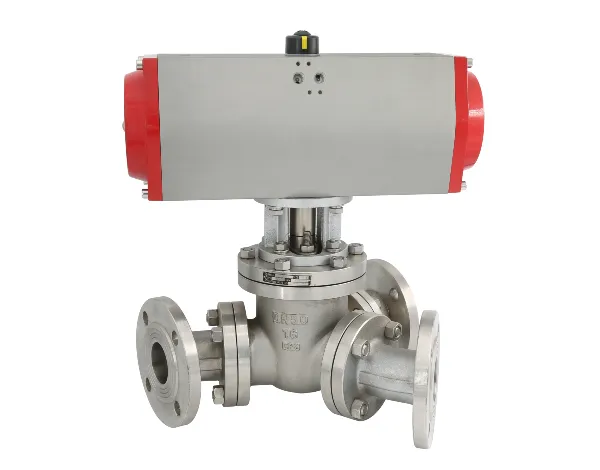
Powder Conveying Specialized Pneumatic Y-Type Ball Valve, Full Bore Design With No Dead Space for Clean MediaNegotiableMOQ: 1 Set
-
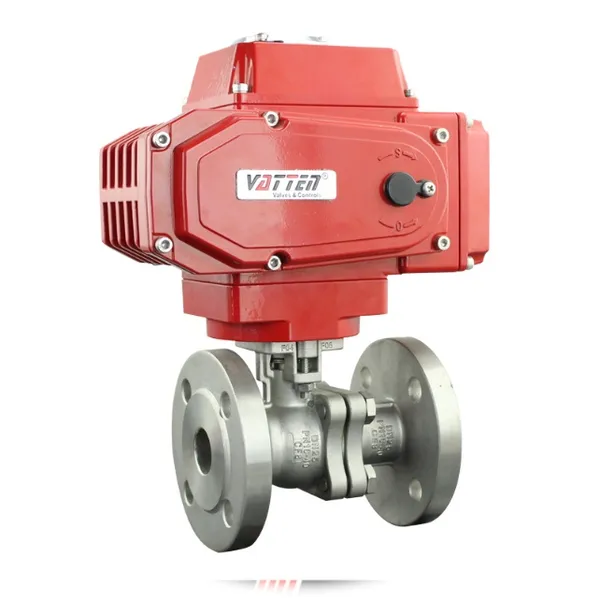
Manual, Pneumatic, or Electric Flanged Ball Valve With ISO5211 High Platform, Easy 90-Degree Operation for Fluid ControlNegotiableMOQ: 1 Set
-
Zero Leakage Full Fluorine-Lined Butterfly Valve Featuring Superior Corrosion Resistance and Long Service LifeNegotiableMOQ: 1 Set
-
Bottom Discharge Valve VTF-88-3 Series, DN25-DN300, Stainless Steel 316L/Carbon Steel, PN10/PN16 Class 150, Manual or Pneumatic ActuationNegotiableMOQ: 1 Set
-
Cost-Effective Knife Gate Valve With Rigid/Elastic Gate Options - Ensures Tight Shutoff and High Performance in Diverse Industrial SettingsNegotiableMOQ: 1 Set
-
FLS PH/ORP 200 Epoxy Resin Body Glass Bulb Electrode (Single-Junction/Double-Junction Versions)NegotiableMOQ: 100 Pieces
-
FLS F3.20 Flow Sensor Optimized for HVAC Systems, Cooling Units, and Boiler Feed Water, Featuring Low Maintenance and High Precision AccuracyNegotiableMOQ: 100 Pieces
-
FLS F3.80 Oval Gear Flow Sensor – High Precision for High-Viscosity Liquids (10-150L/h, IP65)NegotiableMOQ: 100 Pieces