
 Business License

Exploring Different Control Valve Types and Their Role in Process Automation Systems
In complex industrial environments, precision is not just a goal; it is a necessity. Process automation systems rely on a network of components working in unison to manage the flow of liquids, gases, and slurries. At the heart of this intricate dance is the control valve, a device that, despite its often-unseen role, is fundamental to maintaining operational efficiency, safety, and stability.
Understanding the different control valve types is crucial for engineers, technicians, and system designers. Each valve has a unique design and specific application, making the selection process a critical decision that can impact the entire system's performance. This guide provides a comprehensive overview of control valves, their importance, and the various types available, offering the foundational knowledge needed to navigate the complexities of process control.
Introduction to Control Valves
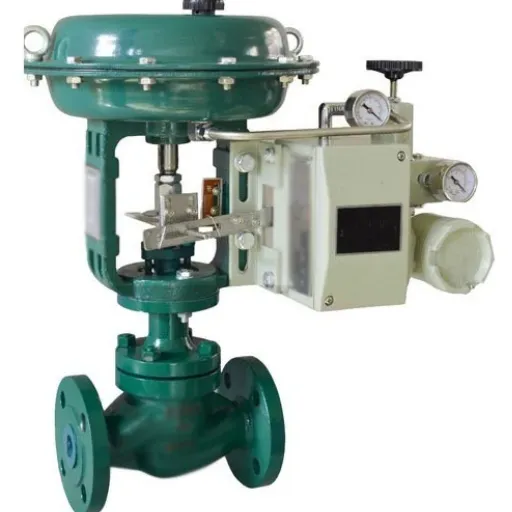
What is a Control Valve?
A control valve is a power-operated device used to regulate the flow of a fluid, such as gas, steam, water, or chemical compounds, in a process system. It is the final control element in a process control loop, directly manipulating a variable like flow rate, pressure, temperature, or liquid level. By adjusting the position of an internal modulating element, a control valve can increase, decrease, or completely shut off flow in response to a signal from a controller.
Importance of Control Valves in Process Control
Control valves are indispensable in any automated process. Their primary function is to maintain a process variable as close as possible to the desired setpoint. Without effective control valves, industries like oil and gas, chemical manufacturing, power generation, and water treatment could not operate safely or efficiently.
The importance of these devices is highlighted by their ability to:
Ensure Safety: By controlling pressure and flow, valves prevent system overloads that could lead to catastrophic failures.
Maintain Product Quality: Precise control of ingredients and process conditions ensures that the final product meets required specifications.
Improve Efficiency: Optimizing flow rates reduces energy consumption and minimizes waste, leading to significant cost savings.
Increase Productivity: Automated control allows processes to run continuously with minimal human intervention, boosting overall output.
Types of Control Valves
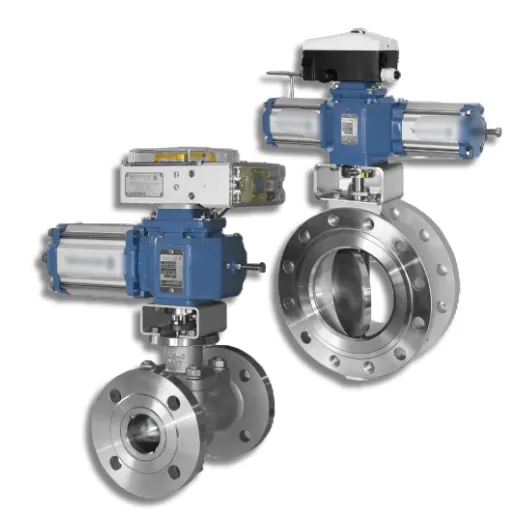
Ball Valve: Characteristics and Applications
A ball valve is a rotary motion valve that uses a ball-shaped disc to stop or start flow. The ball has a port, or bore, through its center. When the port is aligned with the pipe, flow occurs. When the valve is rotated 90 degrees, the solid part of the ball blocks the flow path.
Characteristics: Ball valves are known for their excellent shutoff capabilities, durability, and reliability. They operate with a quick quarter-turn, making them ideal for on/off applications. V-port ball valves are a variation designed for more precise flow control (throttling).
Applications: They are widely used in the oil and gas industry, chemical storage, and residential applications. Their ability to handle slurries and high-pressure, high-temperature flows makes them highly versatile.
Butterfly Valve: Advantages and Use Cases
A butterfly valve is another type of quarter-turn rotary valve. It features a circular disc in the center of the pipe. A rod passes through the disc to an actuator on the outside of the valve. Rotating the actuator turns the disc either parallel or perpendicular to the flow.
Advantages: Butterfly valves are lightweight, compact, and relatively inexpensive compared to other valve types of the same size. They offer fast operation and are available in very large sizes. High-performance butterfly valves provide excellent sealing and can be used for throttling.
Use Cases: Common in water supply, wastewater treatment, and chemical services. They are particularly suitable for handling large volumes of liquids or gases at low pressures.
Globe Type Control Valves: Features and Functions
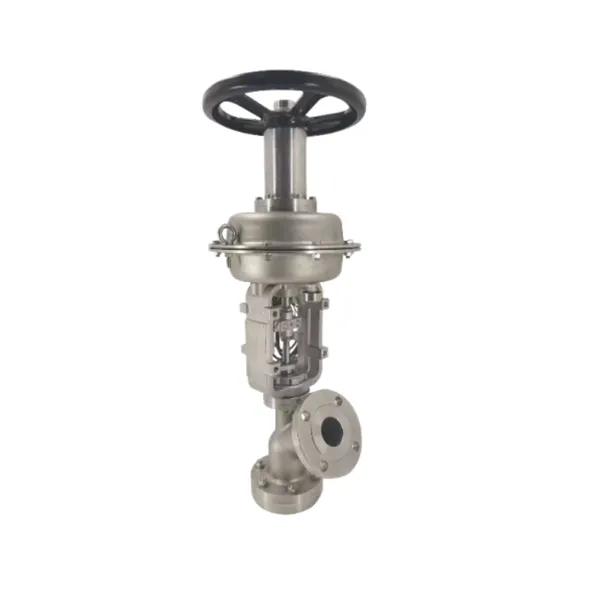
Globe valves are linear motion valves designed for regulating flow (throttling). The closure member, or plug, moves perpendicularly to the seat. This design creates a changing annular space between the plug and the seat ring, allowing for precise control over the flow rate.
Features: Globe valves offer superior throttling performance with excellent control characteristics. However, the S-shaped flow path creates higher pressure drops than in other valve types.
Functions: Their primary function is to modulate flow in applications where precision is more important than minimizing pressure loss. They are commonly used in cooling water systems, fuel oil systems, and high-pressure steam lines.
Plug Valves: Mechanism and Usage
Plug valves are rotary valves that use a cylindrical or tapered plug to control flow. Like a ball valve, the plug has a bore through it. A quarter-turn motion opens or closes the valve.
Mechanism: They provide a simple, robust design with excellent shutoff capabilities. The primary advantage of a plug valve is its suitability for handling slurries and fluids with suspended solids.
Usage: Often found in applications involving viscous fluids, slurries, and services where complete shutoff is required, such as in sewage systems and chemical processing.
Factors Influencing Control Valve Selection
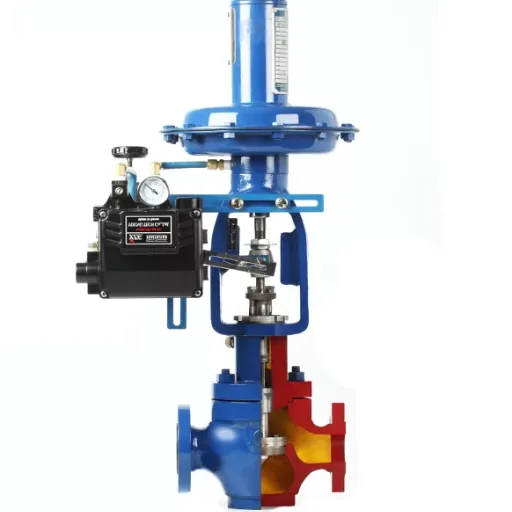
Choosing the correct control valve is a complex task that requires careful consideration of several factors. An incorrect choice can lead to poor performance, frequent maintenance, and potential safety hazards. Key selection criteria include:
Fluid Properties: The type of fluid (liquid, gas, steam, slurry), its viscosity, temperature, and corrosiveness.
Operating Conditions: The required pressure and temperature ranges of the system.
Flow Characteristics: The desired flow rate (Cv), the need for tight shutoff, and whether the primary function is on/off or throttling.
Pipe Size and System Layout: The physical constraints of the installation environment.
Actuator Requirements: The type of power source available (pneumatic, electric, hydraulic) and the required speed of operation.
Role of Actuators in Control Valve Systems
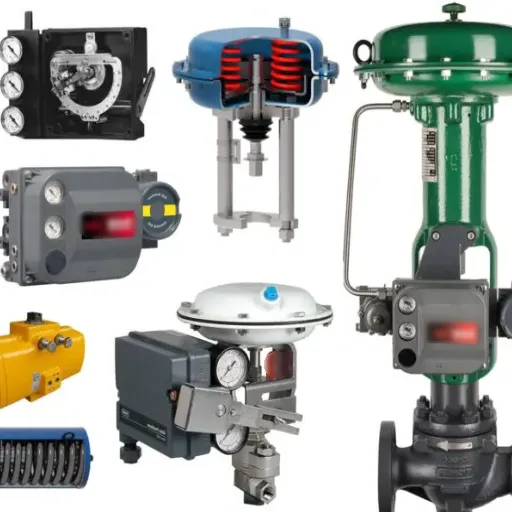
Understanding Valve Actuators
A valve actuator is a mechanism that provides the force and motion to operate a valve. It translates the control signal from a system controller (like a PLC or DCS) into the physical movement required to open, close, or modulate the valve. The choice of actuator is just as critical as the choice of the valve itself.
Types of Actuators for Control Valves
Actuators are classified by their power source:
Pneumatic Actuators: These are the most common type in process industries. They use compressed air to generate motion. They can be either piston-style or diaphragm-style and are known for being reliable, cost-effective, and capable of providing high force.
Electric Actuators: These use an electric motor to drive the valve. They offer precise positioning and are ideal for remote applications where compressed air is not available. They are often used for on/off or modulating control.
Hydraulic Actuators: Using a pressurized fluid (typically oil), hydraulic actuators can generate extremely high forces, making them suitable for operating large, high-pressure valves.
Integration of Actuators in Process Control Systems
The actuator, valve, and a positioner work together as a single assembly. The positioner is a device that ensures the valve reaches the exact position dictated by the control signal. It compares the control signal to the actual valve stem position and adjusts the actuator's output until the two align. This integration is vital for achieving the precise and responsive control required in modern automation systems.
Recently Posted
-
Understanding the Functions of Suction Valve and Discharge Valve in Pump Systems
December 18, 2025Industrial pump systems rely on precise mechanical coordination to transport fluids effectively. At the heart of this process are Read More
 -
Exploring Advanced Technologies in Air Compressor Discharge Valve Manufacturing
December 17, 2025The efficiency of any pneumatic system relies heavily on the performance of its smallest components. Among these, the air compress Read More
 -
Exploring Different Discharge Valve Types for Efficient Fluid Flow Management
December 16, 2025Industrial systems rely heavily on precision components to maintain safety, efficiency, and operational integrity. Among these com Read More
 -
How the Discharge Valve AC Affects Performance and Longevity of Cooling Systems
December 15, 2025The efficiency of any air conditioning system relies heavily on the precise coordination of its internal components. While the com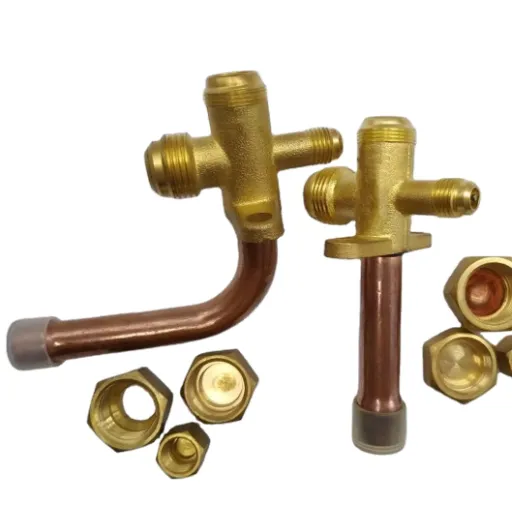 Read More

Contact Us
Recommended Products
-
 DN1000 Insertion Type Ultrasonic Flow Meter for Clean Water Pure WaterNegotiableMOQ: 100 Sets
 -
Advanced Electromagnetic Flowmeter With Integrated Liquid Measurement TechnologyNegotiableMOQ: 10 Units
-
High Precision Electromagnetic Flow Meter for Southeast Asia Export - Easy Installation & Reliable After-SaleNegotiableMOQ: 10 Units
-
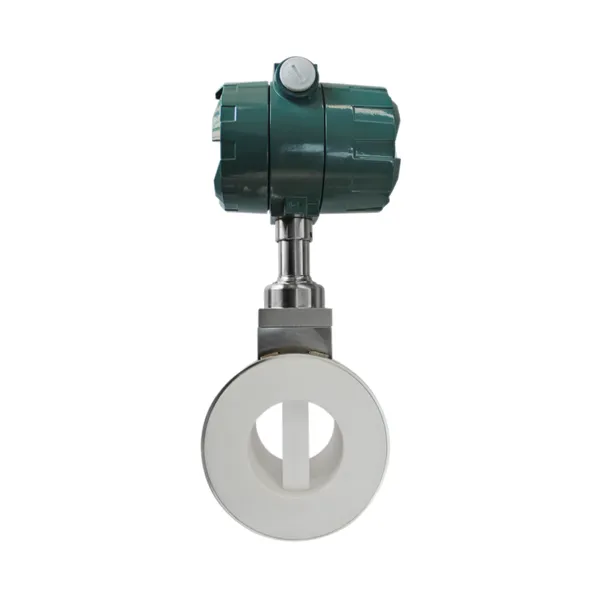
Advanced Digital Vortex Flow Meter for Accurate Water and Liquid MeasurementNegotiableMOQ: 10 Pieces
-
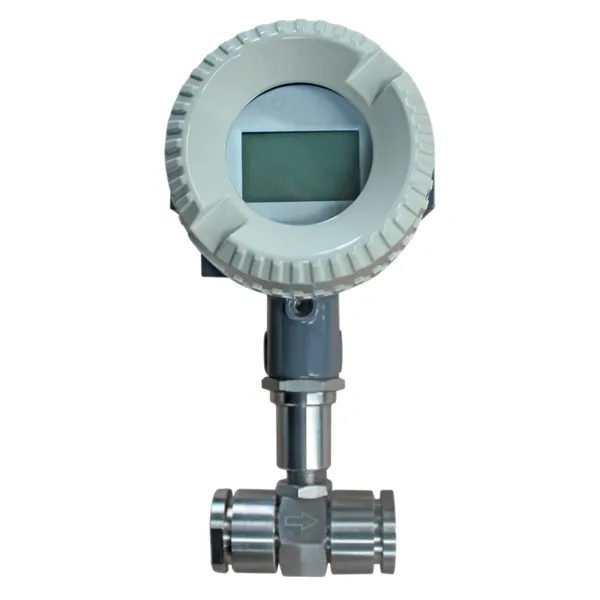
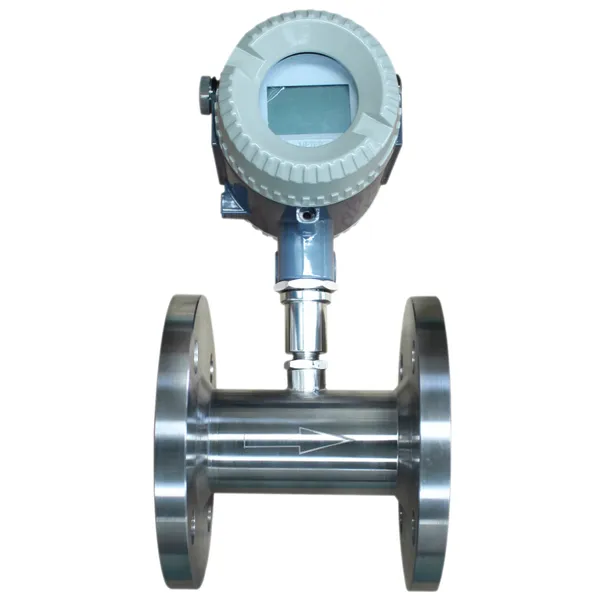
DN50 304 Stainless Steel Turbine Flowmeter for Diesel Oil MeasurementNegotiableMOQ: 10 Units
-
Low-Temperature Turbine Flowmeter for Liquid Nitrogen Applications in Cryogenic SystemsNegotiableMOQ: 10 Units
-
Industrial UV Disinfection Machine for Food & Beverage Industry - UVTunnelTM Tech, 1-40℃ Working TempNegotiableMOQ: 1 Set
-
C 7635 High-purity Water Conductivity Transmitter With Automatic Temperature Compensation 0-100°CNegotiableMOQ: 1 Set
-
C 3655 Conductivity Meter Output Conductivity Transmitter With IP65 Waterproof HousingNegotiableMOQ: 1 Set
-
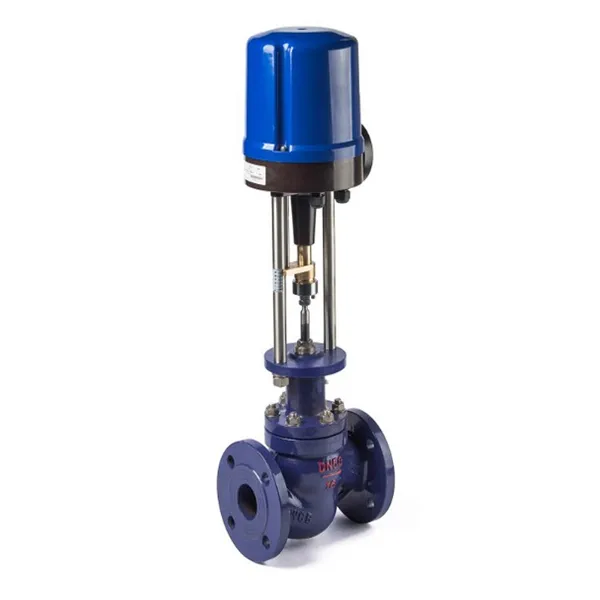
High Performance Electric Regulating Valve for Environmental Protection Water Treatment SystemsNegotiableMOQ: 1 Piece
-
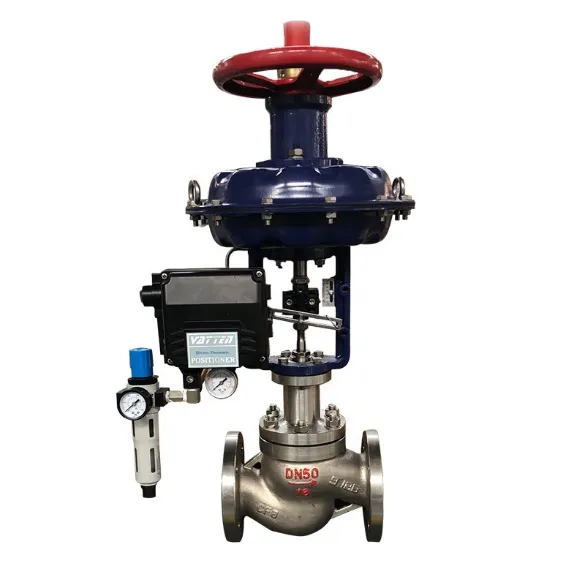
High Quality Pneumatic Control Valve for Chemical Pharmaceutical Industry Chinese Strong Factory With Spot StockNegotiableMOQ: 1 Piece
-
Pneumatic or Electric Actuator Compatible Full Fluorine-Lined Butterfly Valve With On/Off and Smart Regulating OptionsNegotiableMOQ: 1 Set
-
Powder Conveying Specialized Pneumatic Y-Type Ball Valve, Full Bore Design With No Dead Space for Clean MediaNegotiableMOQ: 1 Set
-
Manual, Pneumatic, or Electric Flanged Ball Valve With ISO5211 High Platform, Easy 90-Degree Operation for Fluid ControlNegotiableMOQ: 1 Set
-
Zero Leakage Full Fluorine-Lined Butterfly Valve Featuring Superior Corrosion Resistance and Long Service LifeNegotiableMOQ: 1 Set
-
Bottom Discharge Valve VTF-88-3 Series, DN25-DN300, Stainless Steel 316L/Carbon Steel, PN10/PN16 Class 150, Manual or Pneumatic ActuationNegotiableMOQ: 1 Set
-
Cost-Effective Knife Gate Valve With Rigid/Elastic Gate Options - Ensures Tight Shutoff and High Performance in Diverse Industrial SettingsNegotiableMOQ: 1 Set
-
FLS PH/ORP 200 Epoxy Resin Body Glass Bulb Electrode (Single-Junction/Double-Junction Versions)NegotiableMOQ: 100 Pieces
-
FLS F3.20 Flow Sensor Optimized for HVAC Systems, Cooling Units, and Boiler Feed Water, Featuring Low Maintenance and High Precision AccuracyNegotiableMOQ: 100 Pieces
-
FLS F3.80 Oval Gear Flow Sensor – High Precision for High-Viscosity Liquids (10-150L/h, IP65)NegotiableMOQ: 100 Pieces