
 Business License

How Control Valve Components Impact System Safety and Operational Efficiency
Control valves are fundamental to modern industrial processes, yet their complexity is often underestimated. These devices are the final control elements in most process control loops, directly influencing fluid flow, pressure, and temperature. A failure in a single valve component can lead to operational inefficiencies, costly downtime, and significant safety hazards. Understanding how these components work together is essential for any professional involved in system design, operation, or maintenance.
This guide provides a comprehensive overview of control valve components, their functions, and their collective impact on system safety and operational efficiency. We will break down the essential parts of a control valve, from the actuator to the valve body, and explore how they contribute to precise process control. You will gain insights into different valve types, the critical role of positioners, and how to select the right valve for your specific application. By the end, you'll have a clear understanding of how to optimize your systems for better performance and enhanced safety.
Understanding Control Valve Components
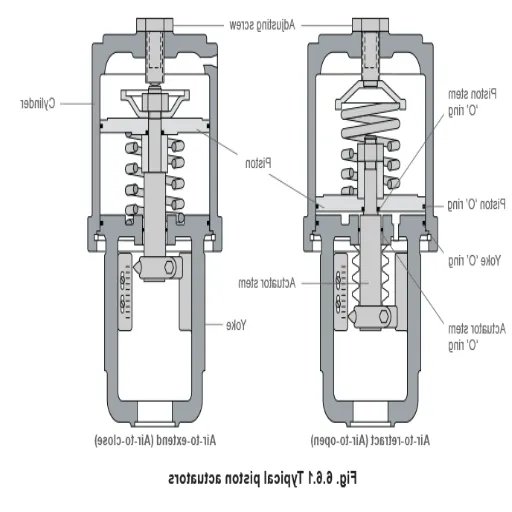
Main Components of a Control Valve
A control valve is broadly composed of three primary assemblies:
Valve Body Assembly: This is the main part of the valve that contains the fluid. It includes the valve body itself, the bonnet, and the trim (which consists of the plug, seat, and stem).
Actuator Assembly: The actuator is the powerhouse of the valve. It provides the force needed to move the valve's internal components, thereby opening, closing, or modulating the flow.
Positioner and Accessories: These devices enhance the valve's performance. A positioner, for example, ensures the valve reaches the exact position dictated by the control signal.
Detailed Breakdown of Valve Components
Let's look closer at the individual parts within these main assemblies.
Actuator: This component converts an energy source (pneumatic, electric, or hydraulic) into the mechanical motion required to operate the valve. The most common type is the pneumatic actuator, which uses compressed air to move a diaphragm or piston.
Valve Body: The valve body is the primary pressure-containing structure. It houses the internal trim and forms the main passageway for fluid flow. It must be robust enough to withstand the pressure and temperature of the process fluid.
Trim: The trim includes the parts that are in direct contact with the process fluid and directly control its flow.
Stem: The stem connects the actuator to the valve plug, transmitting the actuator's force to modulate the flow.
Plug (or Disc): This is the movable part that fits into the valve seat. Its shape and position determine the flow rate through the valve. Different plug designs offer different flow characteristics (e.g., linear, equal percentage).
Seat: The seat is the stationary part of the valve body where the plug rests when the valve is closed, forming a seal to prevent leakage.
Bonnet: The bonnet is the cover for the opening in the valve body. It supports the stem and actuator and contains the packing, which prevents fluid from leaking along the stem.
Packing: This sealing system is located in the bonnet and surrounds the stem. It consists of rings of material that are compressed to create a tight seal, preventing the process fluid from escaping into the atmosphere.
Role of Positioners in Control Valves
A positioner is a critical device that improves the accuracy and responsiveness of a control valve. It acts as a feedback controller, comparing the control signal from the main process controller to the actual position of the valve stem. If there is a discrepancy, the positioner adjusts the pressure to the actuator until the valve reaches the desired position. This ensures precise flow control, overcoming issues like friction, pressure imbalances, and hysteresis.
Types of Control Valves and Their Applications
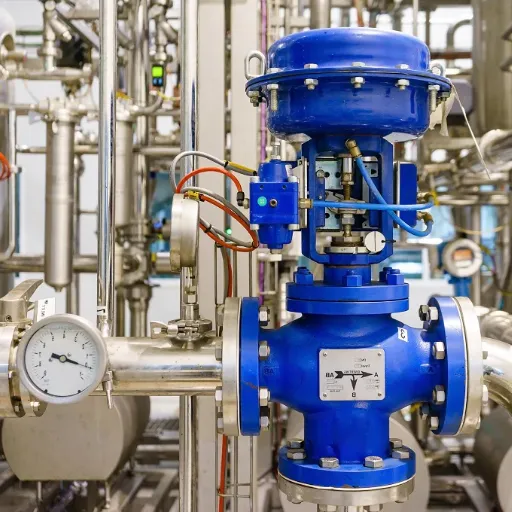
Different Control Valve Types Explained
Control valves are primarily categorized by the motion of the valve stem (linear or rotary) and the shape of the closure member.
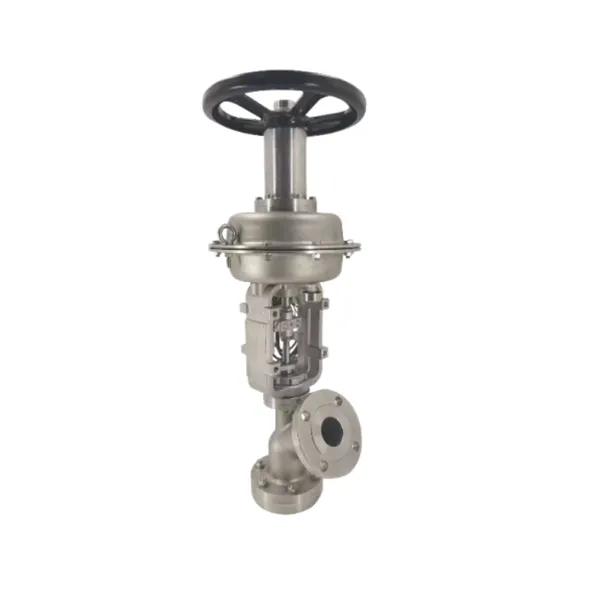
Globe Valves: These are linear motion valves that use a plug moving perpendicular to the valve seat. They are excellent for throttling and precise flow regulation but create a higher pressure drop compared to other types.
Ball Valves: A rotary motion valve, the ball valve uses a spherical closure member with a bore through it. A quarter-turn of the stem aligns the bore with the pipe for full flow or turns it perpendicular to block flow. They offer excellent shutoff capabilities and low pressure drop but are less suited for precise throttling.
Butterfly Valves: Another rotary type, the butterfly valve uses a disc that rotates on a central axis. Like ball valves, they provide quick, quarter-turn operation and low pressure drop. They are often used for on/off and modulating services in large-diameter pipelines.
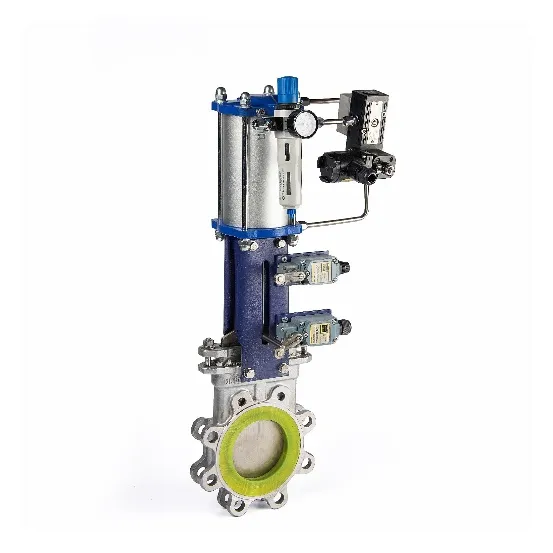
Gate Valves: These linear motion valves use a flat gate that slides between two seats. They are designed primarily for on/off service, as they offer minimal flow restriction when fully open but are not suitable for throttling.
Diaphragm Valves: These valves use a flexible diaphragm to control flow. The diaphragm is pressed against a weir or seat to shut off the flow. They are ideal for corrosive or slurry applications because the process fluid is isolated from the other valve components.
Common Applications of Control Valves
Control valves are ubiquitous across industries:
Oil and Gas: Managing pressure, flow, and temperature in pipelines, refineries, and processing plants.
Chemical Processing: Regulating the flow of reactive and corrosive chemicals to ensure product quality and safety.
Power Generation: Controlling the flow of steam and water in boilers and turbines to manage power output.
Water and Wastewater Treatment: Regulating water flow, chemical dosing, and pressure management in treatment facilities.
Food and Beverage: Ensuring precise control of ingredients and process temperatures to maintain consistency and hygiene.
Choosing the Right Control Valve for Your Application
Selecting the correct valve involves several considerations:
Process Fluid: Consider its properties—is it corrosive, erosive, a slurry, or a clean liquid? This affects material selection.
Pressure and Temperature: The valve must be rated to handle the operating and maximum pressures and temperatures of the system.
Flow Characteristics: Determine if the application requires on/off control or precise throttling. This will guide the choice between valve types (e.g., gate vs. globe).
Shutoff Requirements: How tight does the seal need to be? Some applications require bubble-tight shutoff, while others can tolerate minor leakage.
Sizing: The valve must be correctly sized to handle the required flow rate without causing excessive pressure drop or cavitation.
Operation and Efficiency of Control Valves
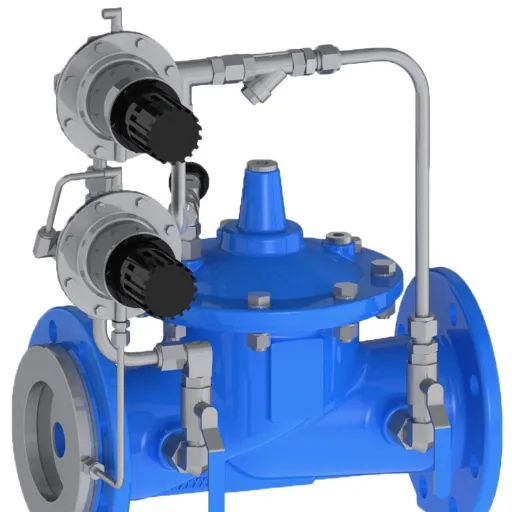
How Control Valves Work in Systems
In a typical control loop, a sensor (like a pressure transmitter or temperature probe) measures a process variable. This measurement is sent to a controller (e.g., a PLC or DCS), which compares it to a desired setpoint. If there's a difference, the controller sends a corrective signal to the control valve's positioner. The positioner then directs the actuator to move the valve plug, adjusting the flow to bring the process variable back to the setpoint. This continuous feedback loop allows for automated and precise control of industrial processes.
Impact of Proper Control Valve Operation on Efficiency
A well-functioning control valve enhances efficiency in several ways:
Energy Savings: By precisely controlling flow and pressure, valves prevent pumps and other equipment from working harder than necessary, reducing energy consumption.
Product Quality: Consistent control of variables like temperature and flow ensures uniform product quality and reduces waste.
Reduced Downtime: Reliable valve operation minimizes process upsets and the need for manual intervention, leading to higher plant uptime.
Resource Optimization: Accurate control of materials and reactants ensures they are used efficiently, lowering operational costs.
Ensuring System Safety with Control Valves
Control valves are also critical safety devices. They can be designed to fail in a specific position—"fail-open" or "fail-close"—to ensure the system returns to a safe state in the event of a power or signal loss. For example, a valve controlling coolant flow to a reactor might be designed to fail-open to prevent overheating, while a valve supplying a volatile chemical might fail-close to stop the flow. Regular maintenance and testing are crucial to ensure this safety function remains reliable.
Enhancements and Accessories for Control Valves
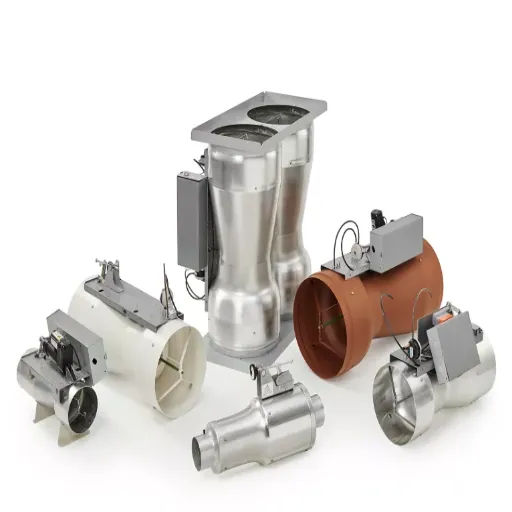
Control Valve Accessories Overview
Positioners: As discussed, these ensure the valve accurately follows the control signal. Smart positioners also offer advanced diagnostics.
Solenoid Valves: These are used for on/off control, often to override the primary control signal in an emergency shutdown (ESD) system.
Limit Switches: These devices provide feedback to the control system, confirming that the valve has reached its fully open or fully closed position.
Volume Boosters: Used with large pneumatic actuators, these increase the speed of the valve's response by supplying a larger volume of air.
Air Filter Regulators: These ensure a clean, dry supply of compressed air at the correct pressure for the actuator and positioner, preventing damage and ensuring consistent operation.
Improving Control System Performance
Integrating these accessories allows for a more robust and responsive control system. For instance, a smart positioner can monitor valve performance over time, detecting issues like increased friction or seat leakage before they cause a process upset. This data can be used for predictive maintenance, allowing teams to address problems proactively.
Future Trends in Control Valve Technology
The field of control valve technology is continually advancing, driven by the demand for greater efficiency, safety, and integration with digital systems. Key trends include:
Smart Technology and IIoT: Valves are increasingly equipped with smart positioners and sensors that collect and transmit performance data. This integration with the Industrial Internet of Things (IIoT) enables remote monitoring, advanced diagnostics, and predictive maintenance.
Advanced Materials: New alloys and composites are being developed to create valves that can withstand more extreme temperatures, pressures, and corrosive environments.
Additive Manufacturing (3D Printing): This technology allows for the creation of complex valve components with optimized flow paths and reduced weight, leading to improved performance and efficiency.
Recently Posted
-
Understanding the Functions of Suction Valve and Discharge Valve in Pump Systems
December 18, 2025Industrial pump systems rely on precise mechanical coordination to transport fluids effectively. At the heart of this process are Read More
 -
Exploring Advanced Technologies in Air Compressor Discharge Valve Manufacturing
December 17, 2025The efficiency of any pneumatic system relies heavily on the performance of its smallest components. Among these, the air compress Read More
 -
Exploring Different Discharge Valve Types for Efficient Fluid Flow Management
December 16, 2025Industrial systems rely heavily on precision components to maintain safety, efficiency, and operational integrity. Among these com Read More
 -
How the Discharge Valve AC Affects Performance and Longevity of Cooling Systems
December 15, 2025The efficiency of any air conditioning system relies heavily on the precise coordination of its internal components. While the com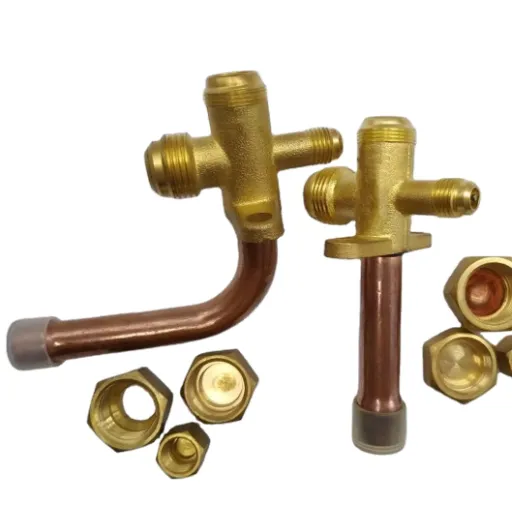 Read More

Contact Us
Recommended Products
-
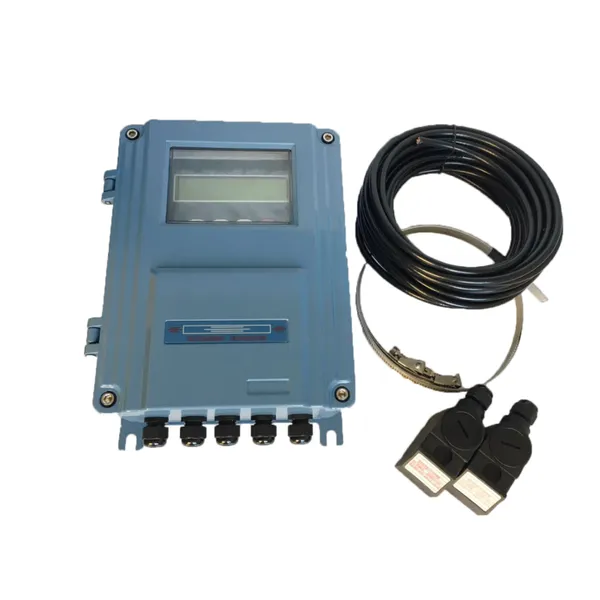
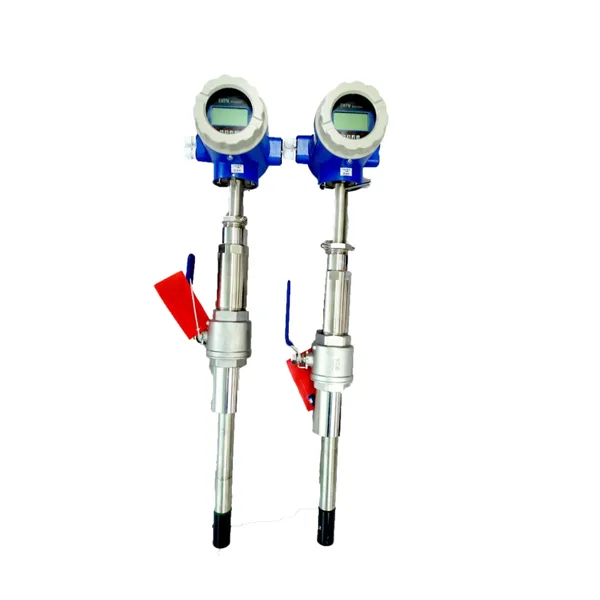
 DN1000 Insertion Type Ultrasonic Flow Meter for Clean Water Pure WaterNegotiableMOQ: 100 Sets
 -
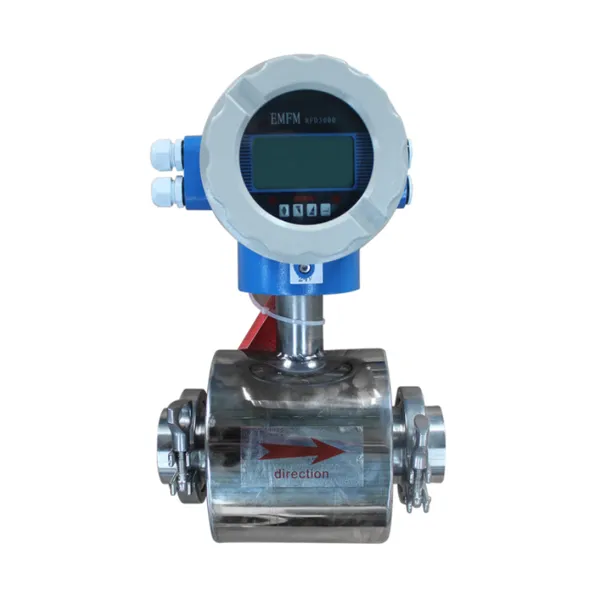
Advanced Electromagnetic Flowmeter With Integrated Liquid Measurement TechnologyNegotiableMOQ: 10 Units
-
High Precision Electromagnetic Flow Meter for Southeast Asia Export - Easy Installation & Reliable After-SaleNegotiableMOQ: 10 Units
-
Advanced Digital Vortex Flow Meter for Accurate Water and Liquid MeasurementNegotiableMOQ: 10 Pieces
-
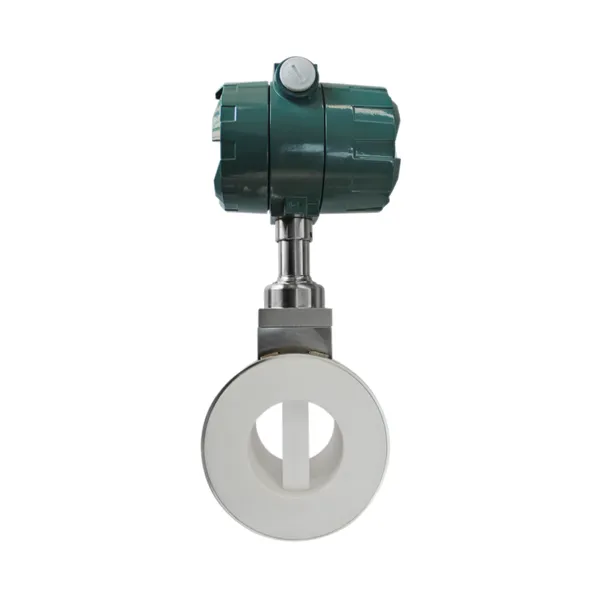
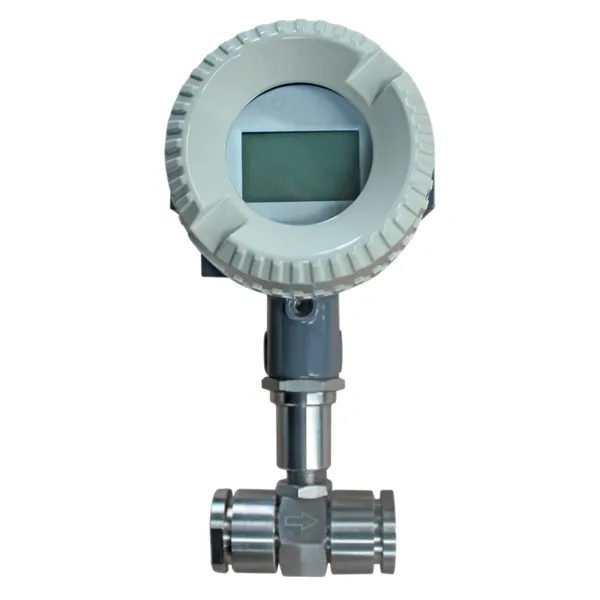
DN50 304 Stainless Steel Turbine Flowmeter for Diesel Oil MeasurementNegotiableMOQ: 10 Units
-
Low-Temperature Turbine Flowmeter for Liquid Nitrogen Applications in Cryogenic SystemsNegotiableMOQ: 10 Units
-
Industrial UV Disinfection Machine for Food & Beverage Industry - UVTunnelTM Tech, 1-40℃ Working TempNegotiableMOQ: 1 Set
-
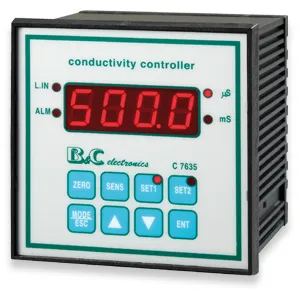
C 7635 High-purity Water Conductivity Transmitter With Automatic Temperature Compensation 0-100°CNegotiableMOQ: 1 Set
-
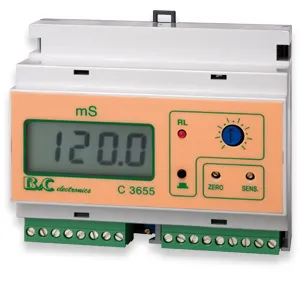
C 3655 Conductivity Meter Output Conductivity Transmitter With IP65 Waterproof HousingNegotiableMOQ: 1 Set
-
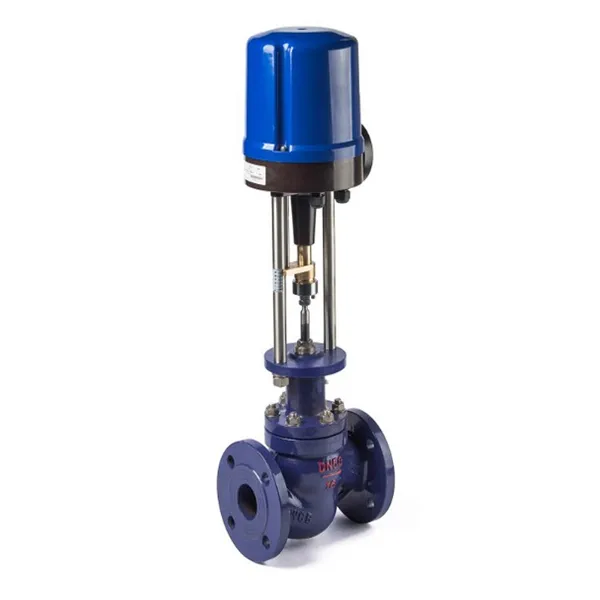
High Performance Electric Regulating Valve for Environmental Protection Water Treatment SystemsNegotiableMOQ: 1 Piece
-
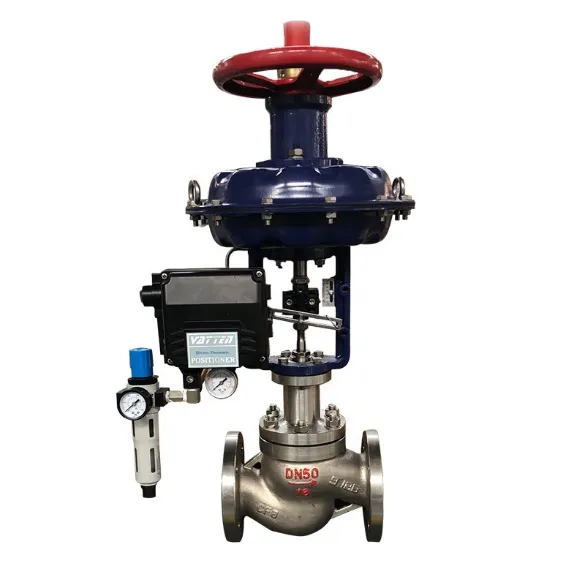
High Quality Pneumatic Control Valve for Chemical Pharmaceutical Industry Chinese Strong Factory With Spot StockNegotiableMOQ: 1 Piece
-
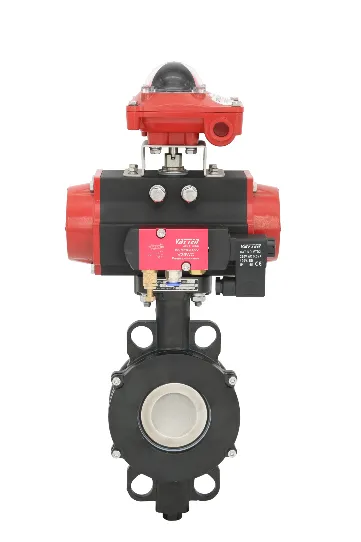
Pneumatic or Electric Actuator Compatible Full Fluorine-Lined Butterfly Valve With On/Off and Smart Regulating OptionsNegotiableMOQ: 1 Set
-
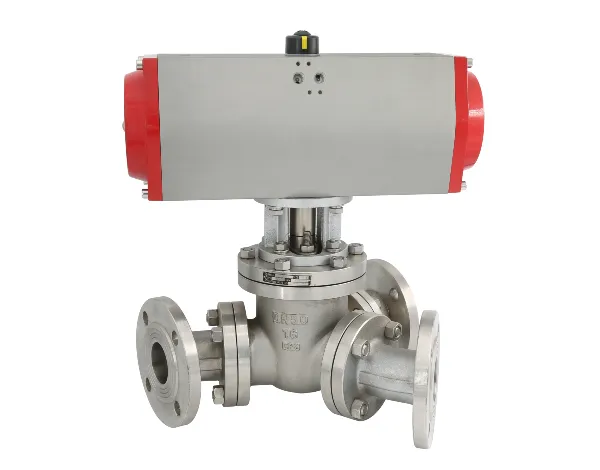
Powder Conveying Specialized Pneumatic Y-Type Ball Valve, Full Bore Design With No Dead Space for Clean MediaNegotiableMOQ: 1 Set
-
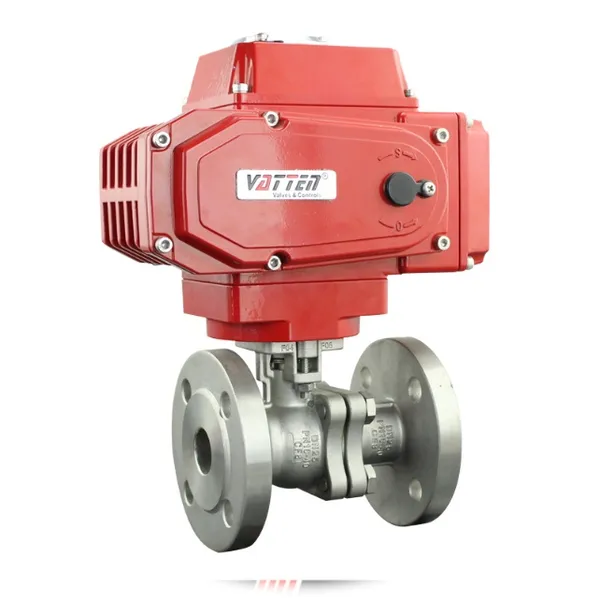
Manual, Pneumatic, or Electric Flanged Ball Valve With ISO5211 High Platform, Easy 90-Degree Operation for Fluid ControlNegotiableMOQ: 1 Set
-
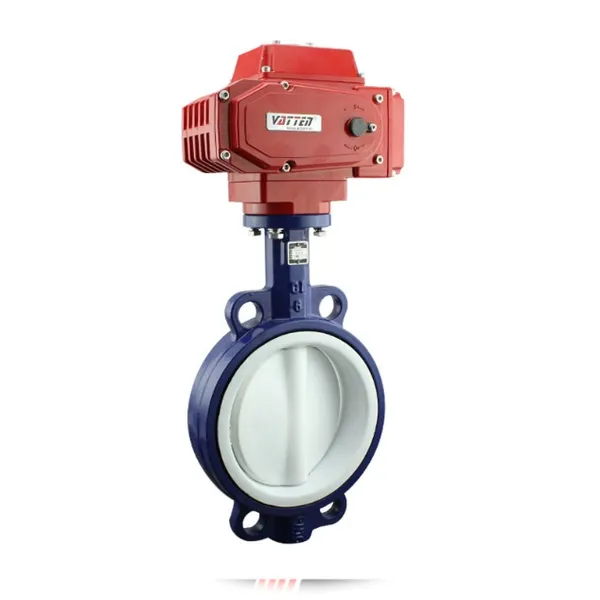
Zero Leakage Full Fluorine-Lined Butterfly Valve Featuring Superior Corrosion Resistance and Long Service LifeNegotiableMOQ: 1 Set
-
Bottom Discharge Valve VTF-88-3 Series, DN25-DN300, Stainless Steel 316L/Carbon Steel, PN10/PN16 Class 150, Manual or Pneumatic ActuationNegotiableMOQ: 1 Set
-
Cost-Effective Knife Gate Valve With Rigid/Elastic Gate Options - Ensures Tight Shutoff and High Performance in Diverse Industrial SettingsNegotiableMOQ: 1 Set
-
FLS PH/ORP 200 Epoxy Resin Body Glass Bulb Electrode (Single-Junction/Double-Junction Versions)NegotiableMOQ: 100 Pieces
-
FLS F3.20 Flow Sensor Optimized for HVAC Systems, Cooling Units, and Boiler Feed Water, Featuring Low Maintenance and High Precision AccuracyNegotiableMOQ: 100 Pieces
-
FLS F3.80 Oval Gear Flow Sensor – High Precision for High-Viscosity Liquids (10-150L/h, IP65)NegotiableMOQ: 100 Pieces