
 Business License

Exploring the Key Functions and Benefits of a Flow Control Valve in Systems
Flow control valves are fundamental components in countless industrial and commercial systems, regulating fluid flow to ensure efficiency, safety, and reliability. From large-scale water treatment plants to the HVAC systems in our homes, these devices play a critical role. Understanding their function is key to appreciating the complex engineering that underpins modern infrastructure.
This guide explores the essential functions and benefits of flow control valves. We will cover their basic working principles, the different types available, and their wide-ranging applications across various industries. By the end, you will have a comprehensive understanding of how these valves contribute to the seamless operation of systems we rely on daily.
What is a Flow Control Valve?
Definition and Basic Working Principle
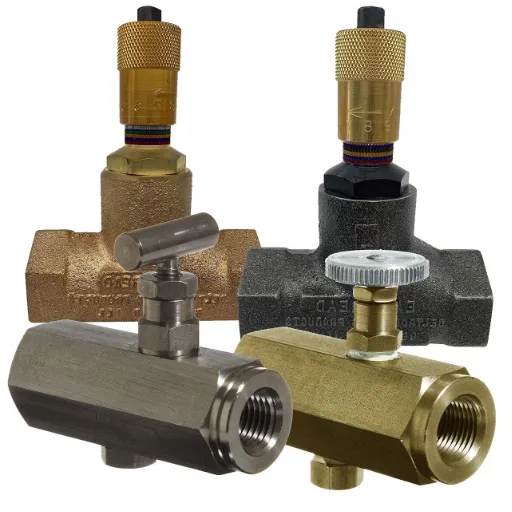
At its core, a flow control valve operates by creating a variable restriction in a pipeline. The basic principle involves altering the cross-sectional area through which the fluid travels. When the valve is opened, the area increases, allowing more fluid to pass. Conversely, when it is closed, the area decreases, restricting the flow. This simple mechanism allows precise control of flow rate, pressure, and, in some applications, temperature.
The operation can be manual, with an operator turning a handle or wheel, or automated using an actuator. Actuators can be electric, pneumatic, or hydraulic, and they respond to signals from a control system, such as a PLC (Programmable Logic Controller) or a DCS (Distributed Control System), to automatically make adjustments.
Key Components of a Flow Control Valve
While designs vary, most flow control valves share a standard set of components that work together to regulate flow.
Valve Body: The main outer casing of the valve that contains all the internal parts. It connects to the pipeline and must be strong enough to withstand the fluid's pressure and temperature.
Bonnet: The bonnet is the cover for the opening in the valve body. It supports the internal components and can be removed for maintenance or inspection.
Trim: The trim consists of the parts that are in direct contact with the fluid and are responsible for controlling its flow. This includes the disc (or plug), the seat, the stem, and the sleeve.
Disc (Plug): This is the movable element that obstructs the flow path. The disc shape is critical, as it determines the valve's flow characteristics.
Seat: The seat provides a surface for the disc to seal against when the valve is closed, preventing leakage.
Stem: The stem connects the actuator to the disc, transmitting the motion required to open or close the valve.
Actuator: The mechanism that operates the stem and disc. It can be a simple handwheel for manual control or a more complex automated device.
Types of Flow Control Valves
Flow control valves are categorized based on their design and method of operation. Each type is suited for specific applications and offers unique advantages.
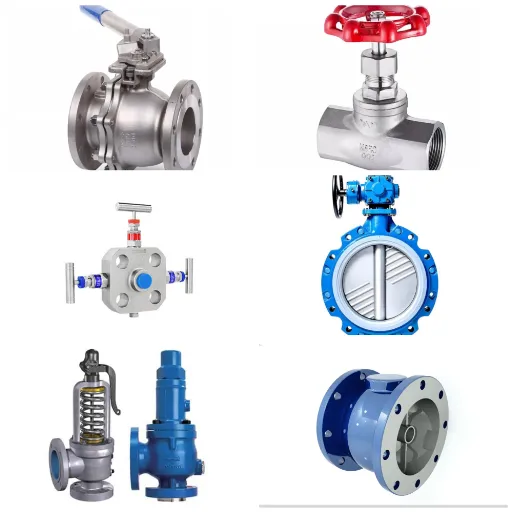
Gate Valves: These valves use a flat gate-like barrier that slides up and down to open or close the flow path. They are best suited for on/off applications where the valve is either fully open or fully closed, as they are not designed for precise throttling.
Globe Valves: Globe valves feature a spherical body and a movable disc that moves perpendicular to the seat. Their design enables excellent throttling, making them ideal for regulating flow with high precision.
Ball Valves: A ball valve uses a spherical closure unit with a bore through it. A quarter-turn of the valve stem aligns the bore with the pipeline to allow flow or turns it perpendicular to block flow. They offer quick shut-off and are reliable, but their throttling capabilities can be limited.
Butterfly Valves: These valves use a circular disc that rotates on a central axis. Like ball valves, they are quick-acting and require only a quarter-turn to go from fully open to fully closed. They are lightweight, compact, and often used in large-diameter pipes.
Needle Valves: Needle valves are a type of globe valve with a slender, tapered point on the end of the valve stem. This "needle" allows for excellent and precise control of the flow rate, making them suitable for low-flow applications and instrumentation.
Diaphragm Valves: These valves use a flexible diaphragm to control flow. They are excellent for handling corrosive, erosive, and dirty fluids because the operating mechanism is isolated from the fluid stream.
Key Functions of a Flow Control Valve
Regulating Fluid Flow for System Efficiency
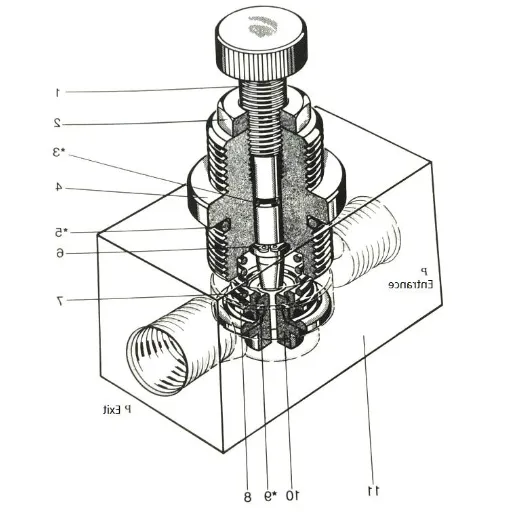
The primary function of a flow control valve is to manage the rate of fluid flow. In industrial processes, precise control of liquid or gas flow is often necessary to maintain product quality, optimize reactions, or ensure consistent output. For example, in a chemical plant, a flow control valve might regulate the flow of reactants into a reactor to control the speed and outcome of a chemical process. By maintaining the flow rate at a specific setpoint, these valves ensure the system operates at peak efficiency.
Maintaining Pressure Balance in Pipelines
Flow control valves are also used to manage pressure within a system. By restricting flow, a valve can create a pressure drop, which can be used to balance pressures in different parts of a pipeline network. This is crucial in applications like water distribution systems, where maintaining consistent pressure is necessary to ensure reliable service to all users. A valve can prevent pressure from becoming too high in lower-elevation areas or boost it where needed.
Enhancing Safety by Preventing System Overload
Safety is a paramount concern in any fluid handling system. Flow control valves contribute significantly to system safety by preventing over-pressurization and system overload. Suppose the pressure in a pipeline exceeds a safe limit. In that case, a pressure relief valve (a type of flow control valve) can automatically open to vent the excess pressure, protecting equipment and personnel from catastrophic failure. Similarly, they can limit flow to prevent pumps or other equipment from being overwhelmed, which could lead to damage or failure.
Benefits of Using a Flow Control Valve
Improved Energy Efficiency in Systems
In systems that use pumps or compressors, flow control valves can significantly improve energy efficiency. By precisely matching the flow rate to the system's demand, these valves help reduce pump workload. For example, in an HVAC system, controlling chilled-water flow based on a building's cooling demand can lead to substantial energy savings. Instead of running pumps at full capacity continuously, the flow can be modulated, reducing electricity consumption and operational costs.
Prolonged Equipment Lifespan Through Controlled Flow
Uncontrolled flow can cause significant wear and tear on system components. High-velocity fluids can lead to erosion, while pressure surges (water hammer) can cause catastrophic damage to pipes, pumps, and fittings. Flow control valves help mitigate these issues by maintaining a steady, controlled flow rate. This reduces stress on the equipment, minimizes erosion and corrosion, and prevents damaging pressure fluctuations. As a result, the lifespan of expensive equipment is extended, reducing maintenance costs and downtime.
Enhanced System Performance and Reliability
The ability to precisely control flow and pressure results in more stable, reliable system operation. In manufacturing processes, this translates to consistent product quality and higher yields. In utilities like water and power, it ensures a dependable supply. By maintaining optimal operating conditions, flow control valves prevent system upsets and failures, enhancing overall performance and reliability. This predictability is essential for mission-critical applications where downtime is not an option.
Applications of Flow Control Valves in Various Systems
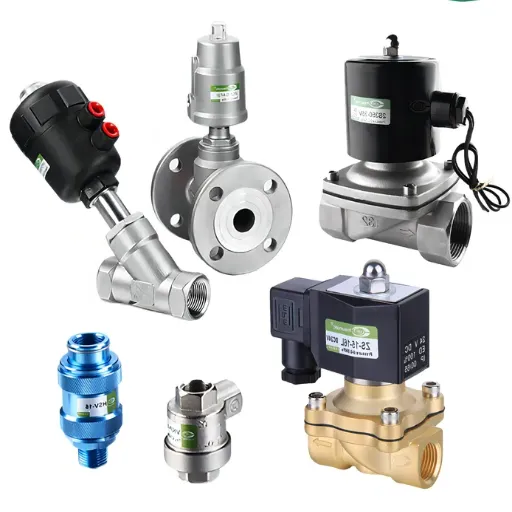
HVAC Systems: Ensuring Optimal Temperature Control
In Heating, Ventilation, and Air Conditioning (HVAC) systems, flow control valves are essential for regulating the flow of hot or chilled water to heat exchangers and air handlers. By modulating the flow, these valves control the amount of heating or cooling delivered to a space, ensuring that the temperature remains at the desired setpoint. This not only provides comfort but also optimizes energy consumption.
Hydraulic Systems: Managing Fluid Power Effectively
Hydraulic systems use pressurized fluid to generate, control, and transmit power. Flow control valves are critical for managing the speed of hydraulic actuators, such as cylinders and motors. By regulating the amount of hydraulic fluid that flows to these components, operators can precisely control the speed of movement. This is vital in machinery like construction equipment, manufacturing presses, and aircraft control systems.
Water Treatment Plants: Regulating Water Flow and Pressure
In water treatment plants, flow control valves are used at every stage of the process. They control the flow of raw water into the plant, regulate the addition of treatment chemicals, manage the flow through filtration and disinfection processes, and control the distribution of treated water into the public supply network. Precise control of flow and pressure is necessary to ensure the effectiveness of treatment processes and the safe, efficient delivery of clean water.
Recently Posted
-
Understanding the Functions of Suction Valve and Discharge Valve in Pump Systems
December 18, 2025Industrial pump systems rely on precise mechanical coordination to transport fluids effectively. At the heart of this process are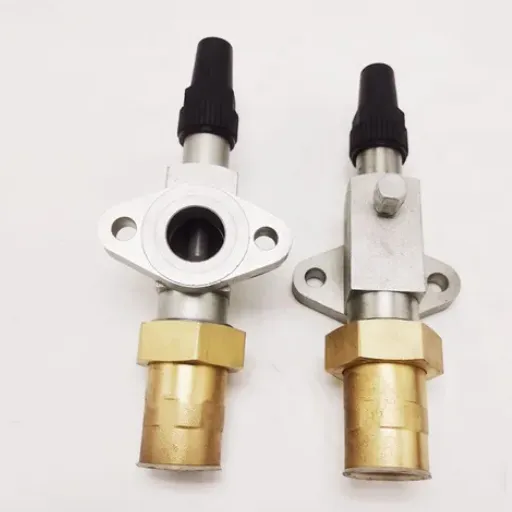 Read More
 -
Exploring Advanced Technologies in Air Compressor Discharge Valve Manufacturing
December 17, 2025The efficiency of any pneumatic system relies heavily on the performance of its smallest components. Among these, the air compress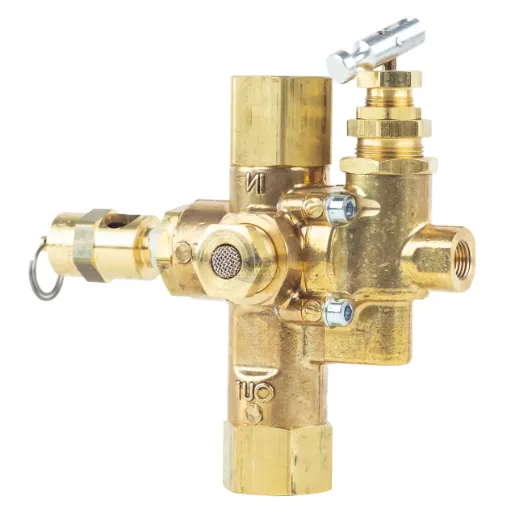 Read More
 -
Exploring Different Discharge Valve Types for Efficient Fluid Flow Management
December 16, 2025Industrial systems rely heavily on precision components to maintain safety, efficiency, and operational integrity. Among these com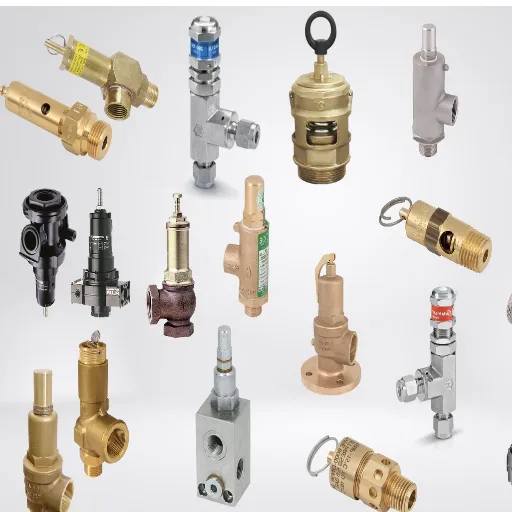 Read More
 -
How the Discharge Valve AC Affects Performance and Longevity of Cooling Systems
December 15, 2025The efficiency of any air conditioning system relies heavily on the precise coordination of its internal components. While the com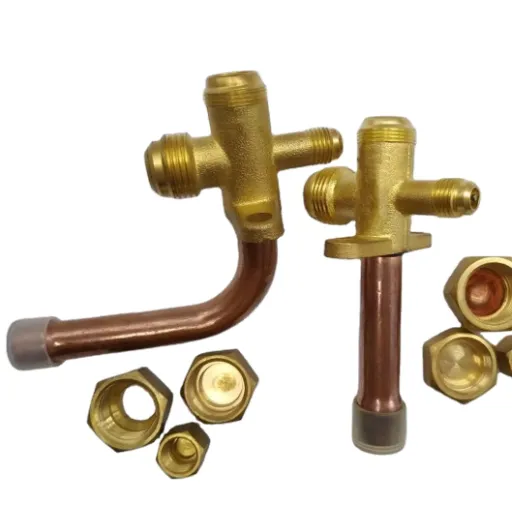 Read More

Contact Us
Recommended Products
-
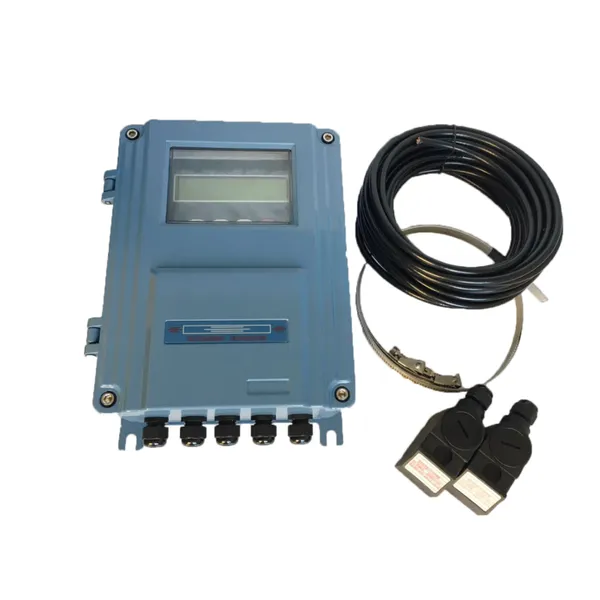
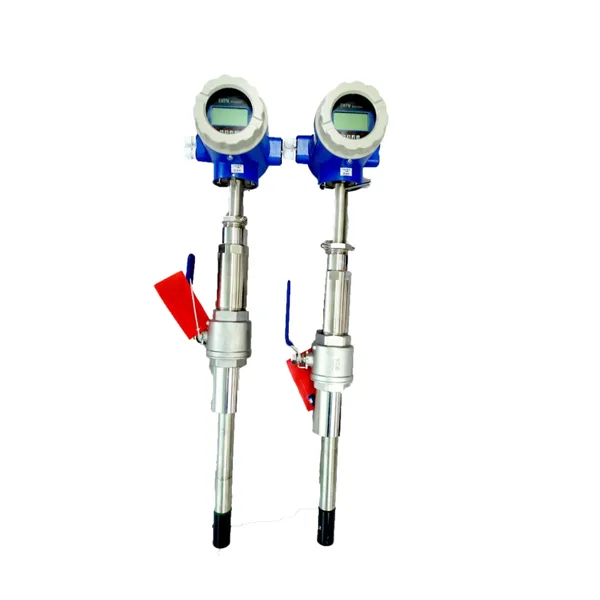
 DN1000 Insertion Type Ultrasonic Flow Meter for Clean Water Pure WaterNegotiableMOQ: 100 Sets
 -
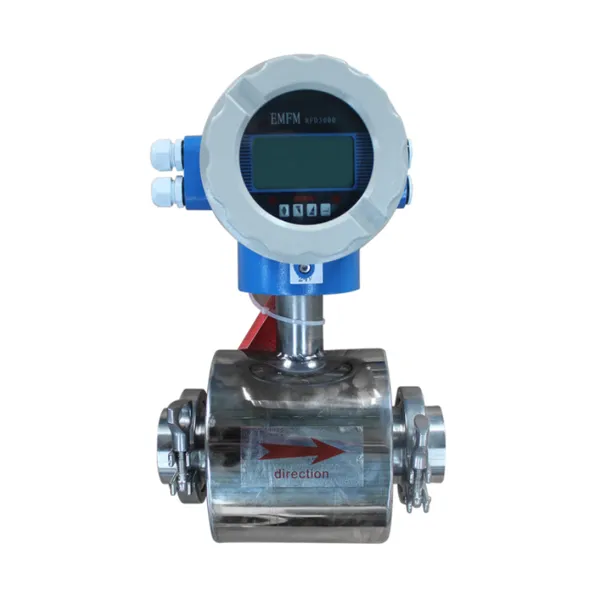
Advanced Electromagnetic Flowmeter With Integrated Liquid Measurement TechnologyNegotiableMOQ: 10 Units
-
High Precision Electromagnetic Flow Meter for Southeast Asia Export - Easy Installation & Reliable After-SaleNegotiableMOQ: 10 Units
-
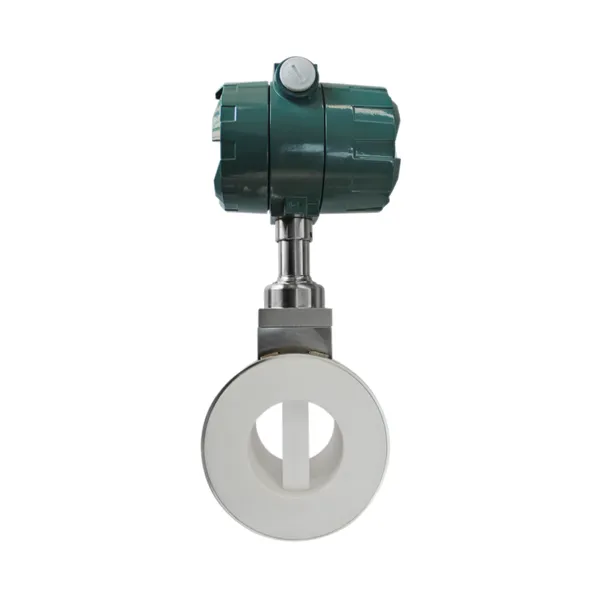
Advanced Digital Vortex Flow Meter for Accurate Water and Liquid MeasurementNegotiableMOQ: 10 Pieces
-
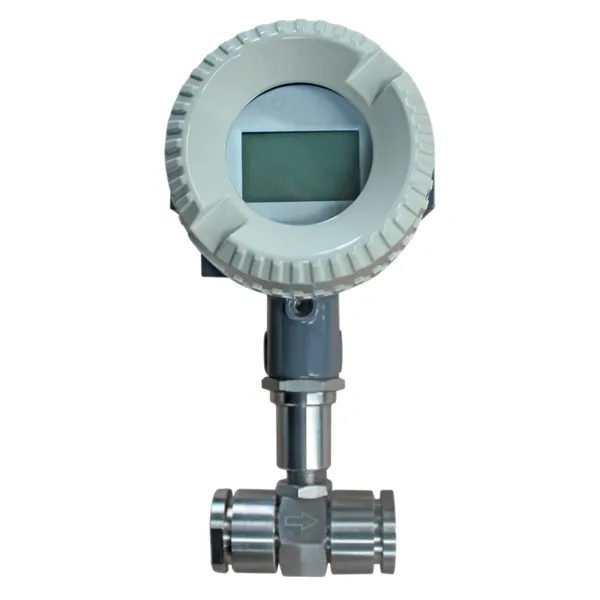
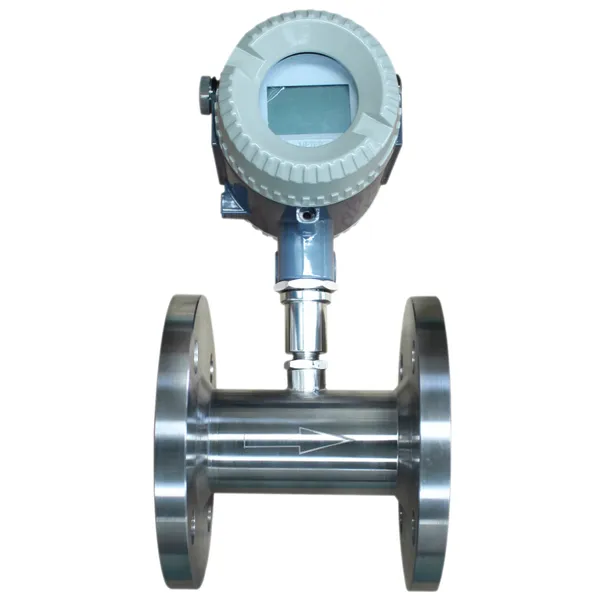
DN50 304 Stainless Steel Turbine Flowmeter for Diesel Oil MeasurementNegotiableMOQ: 10 Units
-
Low-Temperature Turbine Flowmeter for Liquid Nitrogen Applications in Cryogenic SystemsNegotiableMOQ: 10 Units
-
Industrial UV Disinfection Machine for Food & Beverage Industry - UVTunnelTM Tech, 1-40℃ Working TempNegotiableMOQ: 1 Set
-
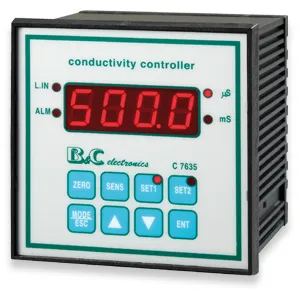
C 7635 High-purity Water Conductivity Transmitter With Automatic Temperature Compensation 0-100°CNegotiableMOQ: 1 Set
-
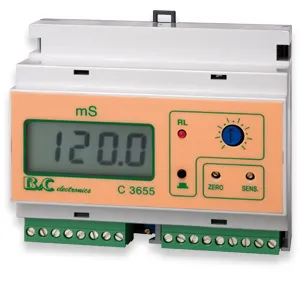
C 3655 Conductivity Meter Output Conductivity Transmitter With IP65 Waterproof HousingNegotiableMOQ: 1 Set
-
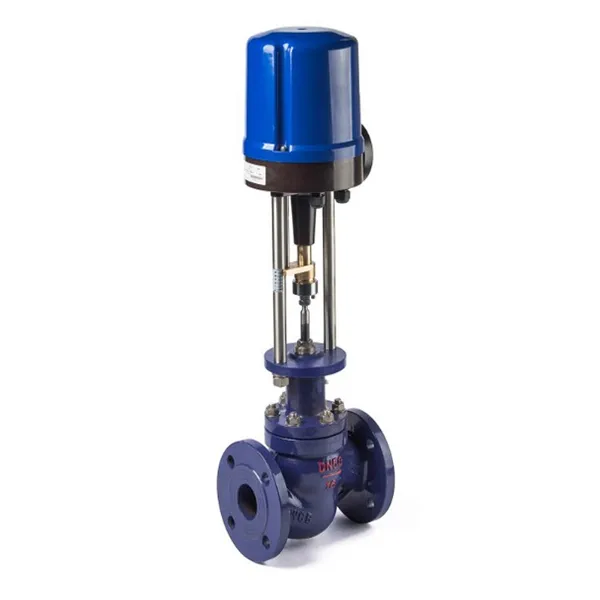
High Performance Electric Regulating Valve for Environmental Protection Water Treatment SystemsNegotiableMOQ: 1 Piece
-
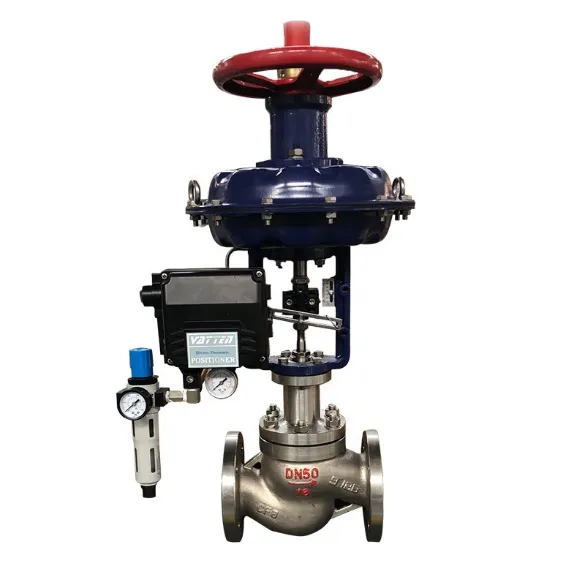
High Quality Pneumatic Control Valve for Chemical Pharmaceutical Industry Chinese Strong Factory With Spot StockNegotiableMOQ: 1 Piece
-
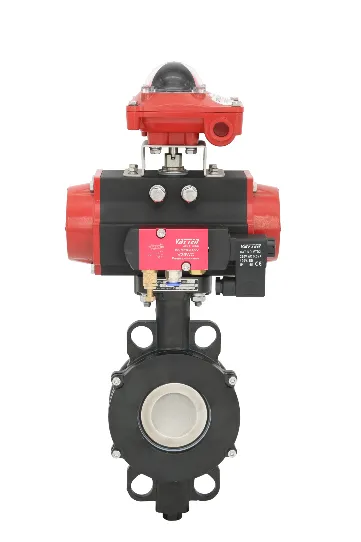
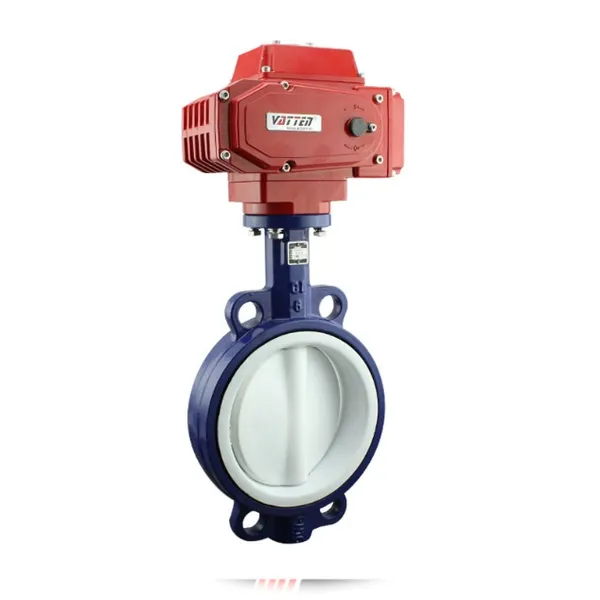
Pneumatic or Electric Actuator Compatible Full Fluorine-Lined Butterfly Valve With On/Off and Smart Regulating OptionsNegotiableMOQ: 1 Set
-
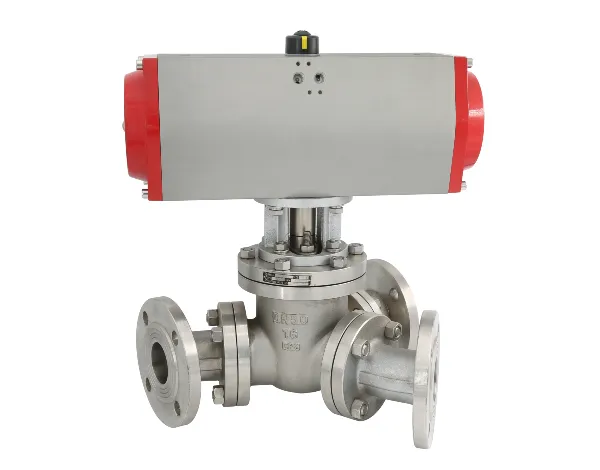
Powder Conveying Specialized Pneumatic Y-Type Ball Valve, Full Bore Design With No Dead Space for Clean MediaNegotiableMOQ: 1 Set
-
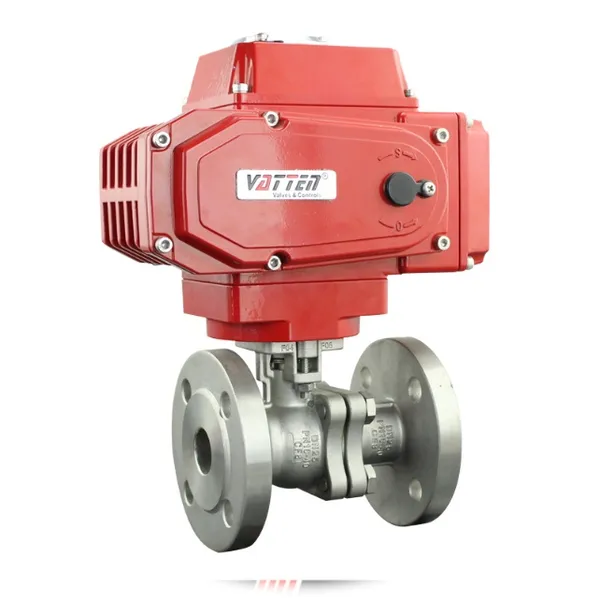
Manual, Pneumatic, or Electric Flanged Ball Valve With ISO5211 High Platform, Easy 90-Degree Operation for Fluid ControlNegotiableMOQ: 1 Set
-
Zero Leakage Full Fluorine-Lined Butterfly Valve Featuring Superior Corrosion Resistance and Long Service LifeNegotiableMOQ: 1 Set
-
Bottom Discharge Valve VTF-88-3 Series, DN25-DN300, Stainless Steel 316L/Carbon Steel, PN10/PN16 Class 150, Manual or Pneumatic ActuationNegotiableMOQ: 1 Set
-
Cost-Effective Knife Gate Valve With Rigid/Elastic Gate Options - Ensures Tight Shutoff and High Performance in Diverse Industrial SettingsNegotiableMOQ: 1 Set
-
FLS PH/ORP 200 Epoxy Resin Body Glass Bulb Electrode (Single-Junction/Double-Junction Versions)NegotiableMOQ: 100 Pieces
-
FLS F3.20 Flow Sensor Optimized for HVAC Systems, Cooling Units, and Boiler Feed Water, Featuring Low Maintenance and High Precision AccuracyNegotiableMOQ: 100 Pieces
-
FLS F3.80 Oval Gear Flow Sensor – High Precision for High-Viscosity Liquids (10-150L/h, IP65)NegotiableMOQ: 100 Pieces