
 Business License

Understanding Each Type of Control Valve Actuator and Their Industrial Applications
Control valve actuators are the unsung heroes of industrial automation, providing the critical force needed to operate valves that manage the flow of liquids and gases. Without these essential components, modern industrial processes would grind to a halt. From refineries to water treatment plants, actuators ensure that valves open, close, or modulate with precision, maintaining safety, efficiency, and control. Understanding the different types of actuators is crucial for selecting the right equipment for any given application.
This guide provides a comprehensive overview of control valve actuators. We will explain what they are, why they are important, and explore the different types available, including electric, pneumatic, and hydraulic systems. Furthermore, we will examine how these actuators pair with common control valves and outline the key factors to consider when making a selection, ensuring you have the information needed to optimize your industrial operations.
Introduction to Control Valve Actuators
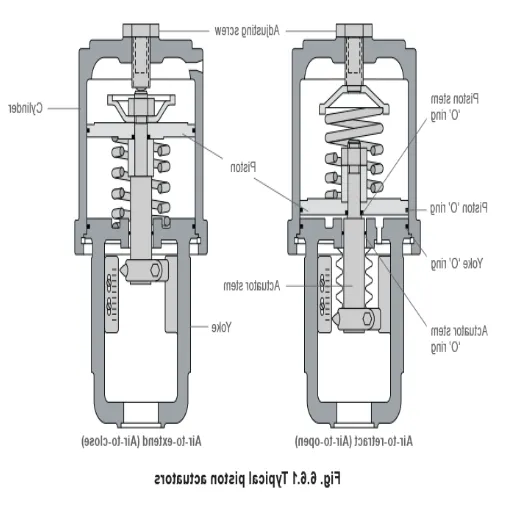
What is a Valve Actuator?
A valve actuator is a mechanical device that uses a power source to move the closing element—such as a gate, ball, or plug—of a valve. In simple terms, it's the "muscle" that operates the valve. While some valves can be operated manually with a handwheel or lever, actuators automate this process, allowing for remote control and precise positioning. This automation is essential in large-scale industrial settings where valves may be inaccessible, require significant force to operate, or need to respond quickly to system changes.
Importance of Control Valves in Industry
Control valves are fundamental to managing process variables like flow, pressure, temperature, and liquid level. They are the final control element in a process loop, executing the commands sent by a controller (like a PLC or DCS). The effectiveness of a control valve is heavily dependent on its actuator. A reliable and responsive actuator ensures that the valve can accurately adjust the flow to meet the desired setpoint. This precise control helps:
Improve product quality by maintaining consistent process conditions.
Enhance operational safety by enabling rapid shutdowns in emergencies.
Increase efficiency by optimizing the use of resources and energy.
Reduce manual labor and allow for centralized control of vast systems.
Overview of Different Types of Valve Actuators
Valve actuators are categorized based on their power source. The three primary types are:
Electric Actuators: Use an electric motor to generate torque.
Pneumatic Actuators: Use compressed air to create linear or rotary motion.
Hydraulic Actuators: Use pressurized fluid (typically oil) to generate high force.
Each type has distinct advantages and is suited for different industrial environments and applications. The choice depends on factors like required force, control precision, power availability, and operational costs.
Types of Valve Actuators
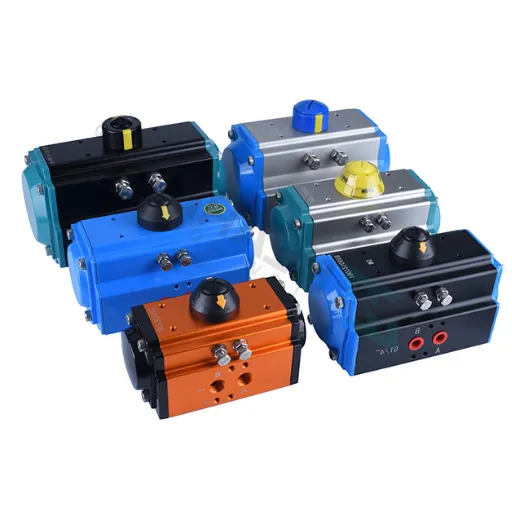
Electric Actuators: Mechanisms and Uses
Electric actuators convert electrical energy into mechanical torque. A typical electric actuator consists of an electric motor, a gearbox to reduce speed and increase torque, and a control system. They can provide either rotary motion for quarter-turn valves (like ball and butterfly valves) or linear motion for multi-turn valves (like gate and globe valves).
Mechanisms:
Rotary Electric Actuators: The motor drives a gear train that rotates the valve stem 90 degrees to open or close the valve.
Linear Electric Actuators: The motor drives a lead screw or ball screw assembly that converts rotary motion into linear thrust to move the valve stem up or down.
Uses and Applications:
Electric actuators are favored for their precise control, easy installation, and clean operation. They are widely used in applications where high precision and modulation are necessary.
Water and Wastewater Treatment: Used for controlling flow in pipelines and treatment processes.
HVAC Systems: Manage airflow and water flow in heating and cooling systems.
Power Generation: Control steam and water flow in power plants.
Food and Beverage: Provide clean, non-contaminating actuation for processing lines.
Advantages:
High precision and excellent for modulating service.
Easy to install with simple wiring.
Quiet and clean operation.
Energy efficient, as power is only consumed during movement.
Disadvantages:
Higher initial cost compared to pneumatic actuators.
Slower stroking speeds.
Can overheat in continuous duty applications.
Lack of inherent fail-safe positioning without a battery backup or spring-return mechanism.
Pneumatic Actuators: Functionality and Applications
Pneumatic actuators are the most common type in industrial process control. They use compressed air as a power source to generate motion. Their simple design, high reliability, and fast response make them a go-to choice for many on-off and control applications.
Functionality:
Pneumatic actuators typically come in two main designs:
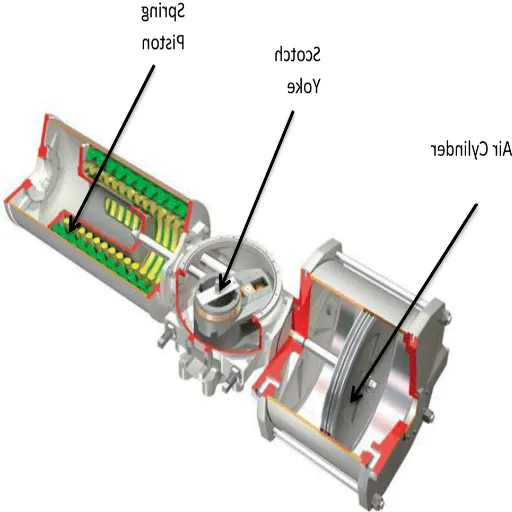
Piston Actuators: Compressed air acts on a piston within a cylinder to create linear motion. This design can generate high thrust and is often used for larger valves.
Diaphragm Actuators: Compressed air acts on a flexible diaphragm, which is connected to the valve stem. A spring provides the opposing force, allowing for proportional control.
Pneumatic actuators can be configured for fail-safe operation. A spring-return model uses a spring to return the valve to a predetermined safe position (either open or closed) upon loss of air pressure. A double-acting model uses air pressure to both open and close the valve.
Applications:
Their robust and fast-acting nature makes them suitable for a wide range of industries.
Oil and Gas: Ideal for hazardous environments due to their non-electric, spark-free operation.
Chemical Processing: Control the flow of various chemicals in reactors and pipelines.
Manufacturing: Used in automated systems for rapid on-off valve operation.
Pulp and Paper: Withstand the harsh conditions found in paper mills.
Advantages:
Fast stroking speeds.
High reliability and long service life.
Low initial cost.
Inherently fail-safe with spring-return models.
Safe for use in explosive and hazardous environments.
Disadvantages:
Requires a compressed air system, which can be costly to maintain.
Less precise control compared to electric actuators.
Air quality (moisture and particulates) can affect performance.
Hydraulic Actuators: Benefits and Challenges
Hydraulic actuators operate on the same principle as pneumatic actuators but use an incompressible liquid (usually oil) instead of air. This allows them to generate immense force, making them the most powerful type of actuator.
Benefits:
High Force Output: Capable of generating significantly more force than pneumatic or electric actuators of the same size.
Stiffness and Stability: The incompressibility of hydraulic fluid provides a rigid and stable system, holding the valve in position without fluctuation.
High Power-to-Size Ratio: They offer a compact design for the amount of force they produce.
Challenges:
Complexity and Cost: Hydraulic systems require pumps, reservoirs, filters, and extensive piping, making them complex and expensive to install and maintain.
Potential for Leaks: Fluid leaks can create safety hazards and environmental concerns, especially in clean industries.
Slower Response Time: Compared to pneumatic actuators, they can have slower stroking speeds due to fluid viscosity.
Temperature Sensitivity: The viscosity of hydraulic fluid changes with temperature, which can affect actuator performance.
Applications:
Due to their high force capabilities, hydraulic actuators are used in demanding applications.
Large Dam and Sluice Gates: Operate massive valves controlling water flow.
Turbine Control: Used in power generation for controlling large steam valves.
Heavy-duty Industrial Valves: Suitable for high-pressure and large-diameter pipelines in oil and gas.
Common Types of Control Valves and Their Actuators
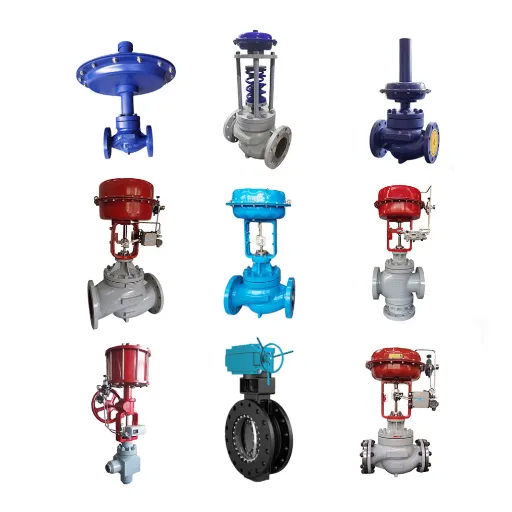
Gate Valves and Their Actuator Types
Gate valves are multi-turn valves that use a flat gate to stop or start flow. They are typically used for on-off service. Because they require multiple rotations to fully open or close, they are often paired with multi-turn electric actuators. For remote or automated applications, pneumatic or hydraulic linear actuators can also be used to provide the necessary thrust.
Butterfly Valves: Choosing the Right Valve Actuator
Butterfly valves are quarter-turn valves that control flow with a rotating disc. They are lightweight, compact, and fast-acting. Their quarter-turn (90-degree) operation makes them compatible with:
Rotary Pneumatic Actuators: The most common choice for on-off and simple control due to their speed and low cost.
Rotary Electric Actuators: Preferred for applications requiring precise modulation and positioning.
Pneumatic vs. Hydraulic Valves: Which Actuator is Best?
The term "pneumatic valve" or "hydraulic valve" often refers to a valve paired with that type of actuator. The choice between them depends on the force required. For most standard industrial valves, pneumatic actuators provide sufficient force and speed at a lower cost. When exceptionally high torque or thrust is needed to operate large or high-pressure valves, hydraulic actuators become the necessary choice.
Factors to Consider When Selecting a Valve Actuator
Understanding Valve Body and Operation
Torque/Thrust Requirement: The actuator must be able to generate enough force to overcome the static and dynamic forces within the valve under all operating conditions.
Valve Type: Is it a multi-turn (gate, globe) or quarter-turn (ball, butterfly) valve? This determines whether a linear or rotary actuator is needed.
Fail-Safe Requirement: Does the valve need to move to a specific safe position (open or closed) upon power failure? If so, a spring-return pneumatic actuator or an electric actuator with battery backup is required.
Evaluating Environmental Conditions
Hazardous Area Classification: In explosive environments (e.g., oil refineries), non-sparking pneumatic or explosion-proof electric actuators are mandatory.
Temperature and Corrosion: The actuator's materials and seals must be able to withstand the ambient temperature and any corrosive elements in the atmosphere.
Power Source Availability: Is compressed air, electricity, or a hydraulic power unit readily available at the installation site?
Cost vs. Performance: Making the Right Choice
Initial Cost: Pneumatic actuators generally have the lowest upfront cost, followed by electric, and then hydraulic.
Operating Cost: Electric actuators are typically the most energy-efficient. Pneumatic systems incur costs related to air compression and maintenance. Hydraulic systems have high maintenance costs associated with fluid and component upkeep.
Control Precision: Electric actuators offer the highest degree of precision, making them ideal for modulating control loops where accuracy is paramount.
Recently Posted
-
Understanding the Functions of Suction Valve and Discharge Valve in Pump Systems
December 18, 2025Industrial pump systems rely on precise mechanical coordination to transport fluids effectively. At the heart of this process are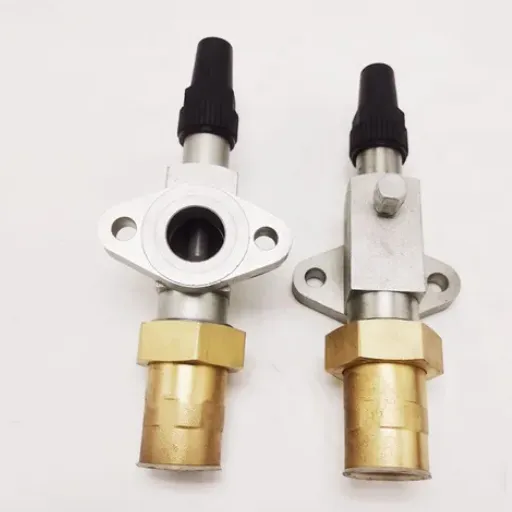 Read More
 -
Exploring Advanced Technologies in Air Compressor Discharge Valve Manufacturing
December 17, 2025The efficiency of any pneumatic system relies heavily on the performance of its smallest components. Among these, the air compress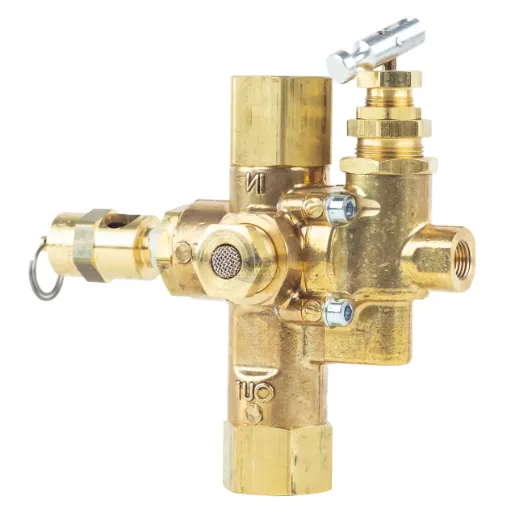 Read More
 -
Exploring Different Discharge Valve Types for Efficient Fluid Flow Management
December 16, 2025Industrial systems rely heavily on precision components to maintain safety, efficiency, and operational integrity. Among these com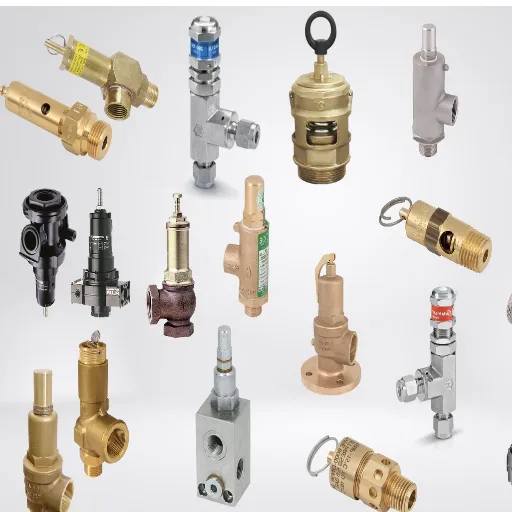 Read More
 -
How the Discharge Valve AC Affects Performance and Longevity of Cooling Systems
December 15, 2025The efficiency of any air conditioning system relies heavily on the precise coordination of its internal components. While the com Read More

Contact Us
Recommended Products
-
 DN1000 Insertion Type Ultrasonic Flow Meter for Clean Water Pure WaterNegotiableMOQ: 100 Sets
 -
Advanced Electromagnetic Flowmeter With Integrated Liquid Measurement TechnologyNegotiableMOQ: 10 Units
-
High Precision Electromagnetic Flow Meter for Southeast Asia Export - Easy Installation & Reliable After-SaleNegotiableMOQ: 10 Units
-
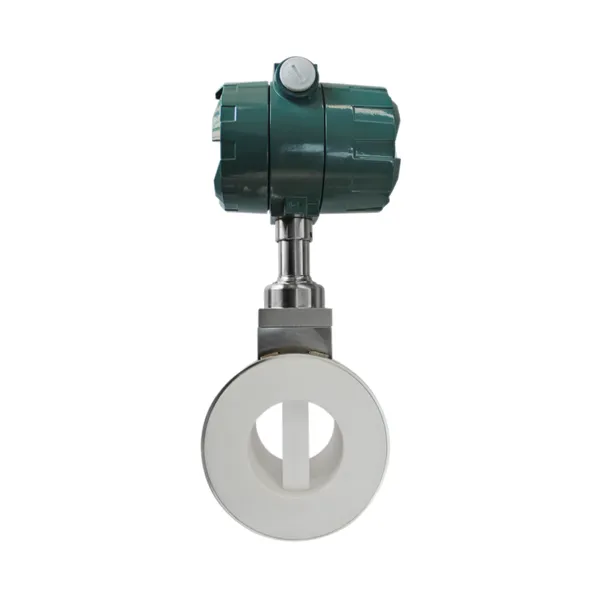
Advanced Digital Vortex Flow Meter for Accurate Water and Liquid MeasurementNegotiableMOQ: 10 Pieces
-
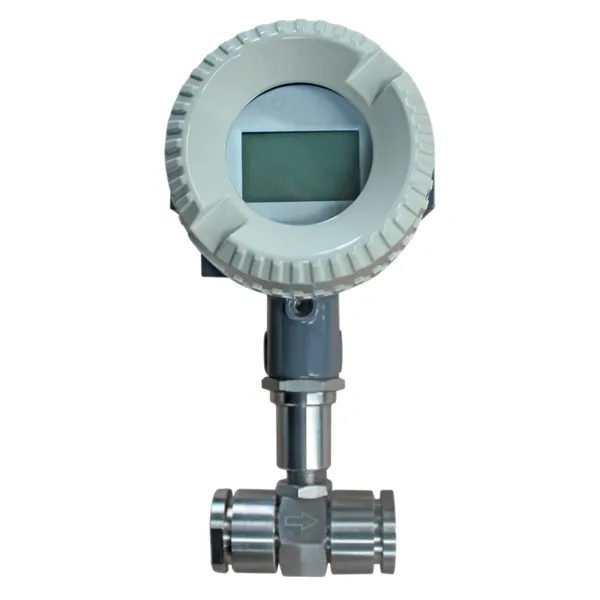
DN50 304 Stainless Steel Turbine Flowmeter for Diesel Oil MeasurementNegotiableMOQ: 10 Units
-
Low-Temperature Turbine Flowmeter for Liquid Nitrogen Applications in Cryogenic SystemsNegotiableMOQ: 10 Units
-
Industrial UV Disinfection Machine for Food & Beverage Industry - UVTunnelTM Tech, 1-40℃ Working TempNegotiableMOQ: 1 Set
-
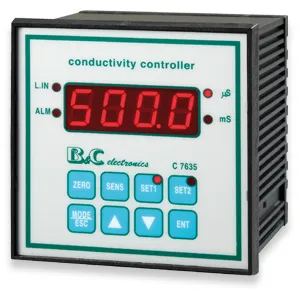
C 7635 High-purity Water Conductivity Transmitter With Automatic Temperature Compensation 0-100°CNegotiableMOQ: 1 Set
-
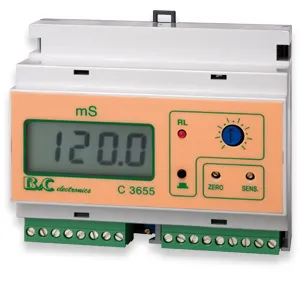
C 3655 Conductivity Meter Output Conductivity Transmitter With IP65 Waterproof HousingNegotiableMOQ: 1 Set
-
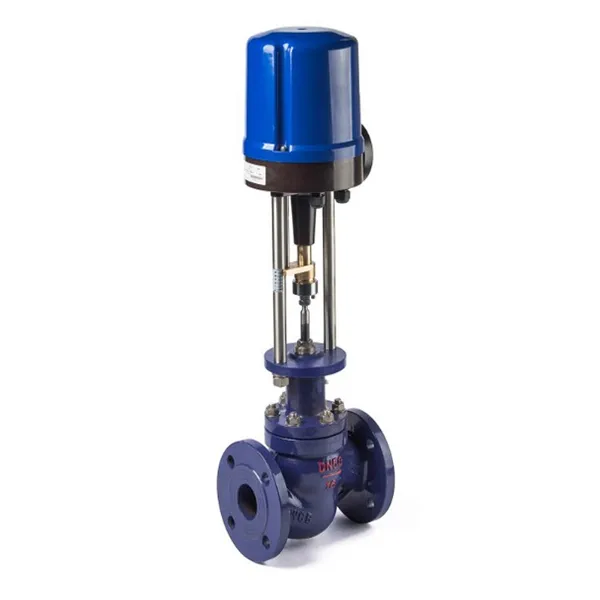
High Performance Electric Regulating Valve for Environmental Protection Water Treatment SystemsNegotiableMOQ: 1 Piece
-
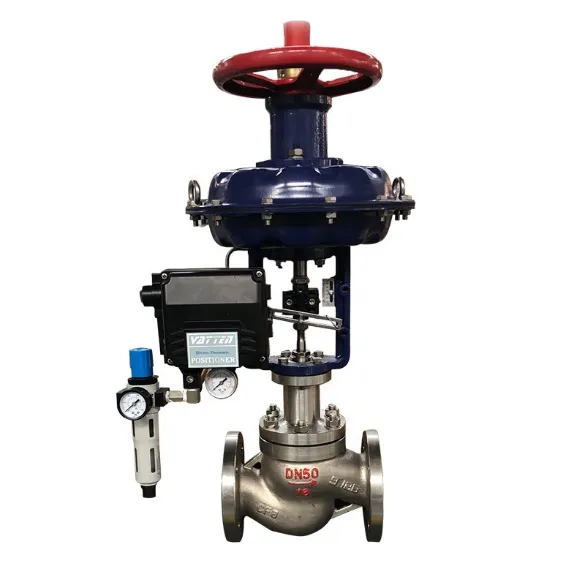
High Quality Pneumatic Control Valve for Chemical Pharmaceutical Industry Chinese Strong Factory With Spot StockNegotiableMOQ: 1 Piece
-
Pneumatic or Electric Actuator Compatible Full Fluorine-Lined Butterfly Valve With On/Off and Smart Regulating OptionsNegotiableMOQ: 1 Set
-
Powder Conveying Specialized Pneumatic Y-Type Ball Valve, Full Bore Design With No Dead Space for Clean MediaNegotiableMOQ: 1 Set
-
Manual, Pneumatic, or Electric Flanged Ball Valve With ISO5211 High Platform, Easy 90-Degree Operation for Fluid ControlNegotiableMOQ: 1 Set
-
Zero Leakage Full Fluorine-Lined Butterfly Valve Featuring Superior Corrosion Resistance and Long Service LifeNegotiableMOQ: 1 Set
-
Bottom Discharge Valve VTF-88-3 Series, DN25-DN300, Stainless Steel 316L/Carbon Steel, PN10/PN16 Class 150, Manual or Pneumatic ActuationNegotiableMOQ: 1 Set
-
Cost-Effective Knife Gate Valve With Rigid/Elastic Gate Options - Ensures Tight Shutoff and High Performance in Diverse Industrial SettingsNegotiableMOQ: 1 Set
-
FLS PH/ORP 200 Epoxy Resin Body Glass Bulb Electrode (Single-Junction/Double-Junction Versions)NegotiableMOQ: 100 Pieces
-
FLS F3.20 Flow Sensor Optimized for HVAC Systems, Cooling Units, and Boiler Feed Water, Featuring Low Maintenance and High Precision AccuracyNegotiableMOQ: 100 Pieces
-
FLS F3.80 Oval Gear Flow Sensor – High Precision for High-Viscosity Liquids (10-150L/h, IP65)NegotiableMOQ: 100 Pieces