
 Business License

How to Select the Best Butterfly Valve 4 Inch for Your Piping System
Selecting the right butterfly valve is critical for the efficiency and reliability of any piping system. A 4-inch butterfly valve is a standard size used across various industries, from water treatment to chemical processing. This guide provides a comprehensive overview of how to choose the best 4-inch butterfly valve by examining different styles, materials, and specifications to ensure optimal performance.
Making an informed decision requires understanding the valve's mechanics, the environment it will operate in, and the specific demands of the application. We will explore key factors, including valve types, material compatibility, and operational methods, to help you navigate the selection process.
Understanding Butterfly Valves
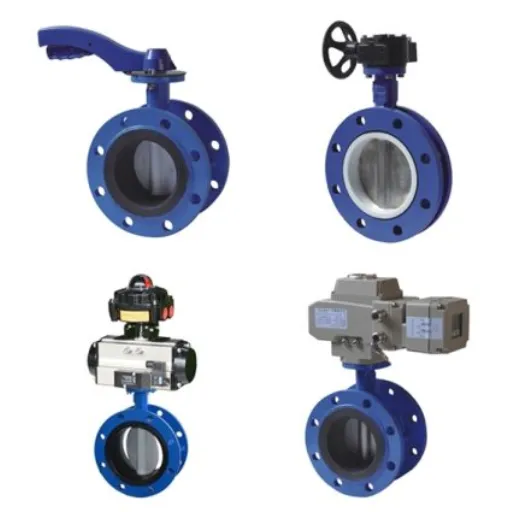
What is a Butterfly Valve?
A butterfly valve is a quarter-turn rotational motion valve used to stop, regulate, and start flow. The "butterfly" is a disc connected to a rod. When the valve is closed, the disc is perpendicular to the flow, blocking the passageway. When the valve is fully open, the disc is parallel to the flow, allowing fluid to pass through with minimal restriction.
Their simple design, light weight, and compact size make them a popular choice for many applications. They are particularly suitable for handling large flows of liquids and gases at relatively low pressures.
How Butterfly Valves Operate
Operation is straightforward. A 90-degree rotation of the handle or actuator moves the disc from the fully closed to the fully open position. This quick action is one of the main advantages of butterfly valves, allowing for rapid shut-off.
Closing: The operator turns the handle or actuator, which rotates the stem. The stem turns the disc, moving it from a parallel to a perpendicular position relative to the flow.
Opening: The process is reversed. The disc is rotated back to a parallel position, opening the flow path.
This quarter-turn action makes them ideal for applications requiring frequent operation. They can also be used for throttling or modulating flow, although they are generally best suited for fully open or fully closed service.
Key Components of Butterfly Valves
Understanding the main parts of a butterfly valve helps in evaluating different models and materials. The primary components include:
Body: The main pressure-containing structure of the valve, which fits between two pipe flanges. The body can be a wafer, lug, or double-flanged style.
Disc: The "butterfly" that closes and opens the valve. Its material is crucial for compatibility with the media flowing through the pipe.
Stem: The rod connecting the disc to the actuator. It transmits the rotational motion from the handle or actuator to the disc.
Seat: A liner or seal that provides a tight shut-off between the disc and the body. The seat material is a critical factor for temperature, pressure, and chemical compatibility.
Operator: The mechanism used to turn the stem. This can be a simple lever, a handwheel with a gearbox, or an automated actuator (electric, pneumatic, or hydraulic).
4 Inch Butterfly Valve Options
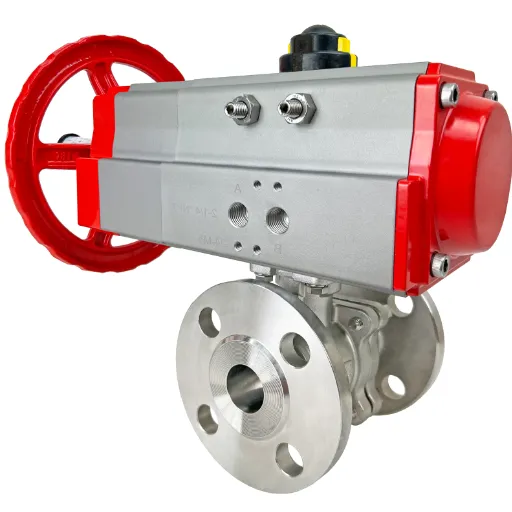
Types of 4 Inch Butterfly Valves
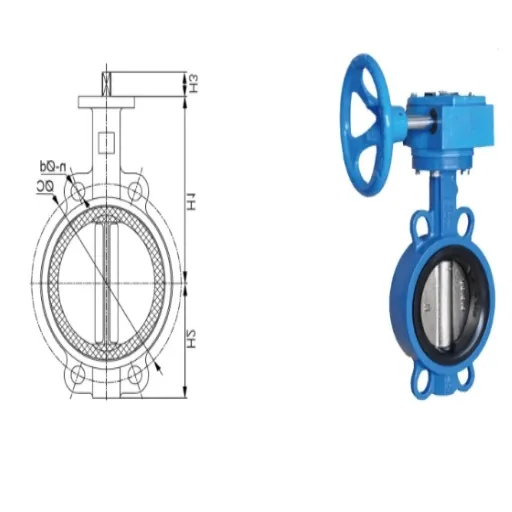
The two most common body styles for a 4-inch butterfly valve are wafer and lug.
Wafer Style: This is the most common and economical design. The valve body is clamped between two pipe flanges by long bolts that run from one flange to the other, passing through holes in the valve's body. Wafer valves are easy to install but cannot be used as an end-of-line service because there's nothing to hold the valve in place if the downstream piping is removed.
Lug Style: Lug-style butterfly valves have threaded inserts (lugs) on the outside of the valve body. Separate bolts connect each flange to the valve. This design allows the valve to be installed in a system where one side can be disconnected without affecting the other, making it suitable for end-of-line service.
Advantages of Wafer Butterfly Valves
For many general-purpose applications, the 4-inch wafer style butterfly valve is the preferred choice due to several advantages:
Cost-Effective: They are generally less expensive than their lug-style counterparts.
Lightweight and Compact: Their design is minimalistic, reducing weight and space requirements.
Easy Installation: The alignment is simplified as it centers between the flanges.
Versatility: Suitable for a wide range of applications where end-of-line service is not required.
Comparing PVC and Ductile Iron Butterfly Valves
The material of the valve body is a primary consideration. For a 4-inch butterfly valve, PVC and ductile iron are two common options with distinct properties.
PVC (Polyvinyl Chloride) Butterfly Valves:
Corrosion Resistance: PVC is highly resistant to a wide range of chemicals, acids, and alkalis, making it ideal for corrosive environments.
Lightweight: PVC is much lighter than ductile iron, simplifying handling and installation.
Cost: Generally more affordable than metal valves.
Limitations: PVC has lower temperature and pressure ratings compared to ductile iron. It is not suitable for high-temperature applications or systems with significant pressure surges.
Ductile Iron Butterfly Valves:
Strength and Durability: Ductile iron offers superior strength and can withstand higher pressures and temperatures than PVC.
Impact Resistance: It is more robust and less prone to cracking from physical impact or system vibrations.
Wide Application Range: Suitable for water, wastewater, gas, and many industrial applications.
Limitations: While often coated for protection, ductile iron can be susceptible to corrosion in highly aggressive chemical environments.
The choice between PVC and ductile iron depends entirely on the application's specific needs regarding chemical compatibility, temperature, pressure, and budget.
Material Selection for Butterfly Valves
EPDM vs Buna-N Seats
The valve seat creates the seal. EPDM and Buna-N are two of the most common resilient seat materials for 4-inch butterfly valves.
EPDM (Ethylene Propylene Diene Monomer):
Excellent for Water: EPDM is the standard choice for potable water, wastewater, and general water applications. It has excellent resistance to weathering, ozone, and UV exposure.
Temperature Range: Typically handles temperatures from -30°F to 250°F (-34°C to 121°C).
Chemical Resistance: Good resistance to many acids and alkalis.
Not Recommended For: Oils, petroleum-based fluids, and hydrocarbon solvents.
Buna-N (Nitrile Rubber):
Ideal for Oils and Fuels: Buna-N offers excellent resistance to petroleum-based oils, fuels, greases, and hydraulic fluids.
Temperature Range: Generally suitable for temperatures from -10°F to 180°F (-23°C to 82°C).
Good Wear Resistance: It has good abrasion resistance and tear strength.
Not Recommended For: Ozone, sunlight, and strong oxidizing chemicals.
Choosing between EPDM and Buna-N hinges on the media. For water-based systems, EPDM is superior. For oil or fuel systems, Buna-N is the correct choice.
Importance of Resilient Seated Discs
In a resilient-seated butterfly valve, the seal is achieved by the disc deforming the soft seat. This design offers several benefits:
Tight Shut-off: Provides a bubble-tight seal, making it ideal for applications where leakage is not permissible.
Low Torque: The soft seat reduces the friction on the disc, requiring less torque to operate.
Protection: The seat completely isolates the valve body from the media, which is particularly beneficial when using a ductile iron body in a mildly corrosive service.
For a 4-inch butterfly valve, a resilient seated design is the most common and provides a reliable seal for a wide array of low-to-medium pressure applications. Discs are often made of stainless steel, ductile iron with a nylon coating, or other alloys to ensure compatibility with the media.
Lever Operated vs Other Operation Methods
The method of operation impacts the valve's usability and potential for automation.
Lever Operated: A simple lever handle is standard for smaller valves like the 4-inch size. It allows for quick, manual quarter-turn operation. It's cost-effective and provides a visual indication of the valve's position (the lever is parallel to the pipe when open and perpendicular when closed).
Gear Operated: For larger valves or systems with higher pressures, a gear operator (handwheel) is used. The gearbox provides mechanical advantage, reducing the effort needed to turn the valve. This allows for more precise control but is slower than a lever.
Actuated: For automated control, butterfly valves can be equipped with pneumatic, electric, or hydraulic actuators. This is essential for remote operation, process control loops, and systems requiring frequent cycling.
For a 4-inch butterfly valve in a typical manual application, a lever handle is usually sufficient and is the most economical choice.
Specifications and Documentation
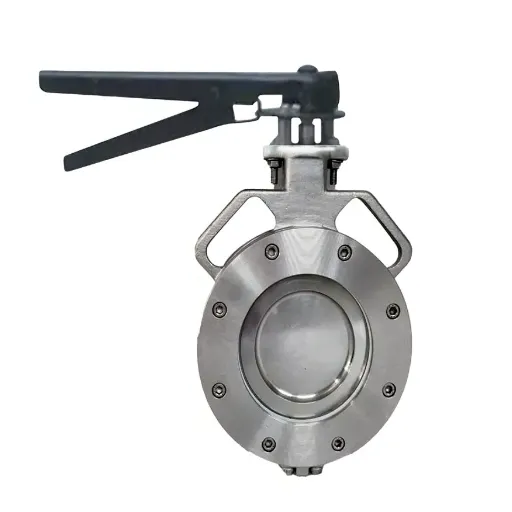
Understanding Valve Specifications
When selecting a 4-inch butterfly valve, pay close attention to its technical data sheet. Key specifications include:
Pressure Rating: The maximum pressure the valve can safely withstand. This is often expressed in PSI or bar.
Temperature Rating: The minimum and maximum temperatures the valve materials can handle.
Face-to-Face Dimension: The distance between the two faces of the valve body, which must conform to standards like API 609 or MSS SP-67 to ensure interchangeability.
Flange Compatibility: Ensure the valve is designed to fit the flange standard of your piping (e.g., ANSI Class 125/150).
Documentation for Installation and Maintenance
Proper documentation is crucial for long-term reliability. Look for manufacturers that provide:
Installation and Operation Manuals (IOMs): These guides provide step-by-step instructions for correct installation, which is vital for achieving a proper seal and preventing damage.
Maintenance Guides: While butterfly valves are low-maintenance, these guides offer instructions for periodic inspection and troubleshooting.
Choosing the Right Flange and Stem Options
Finally, ensure the smaller details fit your system.
Flange Connection: A 4-inch butterfly valve is designed to fit between 4-inch pipe flanges. Verify that the valve's bolt pattern matches your flanges (e.g., ANSI B16.5).
Stem Design: The stem connection to the operator should be robust. A square or double-D stem design is common and provides a secure, non-slip connection to a lever or actuator.
Recently Posted
-
Understanding the Functions of Suction Valve and Discharge Valve in Pump Systems
December 18, 2025Industrial pump systems rely on precise mechanical coordination to transport fluids effectively. At the heart of this process are Read More
 -
Exploring Advanced Technologies in Air Compressor Discharge Valve Manufacturing
December 17, 2025The efficiency of any pneumatic system relies heavily on the performance of its smallest components. Among these, the air compress Read More
 -
Exploring Different Discharge Valve Types for Efficient Fluid Flow Management
December 16, 2025Industrial systems rely heavily on precision components to maintain safety, efficiency, and operational integrity. Among these com Read More
 -
How the Discharge Valve AC Affects Performance and Longevity of Cooling Systems
December 15, 2025The efficiency of any air conditioning system relies heavily on the precise coordination of its internal components. While the com Read More

Contact Us
Recommended Products
-
 DN1000 Insertion Type Ultrasonic Flow Meter for Clean Water Pure WaterNegotiableMOQ: 100 Sets
 -
Advanced Electromagnetic Flowmeter With Integrated Liquid Measurement TechnologyNegotiableMOQ: 10 Units
-
High Precision Electromagnetic Flow Meter for Southeast Asia Export - Easy Installation & Reliable After-SaleNegotiableMOQ: 10 Units
-
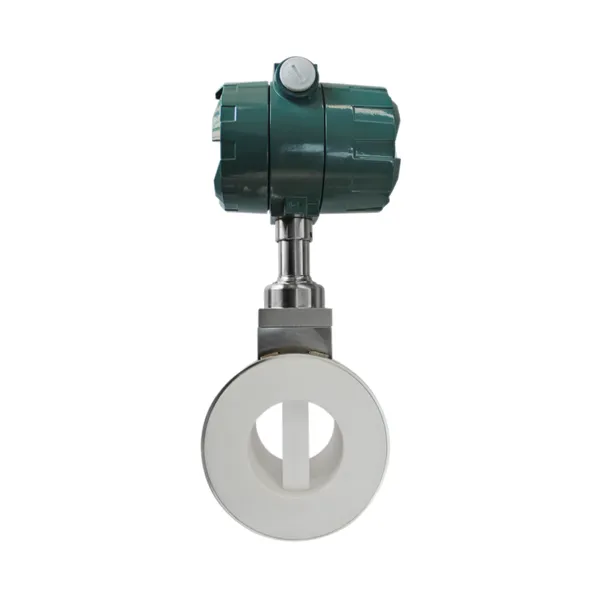
Advanced Digital Vortex Flow Meter for Accurate Water and Liquid MeasurementNegotiableMOQ: 10 Pieces
-
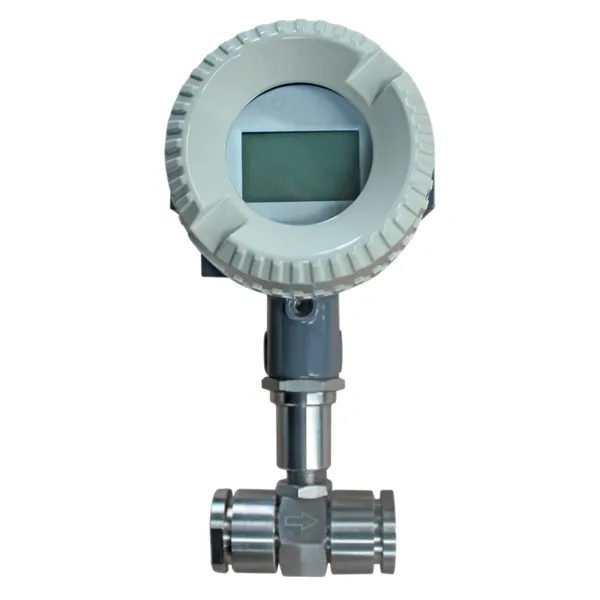
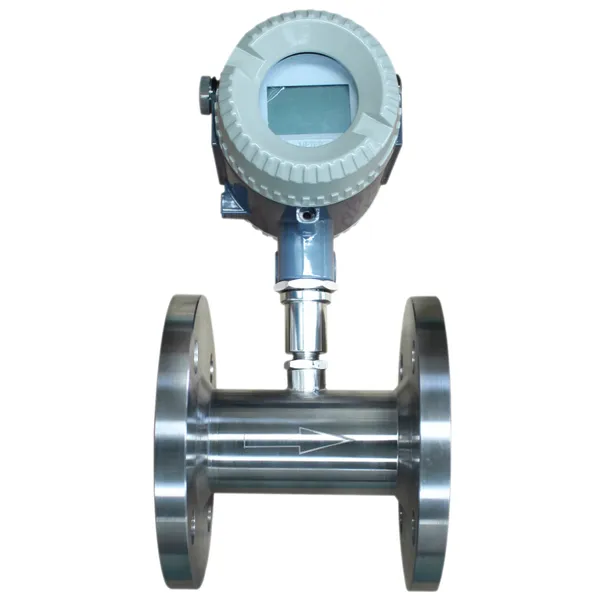
DN50 304 Stainless Steel Turbine Flowmeter for Diesel Oil MeasurementNegotiableMOQ: 10 Units
-
Low-Temperature Turbine Flowmeter for Liquid Nitrogen Applications in Cryogenic SystemsNegotiableMOQ: 10 Units
-
Industrial UV Disinfection Machine for Food & Beverage Industry - UVTunnelTM Tech, 1-40℃ Working TempNegotiableMOQ: 1 Set
-
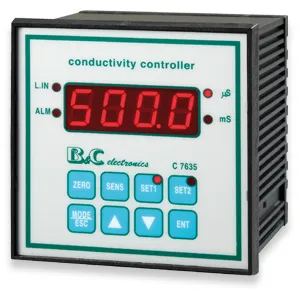
C 7635 High-purity Water Conductivity Transmitter With Automatic Temperature Compensation 0-100°CNegotiableMOQ: 1 Set
-
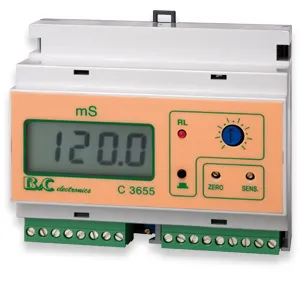
C 3655 Conductivity Meter Output Conductivity Transmitter With IP65 Waterproof HousingNegotiableMOQ: 1 Set
-
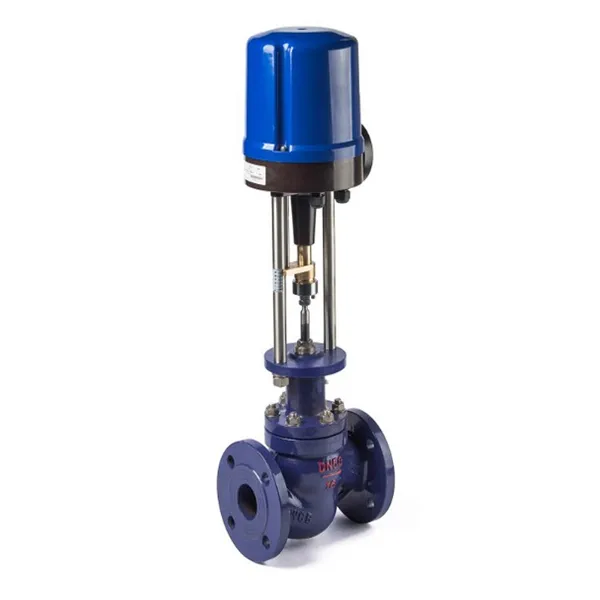
High Performance Electric Regulating Valve for Environmental Protection Water Treatment SystemsNegotiableMOQ: 1 Piece
-
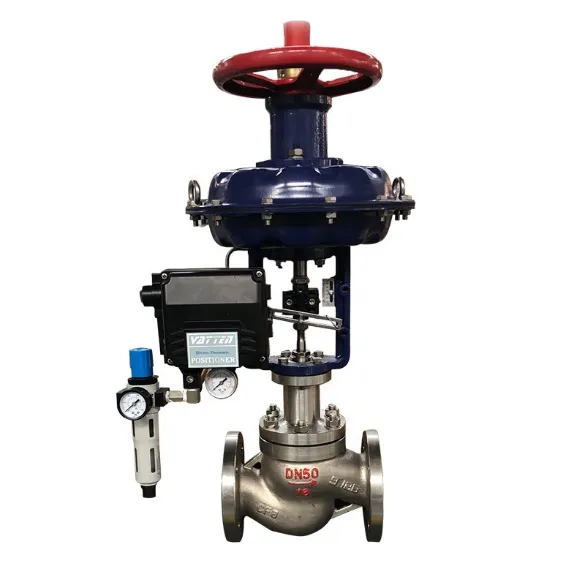
High Quality Pneumatic Control Valve for Chemical Pharmaceutical Industry Chinese Strong Factory With Spot StockNegotiableMOQ: 1 Piece
-
Pneumatic or Electric Actuator Compatible Full Fluorine-Lined Butterfly Valve With On/Off and Smart Regulating OptionsNegotiableMOQ: 1 Set
-
Powder Conveying Specialized Pneumatic Y-Type Ball Valve, Full Bore Design With No Dead Space for Clean MediaNegotiableMOQ: 1 Set
-
Manual, Pneumatic, or Electric Flanged Ball Valve With ISO5211 High Platform, Easy 90-Degree Operation for Fluid ControlNegotiableMOQ: 1 Set
-
Zero Leakage Full Fluorine-Lined Butterfly Valve Featuring Superior Corrosion Resistance and Long Service LifeNegotiableMOQ: 1 Set
-
Bottom Discharge Valve VTF-88-3 Series, DN25-DN300, Stainless Steel 316L/Carbon Steel, PN10/PN16 Class 150, Manual or Pneumatic ActuationNegotiableMOQ: 1 Set
-
Cost-Effective Knife Gate Valve With Rigid/Elastic Gate Options - Ensures Tight Shutoff and High Performance in Diverse Industrial SettingsNegotiableMOQ: 1 Set
-
FLS PH/ORP 200 Epoxy Resin Body Glass Bulb Electrode (Single-Junction/Double-Junction Versions)NegotiableMOQ: 100 Pieces
-
FLS F3.20 Flow Sensor Optimized for HVAC Systems, Cooling Units, and Boiler Feed Water, Featuring Low Maintenance and High Precision AccuracyNegotiableMOQ: 100 Pieces
-
FLS F3.80 Oval Gear Flow Sensor – High Precision for High-Viscosity Liquids (10-150L/h, IP65)NegotiableMOQ: 100 Pieces