
 Business License

How Butterfly Valve PVC Enhances Durability and Performance in Piping Systems
In complex industrial piping systems, selecting the correct valve is critical for ensuring operational efficiency, safety, and longevity. Among the various valve types available, the PVC butterfly valve has emerged as a preferred choice for many applications. Its unique combination of material properties and design offers significant advantages in durability and performance. This guide explores the specifications, benefits, and applications of PVC butterfly valves, providing a comprehensive overview for engineers, system designers, and maintenance professionals. Understanding the components and material strengths of these valves is the first step toward optimizing your piping systems. From water treatment plants to chemical processing facilities, PVC butterfly valves offer a reliable, cost-effective solution for flow control. We will cover their key features, installation best practices, and maintenance requirements to help you make informed decisions for your specific operational needs.
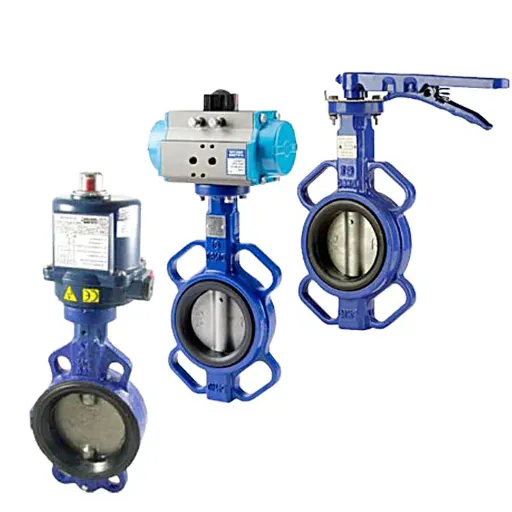
Specifications of Butterfly Valves
Understanding PVC Butterfly Valves
A PVC butterfly valve is a specific type of butterfly valve constructed primarily from polyvinyl chloride (PVC). This material choice is what sets it apart and defines its primary applications. PVC is a versatile, widely used thermoplastic known for its excellent chemical resistance, durability, and low cost. When used in butterfly valves, it creates a component that is ideal for handling corrosive fluids and operating in challenging environments where metal valves might corrode or degrade. These valves are commonly found in systems that do not require the high-pressure or high-temperature capabilities of their metal counterparts.
Key Features of PVC Material
PVC's properties make it an excellent material for butterfly valves in certain applications. Here are some of its most important features:
Chemical Resistance: PVC is highly resistant to a wide range of chemicals, including acids, alkalis, salts, and many solvents. This makes PVC butterfly valves an excellent choice for chemical processing and water treatment applications where corrosive substances are common.
Corrosion Resistance: Unlike metal valves, PVC does not rust or corrode when exposed to moisture or certain chemicals. This quality ensures a longer service life and reduces the need for frequent replacement, especially in humid or corrosive environments.
Lightweight: PVC is significantly lighter than metals like cast iron or stainless steel. This makes PVC butterfly valves easier to handle, transport, and install, thereby reducing labor costs and simplifying the installation process.
Low Cost: The raw materials and manufacturing processes for PVC are less expensive than those for metals. As a result, PVC butterfly valves are often a more economical option, particularly for large-scale projects or applications where cost is a primary consideration.
Smooth Interior Surface: The smooth inner surface of PVC reduces friction and minimizes pressure drop as fluid flows through the valve. It also helps prevent the buildup of scale or other deposits, ensuring consistent flow over time.
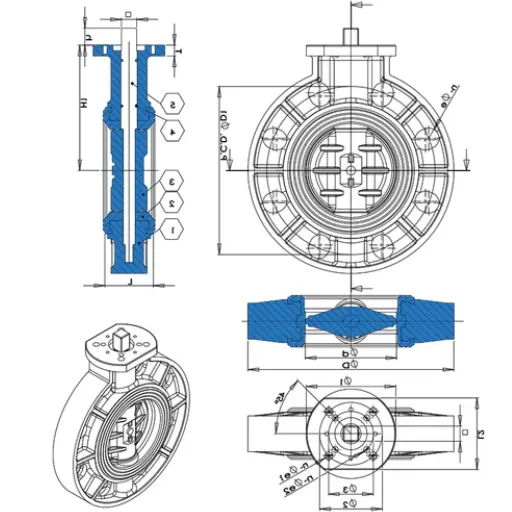
Components of a Butterfly Valve: Body, Disc, and Stem
A butterfly valve consists of three main components that work together to control flow. Understanding their function is key to appreciating the valve's operation.
Body: The valve body is the outer casing that fits between two pipe flanges. It houses the internal components and provides the primary pressure boundary. In a PVC butterfly valve, the body is made of PVC and is designed to withstand the system's operating pressures and temperatures.
Disc: The disc is the "butterfly" element that opens and closes to control the flow. It is mounted on the stem and rotates 90 degrees within the valve body. When the valve is closed, the disc seals against a seat, which is often made of an elastomeric material like EPDM. The disc in a PVC butterfly valve is also made of PVC to maintain consistent chemical resistance.
Stem: The stem connects the disc to the operator (a lever or gear) on the outside of the valve. Turning the operator rotates the stem, which in turn moves the disc. The stem must be strong enough to withstand the torque required to open and close the valve against the fluid pressure. In many PVC butterfly valves, the stem is made of stainless steel for added strength and durability, while the stem is isolated from the fluid by seals to prevent corrosion.
Benefits of Using PVC Butterfly Valves
Durability and Longevity in Piping Systems
One of the most significant advantages of PVC butterfly valves is their exceptional durability in specific environments. While they may not be suitable for high-pressure or high-temperature applications, they excel in conditions that would cause metal valves to fail. Their resistance to corrosion and chemical attack ensures they maintain their structural integrity and sealing performance throughout their service life. This reduces downtime and maintenance costs associated with valve failure and replacement. For systems handling water, wastewater, or various chemicals, PVC butterfly valves offer a reliable, long-lasting solution.
Cost-Effectiveness of PVC Valves
Cost is a critical factor in any project, and PVC butterfly valves offer a distinct economic advantage. They are generally more affordable than their metal counterparts, such as stainless steel or cast iron. This cost saving is not just limited to the initial purchase price. PVC's lightweight nature reduces shipping and handling costs. Furthermore, the ease of installation can lower labor costs. Over the long term, the minimal maintenance requirements and long service life contribute to a lower total cost of ownership, making PVC butterfly valves a financially savvy choice for many applications.
Enhanced Performance Through EPDM Liners
The performance of a butterfly valve heavily relies on its ability to create a tight seal. Most PVC butterfly valves are equipped with an EPDM (ethylene-propylene-diene monomer) liner or seat. EPDM is a synthetic rubber known for its excellent resistance to weathering, ozone, UV radiation, and a wide range of chemicals. It also maintains its flexibility and sealing properties across a broad temperature range.
The combination of a PVC body and an EPDM liner provides several performance benefits:
Bubble-Tight Seal: The EPDM liner creates a tight seal around the disc when the valve is closed, preventing leakage.
Chemical Compatibility: EPDM is compatible with many of the same chemicals as PVC, ensuring the entire valve assembly is suitable for the intended service.
Durability: EPDM is highly durable and resistant to wear and tear, contributing to the long-term reliability of the valve's sealing performance.
Applications of Butterfly Valves in Various Industries
Typical Applications in Water Treatment
Water and wastewater treatment plants are one of the most common environments for PVC butterfly valves. The fluids in these plants can be corrosive, and PVC's resistance to chemical attack and corrosion is a significant advantage. They are used in various stages of the treatment process, including:
Flow regulation in pipelines carrying raw water, treated water, and wastewater.
Isolation of equipment, such as pumps and filters, for maintenance.
Controlling the flow of chemical dosing lines for substances like chlorine or pH adjusters.
Usage in Chemical Processing
In the chemical processing industry, handling corrosive fluids is a daily challenge. PVC butterfly valves are an excellent choice for applications involving acids, bases, and other chemicals that would quickly degrade metal valves. They provide a cost-effective solution for flow control in systems where the temperature and pressure are within PVC's operating limits.
Versatile Applications in HVAC Systems
Heating, ventilation, and air conditioning (HVAC) systems often involve the circulation of water, including chilled water and condenser water. These systems operate at relatively low pressures and temperatures, making them ideal for PVC butterfly valves. The valves are used to balance flow and isolate sections of the system for maintenance. Their lightweight nature simplifies installation, especially in the tight spaces often found in commercial buildings.
Installation and Maintenance of PVC Butterfly Valves
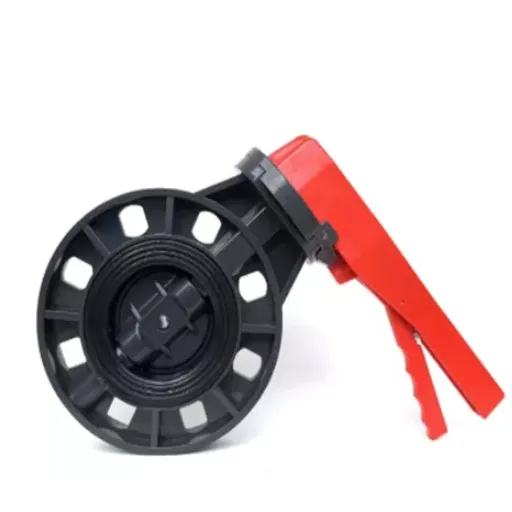
Mounting Techniques for Optimal Performance
When installing a PVC butterfly valve, ensure it is correctly aligned between the pipe flanges. Misalignment can cause the disc to bind or damage the liner, leading to leakage.
Flange Alignment: Ensure the pipe flanges are parallel and properly spaced to accommodate the valve without stressing the valve body.
Bolt Tightening: Tighten the flange bolts in a star or crisscross pattern to ensure even pressure distribution on the valve body. Overtightening can damage the valve, while under-tightening can lead to leaks.
Valve Position: It is recommended to install butterfly valves with the stem in the horizontal position. This helps reduce gravity's effect on the disc and stem, minimizing wear on the stem bushings.
Best Practices for Maintenance and Inspection
While PVC butterfly valves require minimal maintenance, regular inspections are important to identify potential issues before they become significant problems.
Visual Inspection: Regularly check the valve for any signs of external damage, leaks, or corrosion on the stem or operator.
Operation: Periodically cycle the valve from fully open to fully closed to ensure smooth operation and prevent the disc from seizing.
Liner Inspection: If possible, inspect the liner for signs of wear, tearing, or chemical attack, especially in demanding applications.
Lever and Gear Operator Adjustments
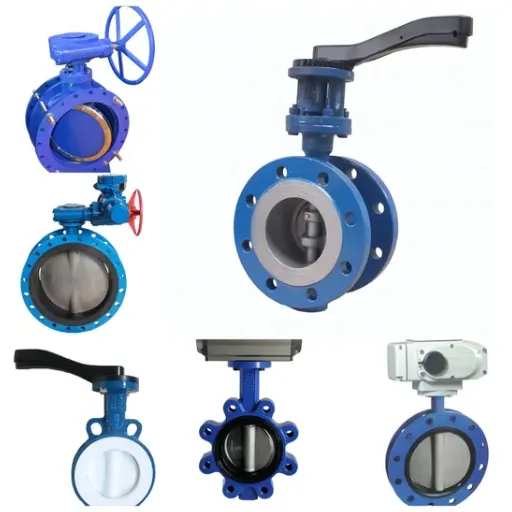
Butterfly valves are typically operated with a lever for smaller sizes or a gear operator for larger sizes.
Lever Operators: These are simple to use but may require adjustment of the locking mechanism to ensure the valve stays in the desired position.
Gear Operators: Gear operators make it easier to open and close large valves against high pressure. They often have travel stops that can be adjusted to ensure the disc fully closes and opens to the correct position. Proper adjustment of these stops is critical to prevent leakage when closed and to ensure maximum flow when open.
Recently Posted
-
Understanding the Functions of Suction Valve and Discharge Valve in Pump Systems
December 18, 2025Industrial pump systems rely on precise mechanical coordination to transport fluids effectively. At the heart of this process are Read More
 -
Exploring Advanced Technologies in Air Compressor Discharge Valve Manufacturing
December 17, 2025The efficiency of any pneumatic system relies heavily on the performance of its smallest components. Among these, the air compress Read More
 -
Exploring Different Discharge Valve Types for Efficient Fluid Flow Management
December 16, 2025Industrial systems rely heavily on precision components to maintain safety, efficiency, and operational integrity. Among these com Read More
 -
How the Discharge Valve AC Affects Performance and Longevity of Cooling Systems
December 15, 2025The efficiency of any air conditioning system relies heavily on the precise coordination of its internal components. While the com Read More

Contact Us
Recommended Products
-
 DN1000 Insertion Type Ultrasonic Flow Meter for Clean Water Pure WaterNegotiableMOQ: 100 Sets
 -
Advanced Electromagnetic Flowmeter With Integrated Liquid Measurement TechnologyNegotiableMOQ: 10 Units
-
High Precision Electromagnetic Flow Meter for Southeast Asia Export - Easy Installation & Reliable After-SaleNegotiableMOQ: 10 Units
-
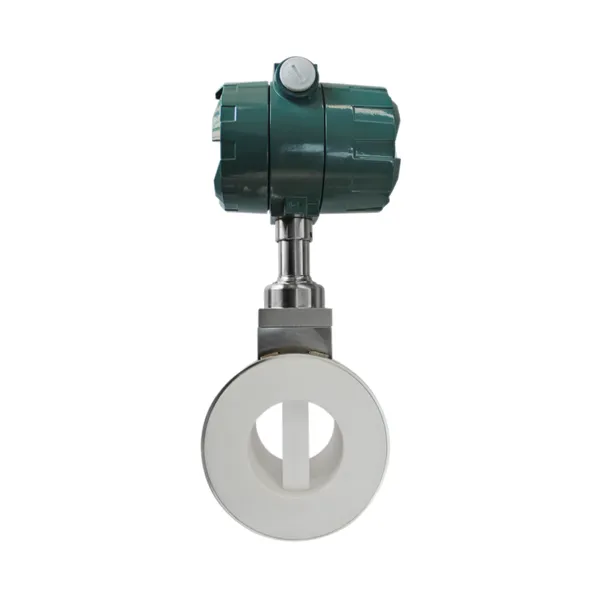
Advanced Digital Vortex Flow Meter for Accurate Water and Liquid MeasurementNegotiableMOQ: 10 Pieces
-
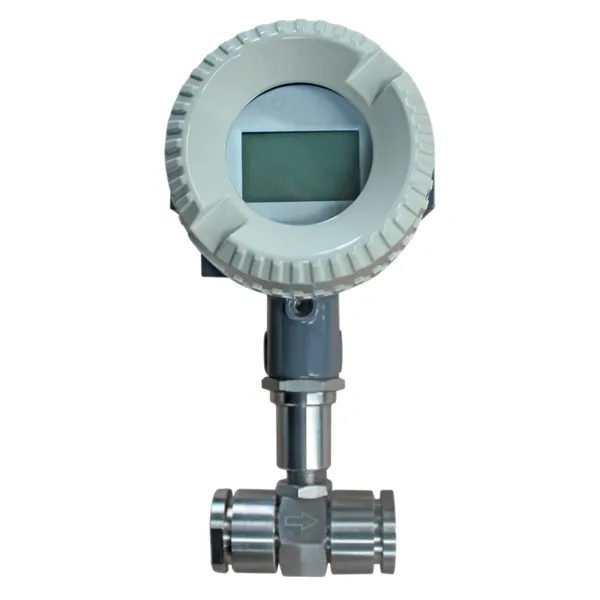
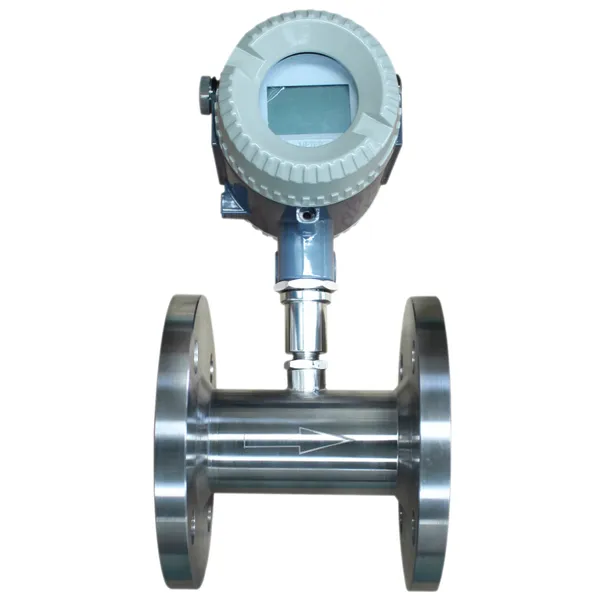
DN50 304 Stainless Steel Turbine Flowmeter for Diesel Oil MeasurementNegotiableMOQ: 10 Units
-
Low-Temperature Turbine Flowmeter for Liquid Nitrogen Applications in Cryogenic SystemsNegotiableMOQ: 10 Units
-
Industrial UV Disinfection Machine for Food & Beverage Industry - UVTunnelTM Tech, 1-40℃ Working TempNegotiableMOQ: 1 Set
-
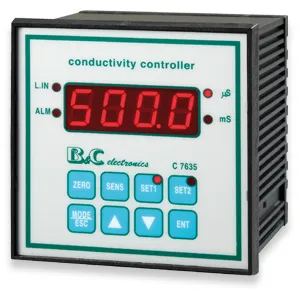
C 7635 High-purity Water Conductivity Transmitter With Automatic Temperature Compensation 0-100°CNegotiableMOQ: 1 Set
-
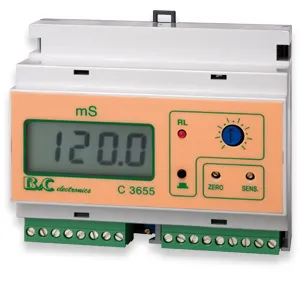
C 3655 Conductivity Meter Output Conductivity Transmitter With IP65 Waterproof HousingNegotiableMOQ: 1 Set
-
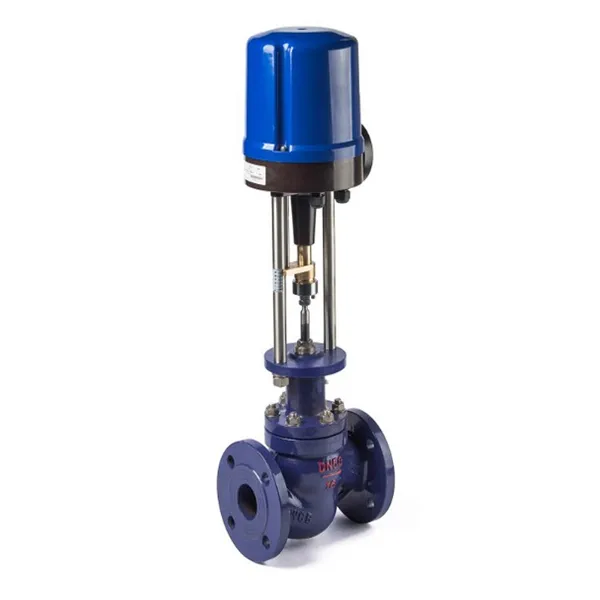
High Performance Electric Regulating Valve for Environmental Protection Water Treatment SystemsNegotiableMOQ: 1 Piece
-
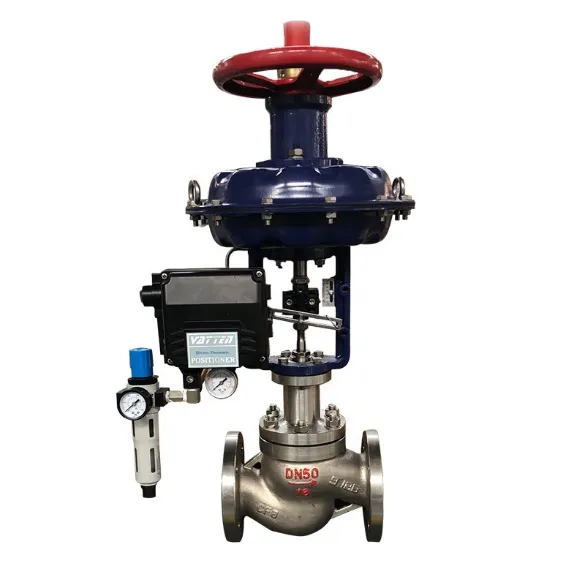
High Quality Pneumatic Control Valve for Chemical Pharmaceutical Industry Chinese Strong Factory With Spot StockNegotiableMOQ: 1 Piece
-
Pneumatic or Electric Actuator Compatible Full Fluorine-Lined Butterfly Valve With On/Off and Smart Regulating OptionsNegotiableMOQ: 1 Set
-
Powder Conveying Specialized Pneumatic Y-Type Ball Valve, Full Bore Design With No Dead Space for Clean MediaNegotiableMOQ: 1 Set
-
Manual, Pneumatic, or Electric Flanged Ball Valve With ISO5211 High Platform, Easy 90-Degree Operation for Fluid ControlNegotiableMOQ: 1 Set
-
Zero Leakage Full Fluorine-Lined Butterfly Valve Featuring Superior Corrosion Resistance and Long Service LifeNegotiableMOQ: 1 Set
-
Bottom Discharge Valve VTF-88-3 Series, DN25-DN300, Stainless Steel 316L/Carbon Steel, PN10/PN16 Class 150, Manual or Pneumatic ActuationNegotiableMOQ: 1 Set
-
Cost-Effective Knife Gate Valve With Rigid/Elastic Gate Options - Ensures Tight Shutoff and High Performance in Diverse Industrial SettingsNegotiableMOQ: 1 Set
-
FLS PH/ORP 200 Epoxy Resin Body Glass Bulb Electrode (Single-Junction/Double-Junction Versions)NegotiableMOQ: 100 Pieces
-
FLS F3.20 Flow Sensor Optimized for HVAC Systems, Cooling Units, and Boiler Feed Water, Featuring Low Maintenance and High Precision AccuracyNegotiableMOQ: 100 Pieces
-
FLS F3.80 Oval Gear Flow Sensor – High Precision for High-Viscosity Liquids (10-150L/h, IP65)NegotiableMOQ: 100 Pieces