
 Business License

Key Differences Between Butterfly Valve Types and Their Functional Benefits
Butterfly valves are essential components in countless industrial systems, controlling the flow of everything from water to corrosive chemicals. Their simple design, quick operation, and cost-effectiveness make them a popular choice. However, not all butterfly valves are created equal. The variety of designs—wafer, lug, double offset, triple offset—can make selecting the right one a complex decision.
Choosing the correct valve is critical for ensuring system efficiency, safety, and longevity. The wrong valve can lead to leaks, premature wear, and even catastrophic system failure. Understanding the distinct features and benefits of each type is the first step toward making an informed choice that aligns with your specific application needs.
This guide provides a comprehensive overview of the different butterfly valve types available. We will explore the characteristics of standard designs, such as wafer- and lug-style valves, compare flanged and offset models, and examine their functional benefits across various industrial settings. By the end of this post, you will know to select the most suitable butterfly valve, optimizing your system's performance and reliability.
Understanding Butterfly Valve Types
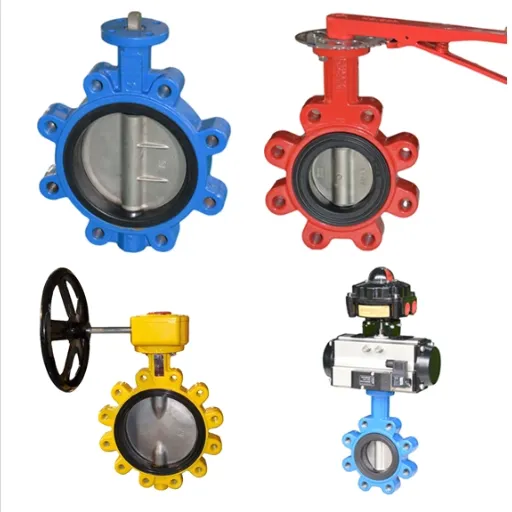
Overview of Different Types of Butterfly Valves
Butterfly valves are primarily categorized by connection type and offset design. The most common connection types are wafer and lug-style. Offset designs, including double and triple offset, were developed to improve sealing capabilities and reduce wear, making them suitable for more demanding applications.
Wafer-Style: These valves are sandwiched between two pipe flanges.
Lug-Style: These valves have threaded lugs that allow them to be bolted directly to pipe flanges.
Double Offset: This design features two offsets from the center, reducing friction and wear on the valve seat.
Triple Offset: This design adds a third offset, creating a cone-in-cone seating design that eliminates friction during operation.
Each of these types offers unique advantages depending on the system's requirements, such as the need for dead-end service, the level of pressure, or the corrosiveness of the fluid being managed.
Characteristics of Wafer Butterfly Valves
Wafer-style butterfly valves are perhaps the most common type due to their compact and lightweight design. They are designed to be clamped between two pipe flanges, held in place by long bolts that traverse the entire valve body. This "wafer" design makes them economical and easy to install, as they require fewer bolts and no flanges.
One of the main benefits is their lower initial cost and reduced weight, which simplifies handling and installation. They are ideal for applications with limited space. However, a significant limitation is that they are not suitable for "dead-end" service. If the piping on one side of the valve needs to be removed for maintenance, the entire line must be shut down because there is no way to secure the valve to the remaining pipe flange. They rely on the compressive force from both flanges to create a seal.
Lug-Style Butterfly Valves Explained
Lug-style butterfly valves are similar in design to wafer valves but differ in one critical way: they feature threaded inserts, or "lugs," around the circumference of the valve body. These lugs align with the bolt holes of the pipe flanges, allowing the valve to be bolted directly to each flange independently.
The primary advantage of this design is its suitability for dead-end service. Because it can be bolted to one flange while the other is removed, it allows for downstream maintenance without shutting down the entire system. This makes lug-style valves invaluable in applications where system uptime is critical. While they are typically heavier and more expensive than wafer valves, their versatility in maintenance situations often justifies the additional cost. They provide a more secure connection, which can be beneficial in systems with high vibration or where thermal expansion and contraction are concerns.
Comparative Analysis of Valve Designs
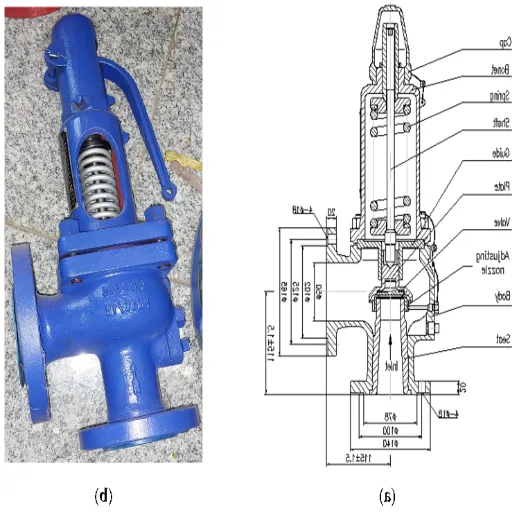
Flanged vs. Wafer-Style Butterfly Valves
While wafer and lug valves are standard, another type is the flanged butterfly valve. This design features two flanges cast into the valve body. These flanges bolt directly to the pipe flanges, creating a powerful and rigid connection. Flanged valves are often used in larger pipe sizes and in high-pressure or high-temperature applications where a robust connection is necessary.
Compared to wafer-style valves, flanged valves are heavier, bulkier, and more expensive. However, they offer superior sealing and stability. Wafer valves are lightweight and cost-effective, but cannot be used for end-of-line service. Lug valves offer a middle ground, providing end-of-line service capability like a flanged valve but with a more compact profile. The choice often comes down to a trade-off between cost, weight, and the need for dead-end service capability.
Double Offset and Triple Offset Butterfly Valves
For applications beyond basic on/off functions, high-performance butterfly valves with offset designs are required. These are often called "eccentric" butterfly valves.
A double offset butterfly valve has two offsets. The first offset moves the disc shaft from the centerline of the valve seat. The second offset shifts the disc shaft from the pipe's centerline. This geometry causes the disc to lift off the seat as it begins to open, much like a cam action. This reduces friction between the disc and the seat, significantly extending the valve's life and reducing the torque required to operate it. Double offset valves are suitable for higher-pressure, higher-temperature applications than concentric (zero offset) valves.
A triple-offset butterfly valve adds a third offset: the cone-shaped seating surface. This design eliminates rubbing between the disc and the seat throughout the valve's opening and closing cycle. The disc only makes contact with the seat at the final moment of closure, creating a bubble-tight seal. This friction-free operation makes triple offset valves ideal for the most demanding applications, including high-pressure steam, corrosive chemicals, and extreme temperatures. They offer the longevity and sealing integrity of more expensive gate or ball valves, but in a more compact, quarter-turn design.
Eccentric Butterfly Valves: Features and Benefits
Eccentric butterfly valves, including both double- and triple-offset designs, represent a significant evolution from the basic concentric valve. The key benefit of the offset geometry is the reduction of wear and tear on the sealing components.
In a concentric valve, the disc is in constant contact with the soft seat, causing friction and wear with every cycle. In an eccentric valve, the cam-like motion of the disc minimizes this contact. This results in:
Longer Service Life: Reduced friction extends the service life of the seat and disc, reducing maintenance needs and replacement costs.
Lower Operating Torque: Less force is required to open and close the valve, enabling more miniature, less expensive actuators.
Improved Sealing: The design allows metal-to-metal seating in triple-offset valves, enabling bubble-tight shutoff even in harsh conditions where soft seats would fail.
These features make eccentric butterfly valves the preferred choice for throttling services and for applications involving abrasive or corrosive media, high pressures, or extreme temperatures.
Industrial Applications of Butterfly Valves
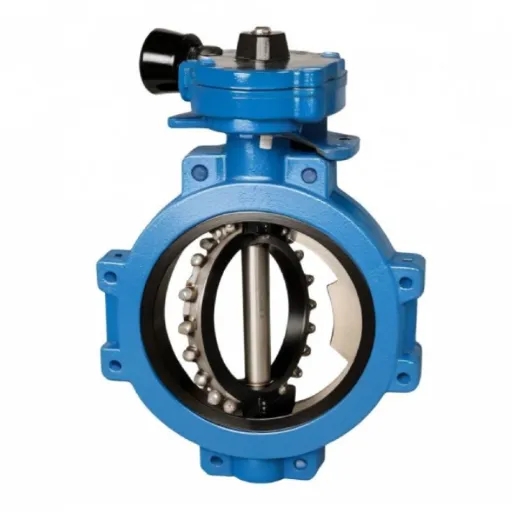
Common Uses in Industrial Settings
Butterfly valves are integral to many industrial processes. Here are some of the most common applications:
Water and Wastewater Treatment: Their ability to handle large volumes of fluids and slurries makes them ideal for municipal water systems, desalination plants, and wastewater treatment facilities.
Chemical Processing: For corrosive or aggressive media, high-performance triple-offset valves with metal seats provide reliable, leak-free service.
HVAC Systems: Lightweight and compact wafer valves are commonly used in heating, ventilation, and air conditioning systems for flow control.
Food and Beverage: Sanitary stainless-steel butterfly valves are used to ensure product purity and prevent contamination.
Power Generation: In power plants, butterfly valves handle cooling water, steam, and other process fluids, often in high-pressure and high-temperature environments.
Oil and Gas: Triple offset valves are used in upstream and downstream applications for their robust performance and fire-safe designs.
Advantages of Using Butterfly Valves in Control Systems
Butterfly valves are well-suited for use in automated control systems. Their quarter-turn operation allows for quick response times, and their design can be easily fitted with pneumatic, electric, or hydraulic actuators.
The flow characteristics of a butterfly valve make it effective for throttling and modulating flow. When an equal percentage flow characteristic is desired, a butterfly valve can provide precise control over a wide range of disc positions. This makes them a cost-effective alternative to more complex control valves in many applications. Furthermore, their simple design with few moving parts reduces the potential for failure and makes maintenance easier, contributing to the overall reliability of the control system.
Choosing the Right Valve Type for Specific Applications
The selection process must be methodical and consider all operational parameters.
For low-pressure water lines, a simple concentric, soft-seated wafer butterfly valve is often sufficient and highly economical.
In a chemical plant handling corrosive acids, a triple-offset valve with a metal seat and a corrosion-resistant alloy body is necessary to ensure safety and longevity.
For end-of-line service in a food processing plant, a lug-style sanitary butterfly valve would allow for easy maintenance without contaminating the system.
In a high-pressure steam line in a power plant, only a triple offset butterfly valve could provide the required bubble-tight shutoff and withstand the extreme conditions.
Matching the valve to the application is not just about performance—it's about safety, efficiency, and total cost of ownership.
Selecting the Right Butterfly Valve
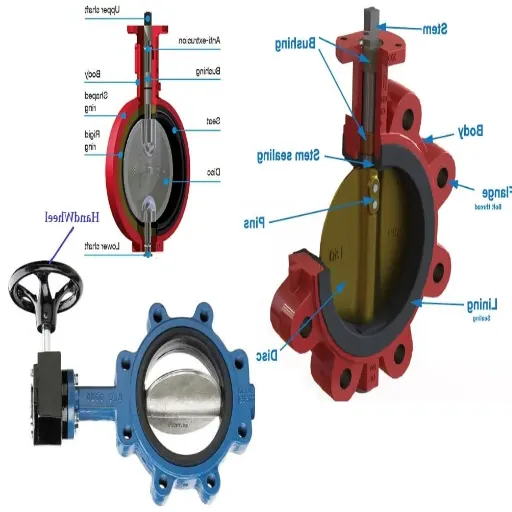
Key Considerations for Valve Selection
When selecting a butterfly valve, work through this checklist of key factors:
Fluid Properties: What is the medium? Is it corrosive, abrasive, or gaseous? This will determine the required materials for the body, disc, and seat.
Pressure and Temperature: What are the maximum operating and design pressures and temperatures? This will dictate whether a concentric or high-performance offset valve is needed.
Function: Is the valve for simple on/off service, or will it be used for throttling? Throttling applications often require an offset design for better control and durability.
Connection Type: Does the application require dead-end service? If so, a lug- or flanged-valve is necessary. If not, a wafer valve may be more economical.
Standards and Certifications: Does the application require specific industry standards, such as fire-safe (API 607) or sanitary (3-A) certifications?
Answering these questions will guide you to the butterfly valve type that offers the best performance and value for your specific context.
Future Trends in Butterfly Valve Design
The evolution of butterfly valve technology continues, driven by the demand for greater efficiency, reliability, and intelligence. We are seeing a move towards smarter valves equipped with sensors and diagnostic capabilities. These "smart valves" can monitor their own performance, predict maintenance needs, and integrate seamlessly into digital plant control systems (Industry 4.0).
Materials science is also playing a role, with new alloys and polymers being developed to handle even more extreme temperatures and aggressive chemicals. Additionally, advancements in manufacturing, such as 3D printing, are making it possible to create highly customized valve designs for niche applications, further expanding the versatility of the butterfly valve.
Final Thoughts on Valve Performance and Efficiency
The right butterfly valve can significantly enhance the performance and efficiency of your fluid control system. By carefully selecting the appropriate type—be it wafer, lug, double offset, or triple offset—you ensure reliable operation, minimize downtime, and reduce long-term costs. From simple water lines to complex chemical processing, there is a butterfly valve designed to meet the challenge. As technology advances, these essential components will only become more intelligent, durable, and integral to modern industry.
Recently Posted
-
Understanding the Functions of Suction Valve and Discharge Valve in Pump Systems
December 18, 2025Industrial pump systems rely on precise mechanical coordination to transport fluids effectively. At the heart of this process are Read More
 -
Exploring Advanced Technologies in Air Compressor Discharge Valve Manufacturing
December 17, 2025The efficiency of any pneumatic system relies heavily on the performance of its smallest components. Among these, the air compress Read More
 -
Exploring Different Discharge Valve Types for Efficient Fluid Flow Management
December 16, 2025Industrial systems rely heavily on precision components to maintain safety, efficiency, and operational integrity. Among these com Read More
 -
How the Discharge Valve AC Affects Performance and Longevity of Cooling Systems
December 15, 2025The efficiency of any air conditioning system relies heavily on the precise coordination of its internal components. While the com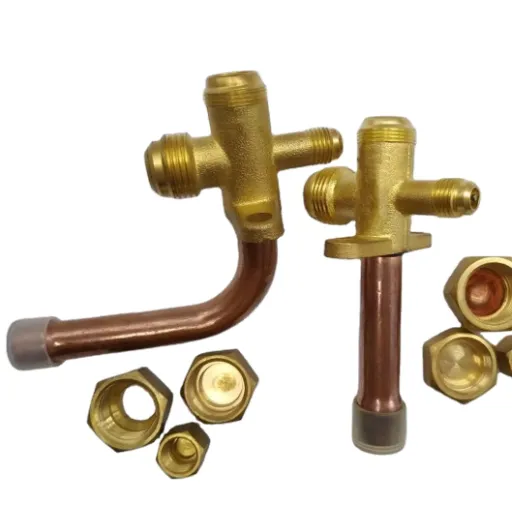 Read More

Contact Us
Recommended Products
-
 DN1000 Insertion Type Ultrasonic Flow Meter for Clean Water Pure WaterNegotiableMOQ: 100 Sets
 -
Advanced Electromagnetic Flowmeter With Integrated Liquid Measurement TechnologyNegotiableMOQ: 10 Units
-
High Precision Electromagnetic Flow Meter for Southeast Asia Export - Easy Installation & Reliable After-SaleNegotiableMOQ: 10 Units
-
Advanced Digital Vortex Flow Meter for Accurate Water and Liquid MeasurementNegotiableMOQ: 10 Pieces
-
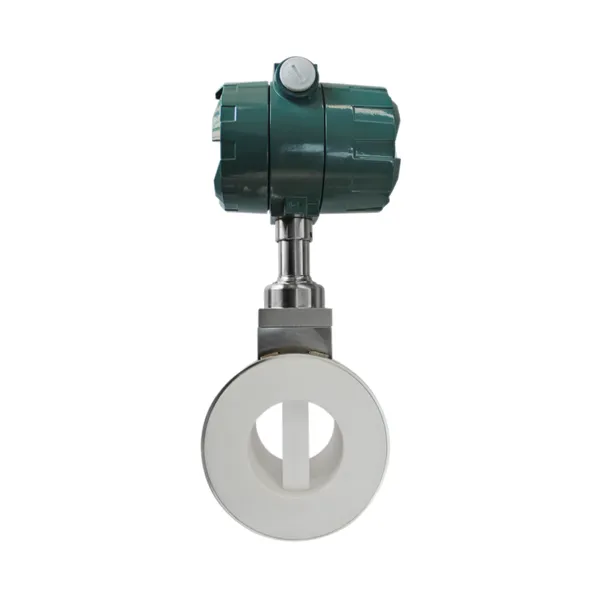
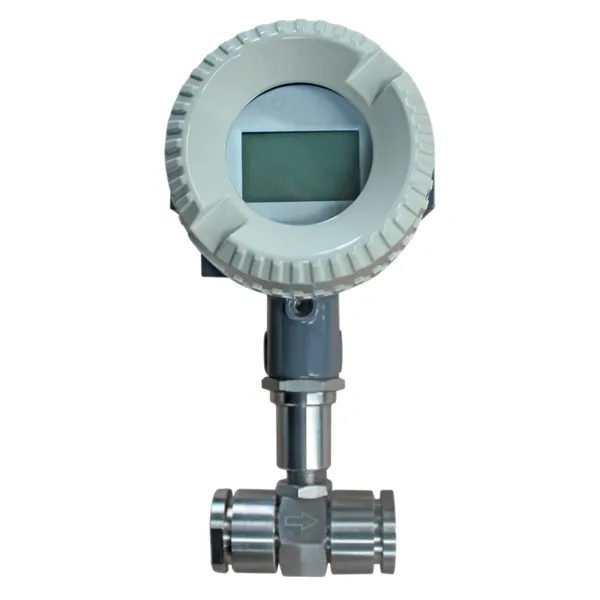
DN50 304 Stainless Steel Turbine Flowmeter for Diesel Oil MeasurementNegotiableMOQ: 10 Units
-
Low-Temperature Turbine Flowmeter for Liquid Nitrogen Applications in Cryogenic SystemsNegotiableMOQ: 10 Units
-
Industrial UV Disinfection Machine for Food & Beverage Industry - UVTunnelTM Tech, 1-40℃ Working TempNegotiableMOQ: 1 Set
-
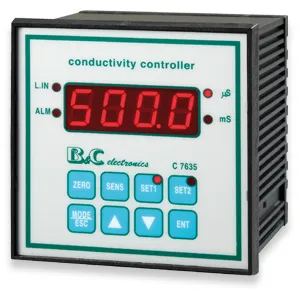
C 7635 High-purity Water Conductivity Transmitter With Automatic Temperature Compensation 0-100°CNegotiableMOQ: 1 Set
-
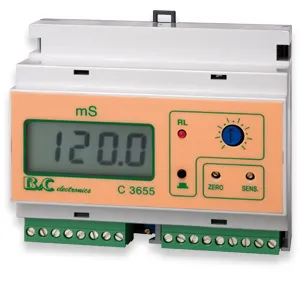
C 3655 Conductivity Meter Output Conductivity Transmitter With IP65 Waterproof HousingNegotiableMOQ: 1 Set
-
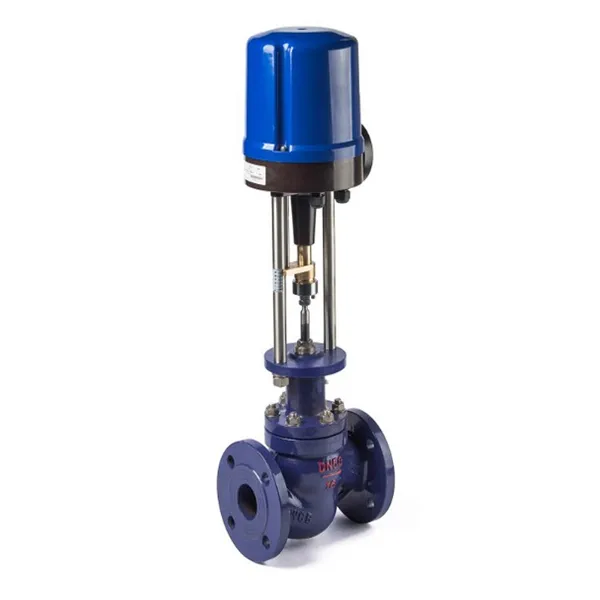
High Performance Electric Regulating Valve for Environmental Protection Water Treatment SystemsNegotiableMOQ: 1 Piece
-
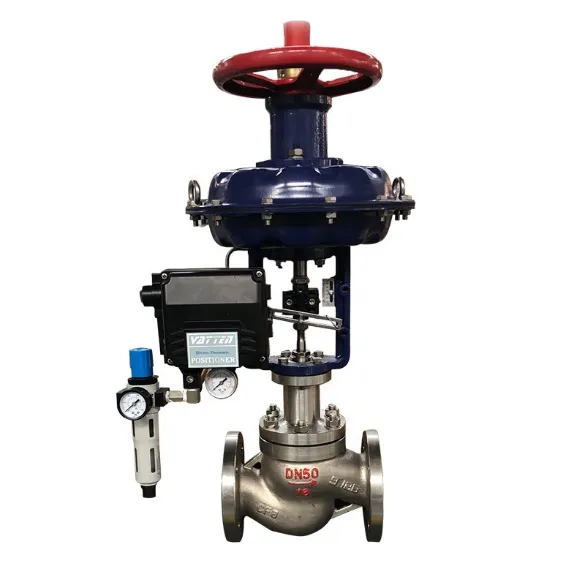
High Quality Pneumatic Control Valve for Chemical Pharmaceutical Industry Chinese Strong Factory With Spot StockNegotiableMOQ: 1 Piece
-
Pneumatic or Electric Actuator Compatible Full Fluorine-Lined Butterfly Valve With On/Off and Smart Regulating OptionsNegotiableMOQ: 1 Set
-
Powder Conveying Specialized Pneumatic Y-Type Ball Valve, Full Bore Design With No Dead Space for Clean MediaNegotiableMOQ: 1 Set
-
Manual, Pneumatic, or Electric Flanged Ball Valve With ISO5211 High Platform, Easy 90-Degree Operation for Fluid ControlNegotiableMOQ: 1 Set
-
Zero Leakage Full Fluorine-Lined Butterfly Valve Featuring Superior Corrosion Resistance and Long Service LifeNegotiableMOQ: 1 Set
-
Bottom Discharge Valve VTF-88-3 Series, DN25-DN300, Stainless Steel 316L/Carbon Steel, PN10/PN16 Class 150, Manual or Pneumatic ActuationNegotiableMOQ: 1 Set
-
Cost-Effective Knife Gate Valve With Rigid/Elastic Gate Options - Ensures Tight Shutoff and High Performance in Diverse Industrial SettingsNegotiableMOQ: 1 Set
-
FLS PH/ORP 200 Epoxy Resin Body Glass Bulb Electrode (Single-Junction/Double-Junction Versions)NegotiableMOQ: 100 Pieces
-
FLS F3.20 Flow Sensor Optimized for HVAC Systems, Cooling Units, and Boiler Feed Water, Featuring Low Maintenance and High Precision AccuracyNegotiableMOQ: 100 Pieces
-
FLS F3.80 Oval Gear Flow Sensor – High Precision for High-Viscosity Liquids (10-150L/h, IP65)NegotiableMOQ: 100 Pieces