
 Business License

Key Benefits of Using UV Cleaning Machines for Hospital Environments
Hospitals are on the front lines of public health, and maintaining a sterile environment is critical to patient safety. While traditional cleaning methods are essential, healthcare-associated infections (HAIs) remain a significant challenge. Advanced technologies are needed to supplement these practices, and UV cleaning machines have emerged as a powerful solution. By harnessing ultraviolet light, hospitals can achieve a higher level of disinfection, protect vulnerable patients, and enhance overall hygiene standards.
This guide will explore the science behind UV cleaning machines, their benefits in a hospital setting, and how to integrate them effectively into existing workflows. We will cover the different types of UV disinfection technology, compare it to manual cleaning, and discuss essential safety considerations. By the end, you'll have a comprehensive understanding of how UV cleaning can revolutionize hospital sanitation.
Understanding UV Light Disinfection Technologies
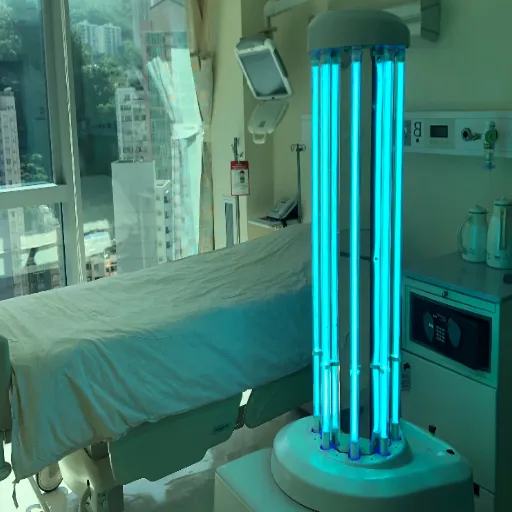
What is UV-C Light and How Does it Work?
UV-C light operates at a wavelength between 200 and 280 nanometers. This specific range is highly effective at disrupting the genetic material of microorganisms. When pathogens like bacteria, viruses, and fungi are exposed to UV-C light, their DNA and RNA are damaged. This process, known as photochemical damage, prevents the microorganisms from replicating and causing infection. Essentially, the UV-C light inactivates the pathogens, rendering them harmless.
The effectiveness of UV-C disinfection depends on several factors, including the intensity of the light, the duration of exposure, and the distance between the light source and the surface being sanitized. For a UV cleaning machine in a hospital to be effective, it must deliver a sufficient dose of UV-C radiation to all targeted areas.
Types of UV Cleaning Machines Available
Hospitals can choose from several types of UV cleaning machines, each designed for different applications and spaces. The primary categories include:
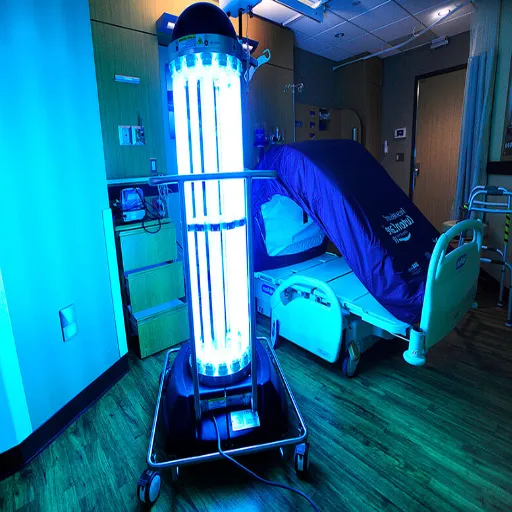
Mobile UV Disinfection Robots: These autonomous or remotely controlled units can navigate hospital rooms and operating theaters independently. They are programmed to deliver a precise dose of UV-C light to all surfaces, including hard-to-reach areas. Their mobility makes them ideal for disinfecting entire patient rooms, ICUs, and surgical suites after manual cleaning.
Stationary UV Towers: These are powerful, manually positioned units that emit UV-C light from a central point. They are often used in operating rooms or patient rooms and may need to be moved to multiple positions within a single room to ensure complete coverage and eliminate shadows.
UV-C Cabinets: Smaller, enclosed units are used to disinfect high-touch items like mobile phones, tablets, stethoscopes, and other medical equipment. Staff can place items inside, and a quick UV-C light cycle sanitizes them.
Advantages of UV-C Disinfection in Hospitals
Efficiency in Inactivating Pathogens
One of the most significant advantages of UV-C technology is its ability to inactivate a broad spectrum of pathogens quickly and efficiently. It has been proven effective against common hospital-acquired bacteria, such as Methicillin-resistant Staphylococcus aureus (MRSA) and Clostridium difficile (C. diff), as well as viruses such as influenza and coronaviruses. Unlike chemical disinfectants, microorganisms are less likely to develop resistance to UV-C light.
Reduction of Healthcare-Associated Infections
Healthcare-associated infections are a major concern, leading to prolonged hospital stays, increased treatment costs, and higher patient mortality rates. By adding UV-C disinfection to routine cleaning protocols, hospitals can significantly reduce the microbial load on surfaces. This enhanced level of cleanliness helps break the chain of infection, leading to a measurable decrease in HAI rates. Studies have consistently shown that facilities using UV-C technology report lower infection rates compared to those relying solely on manual cleaning.
Enhancing Hygiene in Patient Rooms
Patient rooms are high-traffic areas with numerous high-touch surfaces, including bed rails, call buttons, tables, and light switches. Even with diligent manual cleaning, it can be not easy to disinfect every surface perfectly. UV cleaning machines provide a comprehensive, no-touch solution that reaches areas that might be missed. This ensures a more consistently hygienic environment for each new patient, reducing the risk of cross-contamination.
Implementing UV Cleaning Machines in Hospital Workflows
Integrating UV Disinfection Robots into Daily Operations
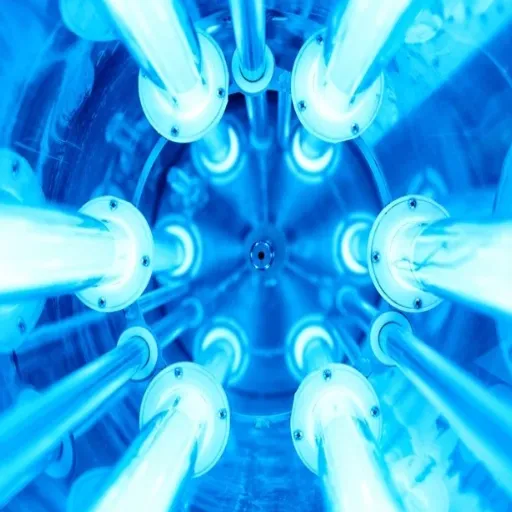
For maximum efficiency, UV disinfection should become standard in the terminal cleaning process for patient rooms. After a patient is discharged, environmental services (EVS) staff perform a thorough manual cleaning. Once the room is clean, a UV disinfection robot or tower is brought in to complete the process. The machine runs for a predetermined cycle time, typically 10-15 minutes, to sanitize the entire room before it is prepared for the next patient.
Manual Cleaning vs. UV-C Technology: A Comparative Analysis
It's important to understand that UV-C disinfection is not a replacement for manual cleaning. Instead, it is a powerful supplement.
Manual Cleaning: Essential for removing physical dirt, dust, and organic matter. Disinfectants applied manually are effective but can be subject to human error, with some surfaces being missed.
UV-C Technology: Provides broad, no-touch surface disinfection. It inactivates pathogens but does not remove physical debris. Shadows can block its effectiveness, so it cannot disinfect surfaces not in its direct line of sight.
The most effective approach combines both methods. Manual cleaning first removes dirt and prepares the surfaces, and then UV-C disinfection provides a final, comprehensive germicidal dose to kill any remaining microorganisms.
Challenges and Considerations in UV Disinfection
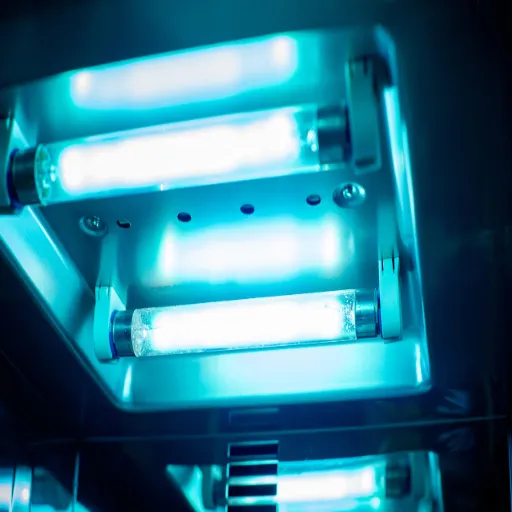
Understanding the Limitations of UV Light Sanitizers
UV-C light only disinfects surfaces that it can directly reach. Any area that is in a shadow—whether cast by furniture, equipment, or even a fold in a curtain—will not be disinfected. This is why some mobile robots are designed to move to multiple positions in a room, and why staff need to prepare the room by opening cabinets and moving objects away from walls.
Occupancy Considerations and Safety Protocols
UV-C radiation is harmful to human skin and eyes. Therefore, no one should ever be in a room while a UV cleaning machine is in operation. All UV-C systems are equipped with safety features, such as motion sensors that automatically shut the machine off if someone enters the room. Staff must be thoroughly trained on safety protocols, which include:
Verifying that the room is empty before starting a cycle.
Placing warning signs on the door to prevent accidental entry.
Never look directly at the UV-C light source.
By adhering to these safety measures, hospitals can safely and effectively use UV-C technology.
Recently Posted
-
Understanding the Functions of Suction Valve and Discharge Valve in Pump Systems
December 18, 2025Industrial pump systems rely on precise mechanical coordination to transport fluids effectively. At the heart of this process are Read More
 -
Exploring Advanced Technologies in Air Compressor Discharge Valve Manufacturing
December 17, 2025The efficiency of any pneumatic system relies heavily on the performance of its smallest components. Among these, the air compress Read More
 -
Exploring Different Discharge Valve Types for Efficient Fluid Flow Management
December 16, 2025Industrial systems rely heavily on precision components to maintain safety, efficiency, and operational integrity. Among these com Read More
 -
How the Discharge Valve AC Affects Performance and Longevity of Cooling Systems
December 15, 2025The efficiency of any air conditioning system relies heavily on the precise coordination of its internal components. While the com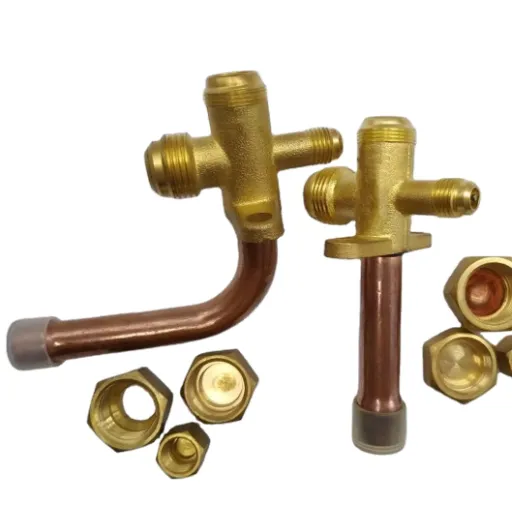 Read More

Contact Us
Recommended Products
-
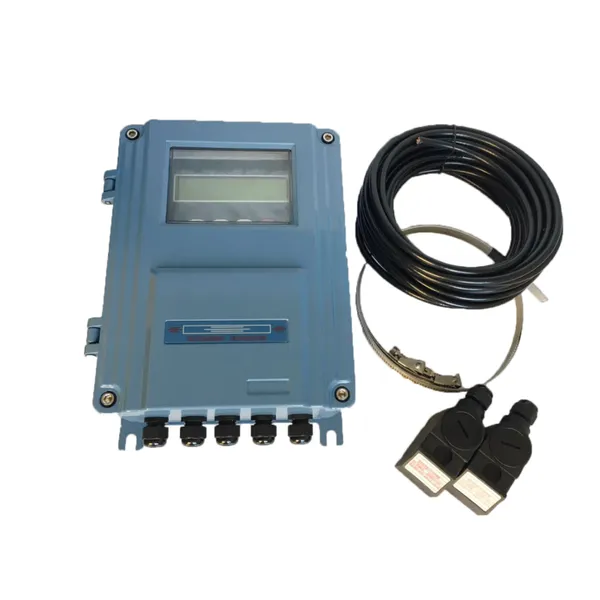
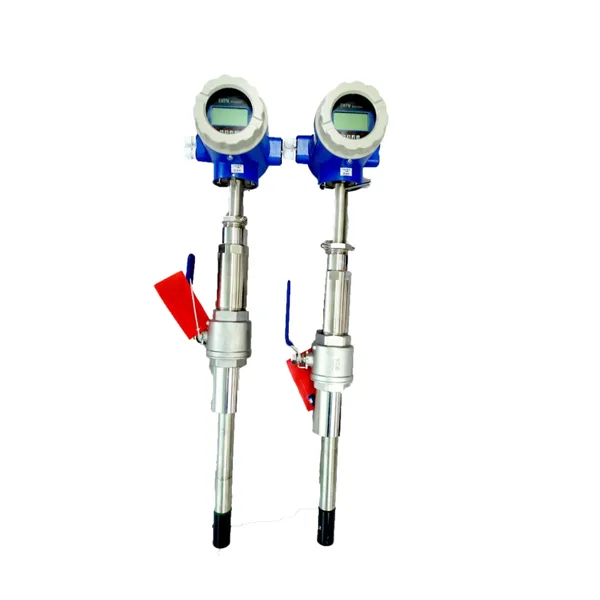
 DN1000 Insertion Type Ultrasonic Flow Meter for Clean Water Pure WaterNegotiableMOQ: 100 Sets
 -
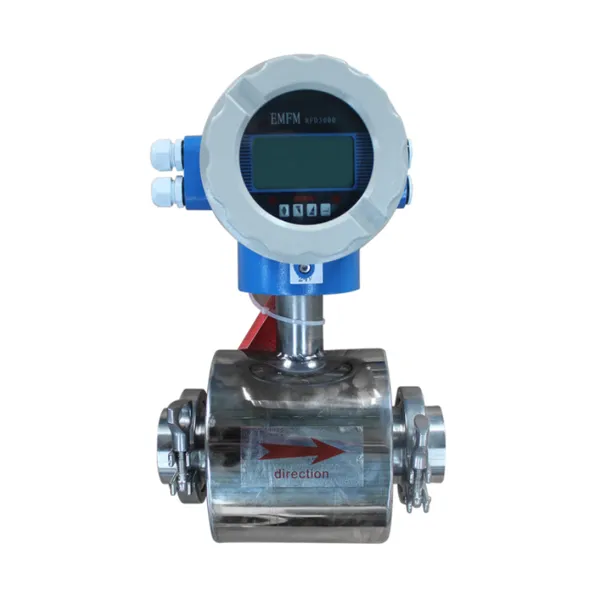
Advanced Electromagnetic Flowmeter With Integrated Liquid Measurement TechnologyNegotiableMOQ: 10 Units
-
High Precision Electromagnetic Flow Meter for Southeast Asia Export - Easy Installation & Reliable After-SaleNegotiableMOQ: 10 Units
-
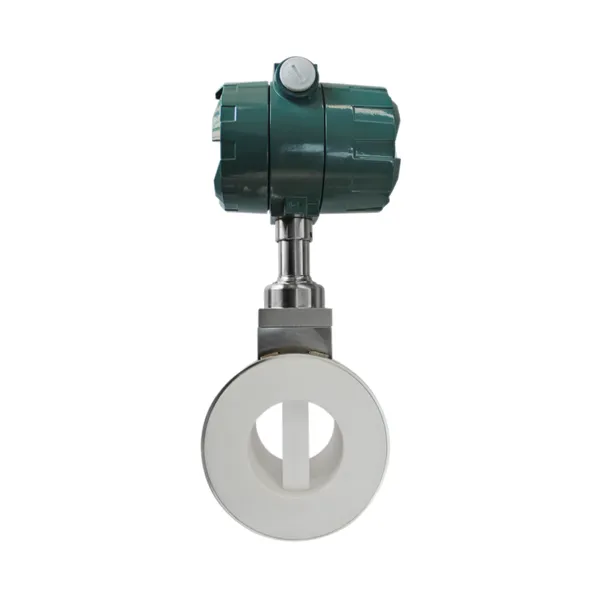
Advanced Digital Vortex Flow Meter for Accurate Water and Liquid MeasurementNegotiableMOQ: 10 Pieces
-
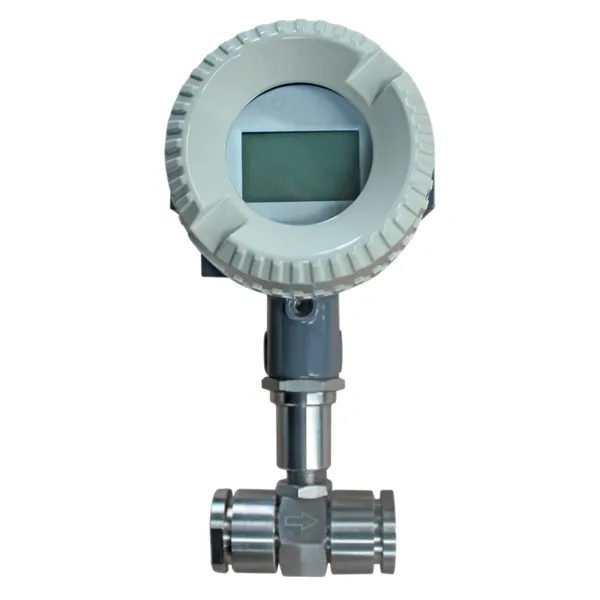
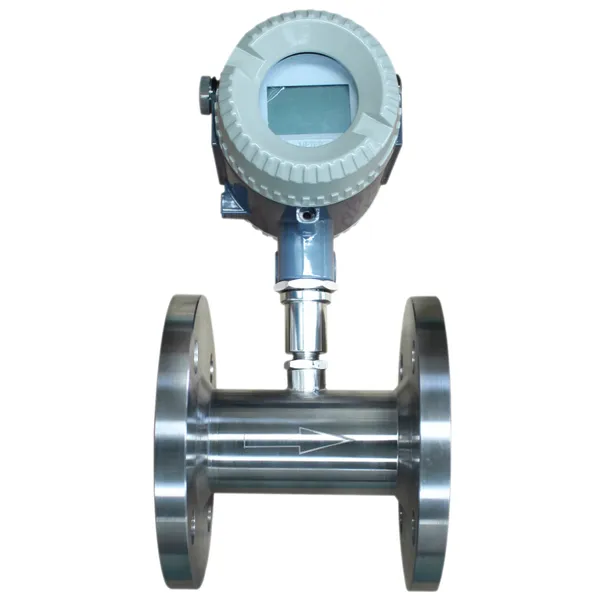
DN50 304 Stainless Steel Turbine Flowmeter for Diesel Oil MeasurementNegotiableMOQ: 10 Units
-
Low-Temperature Turbine Flowmeter for Liquid Nitrogen Applications in Cryogenic SystemsNegotiableMOQ: 10 Units
-
Industrial UV Disinfection Machine for Food & Beverage Industry - UVTunnelTM Tech, 1-40℃ Working TempNegotiableMOQ: 1 Set
-
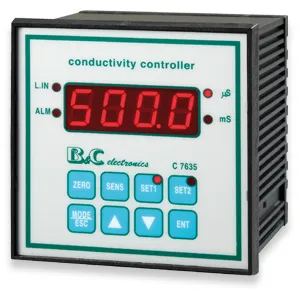
C 7635 High-purity Water Conductivity Transmitter With Automatic Temperature Compensation 0-100°CNegotiableMOQ: 1 Set
-
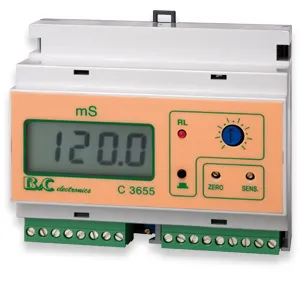
C 3655 Conductivity Meter Output Conductivity Transmitter With IP65 Waterproof HousingNegotiableMOQ: 1 Set
-
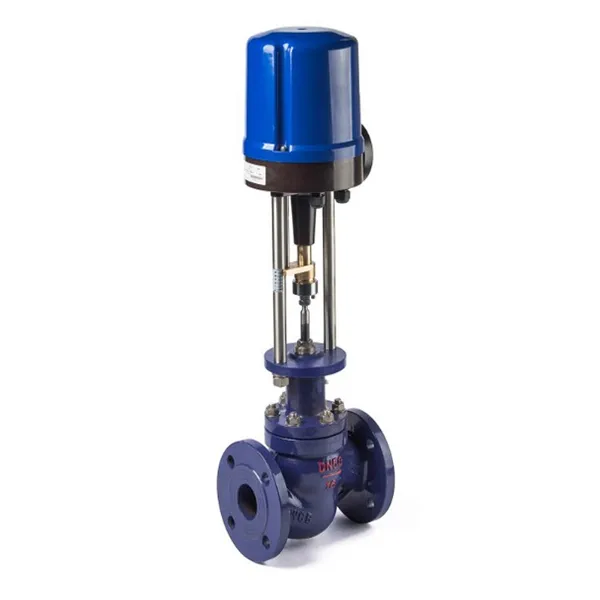
High Performance Electric Regulating Valve for Environmental Protection Water Treatment SystemsNegotiableMOQ: 1 Piece
-
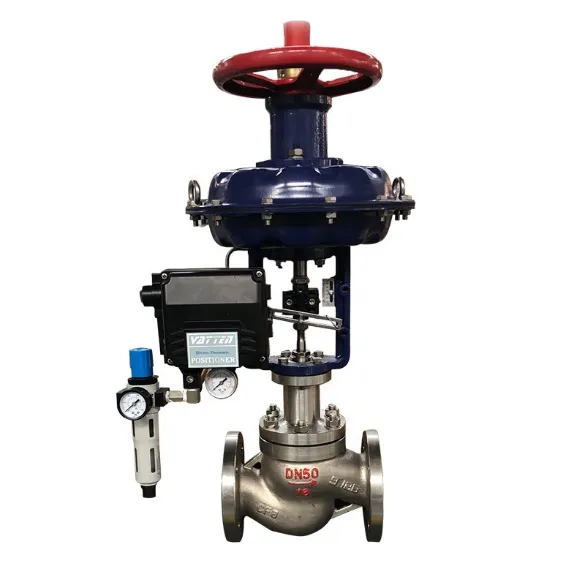
High Quality Pneumatic Control Valve for Chemical Pharmaceutical Industry Chinese Strong Factory With Spot StockNegotiableMOQ: 1 Piece
-
Pneumatic or Electric Actuator Compatible Full Fluorine-Lined Butterfly Valve With On/Off and Smart Regulating OptionsNegotiableMOQ: 1 Set
-
Powder Conveying Specialized Pneumatic Y-Type Ball Valve, Full Bore Design With No Dead Space for Clean MediaNegotiableMOQ: 1 Set
-
Manual, Pneumatic, or Electric Flanged Ball Valve With ISO5211 High Platform, Easy 90-Degree Operation for Fluid ControlNegotiableMOQ: 1 Set
-
Zero Leakage Full Fluorine-Lined Butterfly Valve Featuring Superior Corrosion Resistance and Long Service LifeNegotiableMOQ: 1 Set
-
Bottom Discharge Valve VTF-88-3 Series, DN25-DN300, Stainless Steel 316L/Carbon Steel, PN10/PN16 Class 150, Manual or Pneumatic ActuationNegotiableMOQ: 1 Set
-
Cost-Effective Knife Gate Valve With Rigid/Elastic Gate Options - Ensures Tight Shutoff and High Performance in Diverse Industrial SettingsNegotiableMOQ: 1 Set
-
FLS PH/ORP 200 Epoxy Resin Body Glass Bulb Electrode (Single-Junction/Double-Junction Versions)NegotiableMOQ: 100 Pieces
-
FLS F3.20 Flow Sensor Optimized for HVAC Systems, Cooling Units, and Boiler Feed Water, Featuring Low Maintenance and High Precision AccuracyNegotiableMOQ: 100 Pieces
-
FLS F3.80 Oval Gear Flow Sensor – High Precision for High-Viscosity Liquids (10-150L/h, IP65)NegotiableMOQ: 100 Pieces