
 Business License

Exploring the Benefits of UV Disinfection Water Treatment for Clean and Safe Water
Access to clean, safe drinking water is something many take for granted, but ensuring its purity is a complex process. Traditional methods often rely on chemicals, which can have drawbacks of their own. A modern, practical alternative is gaining traction: UV disinfection water treatment. This technology uses ultraviolet light to neutralize harmful microorganisms, offering a chemical-free way to ensure water safety.This guide explains how UV disinfection works, explores its benefits for both homes and businesses, and discusses key considerations for implementing this technology. Understanding UV treatment helps you make a more informed decision about how best to protect your water supply.
Introduction to UV Disinfection
What is Ultraviolet (UV) Disinfection?
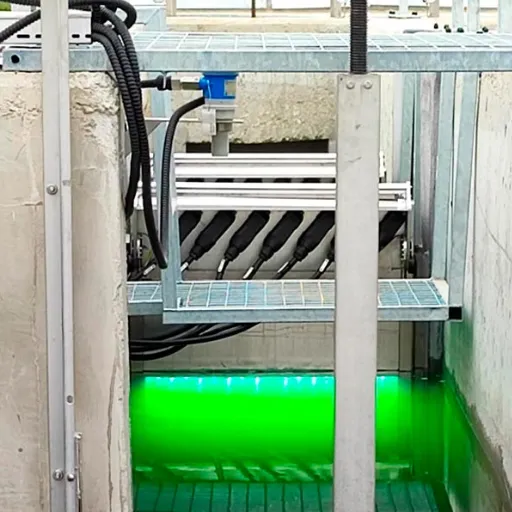
Ultraviolet (UV) disinfection is a water treatment method that uses specific UV light to inactivate microorganisms such as bacteria, viruses, and protozoa. Unlike chemical methods that add substances to the water, UV treatment is a physical process that purifies water without altering its taste, odor, or color.
The core of this technology is its ability to disrupt pathogens' genetic materialf , rendering them unable to reproduce and cause illness. It's a highly effective and reliable method for ensuring water is safe for consumption.
How UV-C Works in Water Treatment
The UV spectrum contains different types of light, but it's the UV-C portion that is used for disinfection. Here’s how the process works:
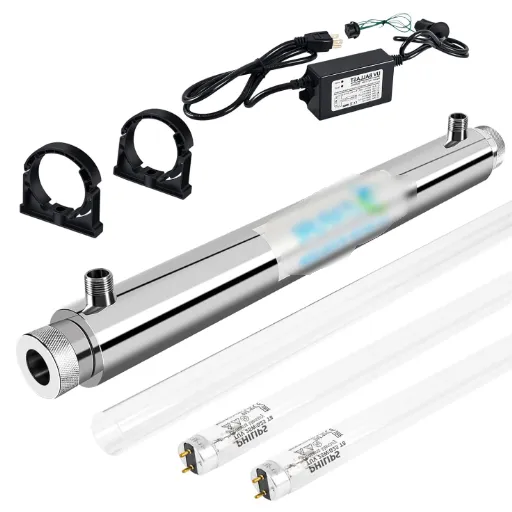
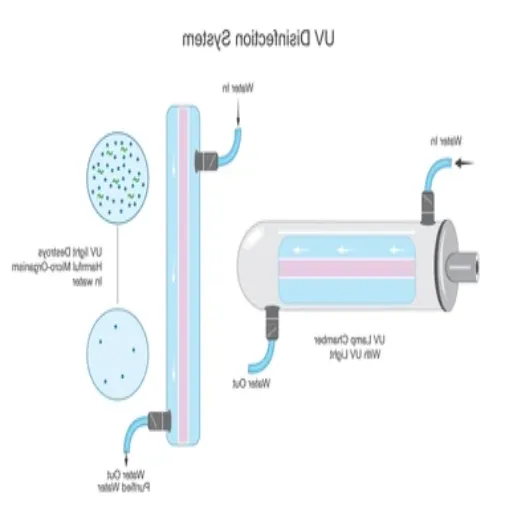
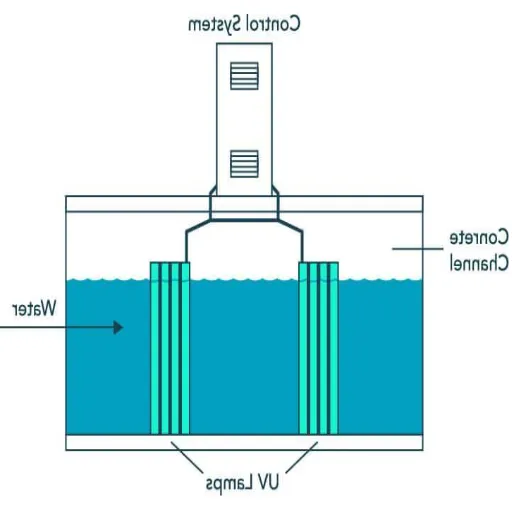
Water flows through a chamber containing a UV lamp.
This lamp emits UV-C light at a specific wavelength (typically 254 nanometers).
As microorganisms pass through the chamber, they are exposed to this UV-C energy.
The light penetrates the cell walls of pathogens and is absorbed by their DNA and RNA.
This absorption disrupts their genetic code, preventing them from multiplying and making them harmless.
Because the effectiveness depends on the UV dose—a combination of light intensity and exposure time—systems are designed to ensure all water receives a sufficient amount to achieve complete disinfection.
Benefits of UV Water Purification
Effectiveness Against Pathogens
UV treatment is exceptionally effective at eliminating a wide range of waterborne pathogens. It can neutralize microorganisms that are resistant to chlorine, such as Cryptosporidium and Giardia. This broad-spectrum effectiveness makes it a reliable barrier against disease-causing bacteria and viruses, ensuring a high level of safety.
Advantages Over Chemical Disinfection
Unlike chlorine, UV disinfection does not create harmful disinfection byproducts (DBPs), such as trihalomethanes, which are known carcinogens. Other key advantages include:
No Chemical Residue: It doesn't add any chemicals to the water, so the taste and odor remain unchanged.
Rapid Action: The disinfection process is nearly instantaneous as water flows through the UV chamber.
Safe Handling: There are no hazardous chemicals to store or handle, improving safety for operators.
Environmentally Friendly Solution
UV purification is a green technology. It requires only a small amount of energy to operate the UV lamp and produces no chemical waste. This makes it a sustainable choice for water treatment, minimizing the environmental footprint required to ensure water safety.
Types of UV Disinfection Systems
Residential UV Water Purifiers
For homes, point-of-entry (POE) systems are typically installed where the main water line enters the house. These units treat all the water used in the home, providing safe water from every tap. Smaller point-of-use (POU) systems can also be installed under a sink to treat water for a single faucet, which is a popular option for kitchen use.
Commercial UV Water Treatment Solutions
Commercial applications require much larger, more robust systems capable of handling high flow rates. These are used in various industries, including:
Municipal water treatment plants
Hospitals and healthcare facilities
Food and beverage production
Pharmaceutical manufacturing
These systems are critical for maintaining water quality standards and protecting public health on a larger scale.
Comparison of UV Water Filters
When comparing UV systems, it's important to look at factors like flow rate capacity, UV dose delivery, lamp life, and certification from organizations like NSF International. High-quality systems will offer features like a UV sensor to monitor light intensity and an alarm to alert users if the system is not operating correctly, ensuring consistent performance.
Considerations for Using UV Disinfection
Disadvantages of UV Disinfection Systems
UV treatment has a few key limitations:
No Residual Disinfection: Unlike chlorine, UV does not leave a residual disinfectant in the water. This means it offers no protection against re-contamination as water travels through the pipes.
Water Quality Dependent: The effectiveness of UV light can be reduced by turbidity (cloudiness) or suspended solids in the water. These particles can shield microorganisms from the UV rays. Therefore, pre-filtration is often necessary.
Requires Electricity: UV systems need a constant power supply to operate.
Maintenance and Operational Costs
The primary maintenance task for a UV system is replacing the lamp, which typically needs to be done annually. The quartz sleeve that protects the lamp also needs regular cleaning to remove any mineral buildup that could block the UV light. Operational costs are generally low, consisting mainly of the electricity to power the lamp and the cost of annual lamp replacement.
Integration with Other Water Purification Systems
For optimal performance, UV disinfection is often used as part of a multi-stage water treatment system. It is commonly paired with sediment and carbon filters.
A sediment filter is placed before the UV unit to remove particles that could shield pathogens.
A carbon filter can be used to improve taste and odor by removing chlorine and other organic compounds.
This combination ensures comprehensive water purification, addressing a wide range of potential contaminants.
Recently Posted
-
Understanding the Functions of Suction Valve and Discharge Valve in Pump Systems
December 18, 2025Industrial pump systems rely on precise mechanical coordination to transport fluids effectively. At the heart of this process are Read More
 -
Exploring Advanced Technologies in Air Compressor Discharge Valve Manufacturing
December 17, 2025The efficiency of any pneumatic system relies heavily on the performance of its smallest components. Among these, the air compress Read More
 -
Exploring Different Discharge Valve Types for Efficient Fluid Flow Management
December 16, 2025Industrial systems rely heavily on precision components to maintain safety, efficiency, and operational integrity. Among these com Read More
 -
How the Discharge Valve AC Affects Performance and Longevity of Cooling Systems
December 15, 2025The efficiency of any air conditioning system relies heavily on the precise coordination of its internal components. While the com Read More

Contact Us
Recommended Products
-
 DN1000 Insertion Type Ultrasonic Flow Meter for Clean Water Pure WaterNegotiableMOQ: 100 Sets
 -
Advanced Electromagnetic Flowmeter With Integrated Liquid Measurement TechnologyNegotiableMOQ: 10 Units
-
High Precision Electromagnetic Flow Meter for Southeast Asia Export - Easy Installation & Reliable After-SaleNegotiableMOQ: 10 Units
-
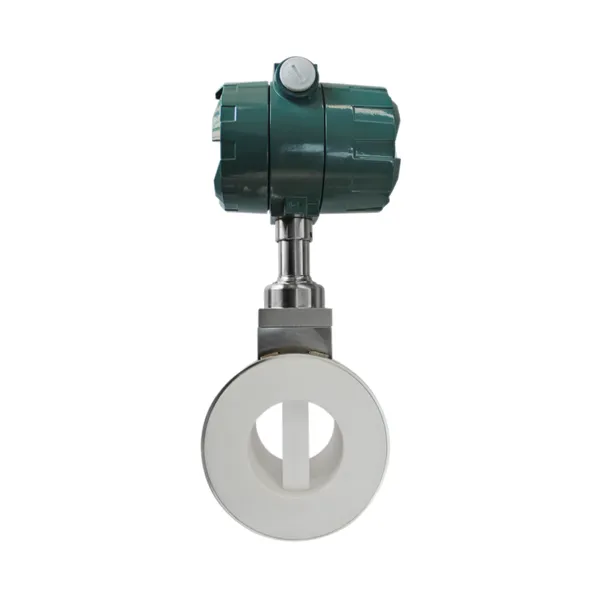
Advanced Digital Vortex Flow Meter for Accurate Water and Liquid MeasurementNegotiableMOQ: 10 Pieces
-
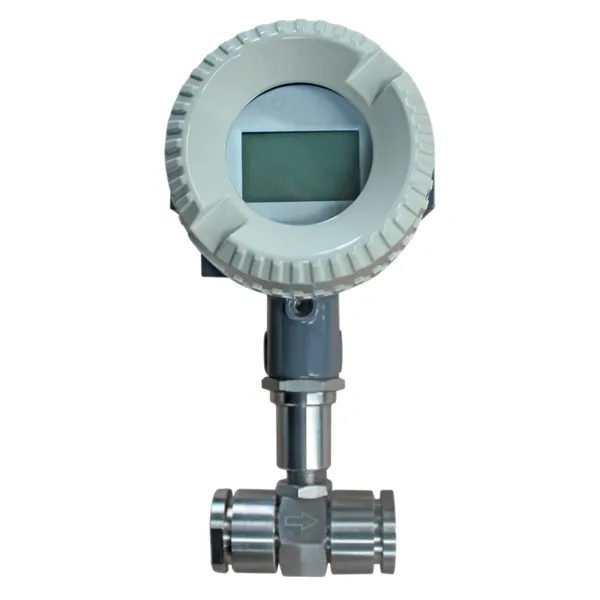
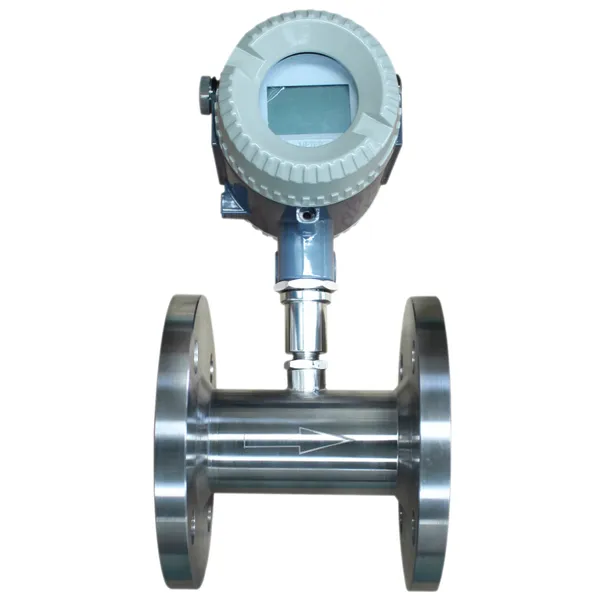
DN50 304 Stainless Steel Turbine Flowmeter for Diesel Oil MeasurementNegotiableMOQ: 10 Units
-
Low-Temperature Turbine Flowmeter for Liquid Nitrogen Applications in Cryogenic SystemsNegotiableMOQ: 10 Units
-
Industrial UV Disinfection Machine for Food & Beverage Industry - UVTunnelTM Tech, 1-40℃ Working TempNegotiableMOQ: 1 Set
-
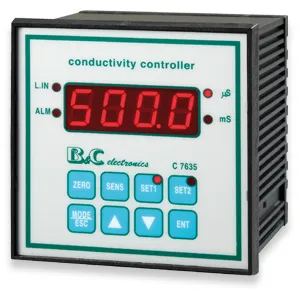
C 7635 High-purity Water Conductivity Transmitter With Automatic Temperature Compensation 0-100°CNegotiableMOQ: 1 Set
-
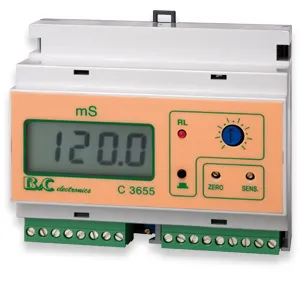
C 3655 Conductivity Meter Output Conductivity Transmitter With IP65 Waterproof HousingNegotiableMOQ: 1 Set
-
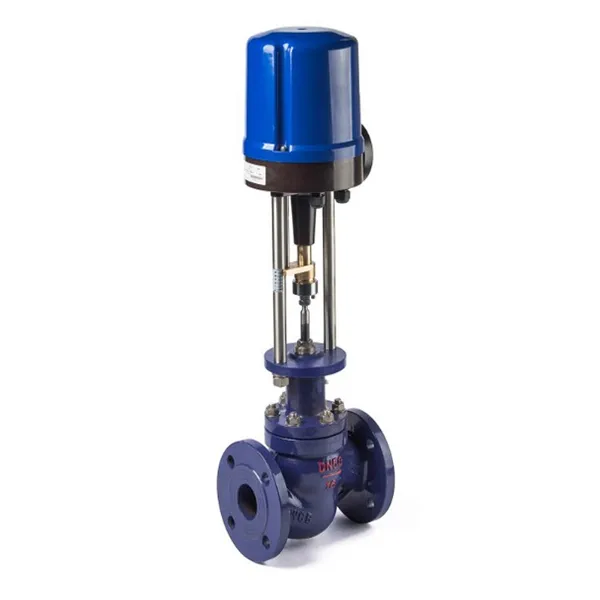
High Performance Electric Regulating Valve for Environmental Protection Water Treatment SystemsNegotiableMOQ: 1 Piece
-
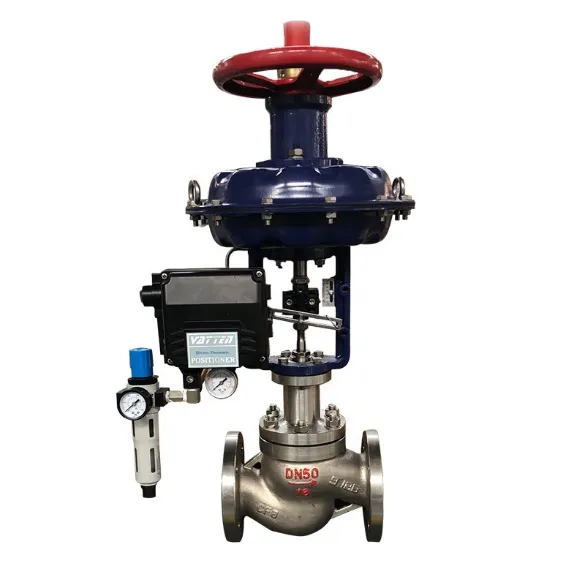
High Quality Pneumatic Control Valve for Chemical Pharmaceutical Industry Chinese Strong Factory With Spot StockNegotiableMOQ: 1 Piece
-
Pneumatic or Electric Actuator Compatible Full Fluorine-Lined Butterfly Valve With On/Off and Smart Regulating OptionsNegotiableMOQ: 1 Set
-
Powder Conveying Specialized Pneumatic Y-Type Ball Valve, Full Bore Design With No Dead Space for Clean MediaNegotiableMOQ: 1 Set
-
Manual, Pneumatic, or Electric Flanged Ball Valve With ISO5211 High Platform, Easy 90-Degree Operation for Fluid ControlNegotiableMOQ: 1 Set
-
Zero Leakage Full Fluorine-Lined Butterfly Valve Featuring Superior Corrosion Resistance and Long Service LifeNegotiableMOQ: 1 Set
-
Bottom Discharge Valve VTF-88-3 Series, DN25-DN300, Stainless Steel 316L/Carbon Steel, PN10/PN16 Class 150, Manual or Pneumatic ActuationNegotiableMOQ: 1 Set
-
Cost-Effective Knife Gate Valve With Rigid/Elastic Gate Options - Ensures Tight Shutoff and High Performance in Diverse Industrial SettingsNegotiableMOQ: 1 Set
-
FLS PH/ORP 200 Epoxy Resin Body Glass Bulb Electrode (Single-Junction/Double-Junction Versions)NegotiableMOQ: 100 Pieces
-
FLS F3.20 Flow Sensor Optimized for HVAC Systems, Cooling Units, and Boiler Feed Water, Featuring Low Maintenance and High Precision AccuracyNegotiableMOQ: 100 Pieces
-
FLS F3.80 Oval Gear Flow Sensor – High Precision for High-Viscosity Liquids (10-150L/h, IP65)NegotiableMOQ: 100 Pieces