
 Business License

Factors That Influence UV Disinfection Equipment Price in Today’s Market
Understanding the price of UV disinfection equipment requires looking at a range of factors, from the system's power to the quality of its materials. This guide breaks down the factors that influence the cost and what you need to know before making a purchase.
Understanding UV Disinfection Technology
What is UV Disinfection?
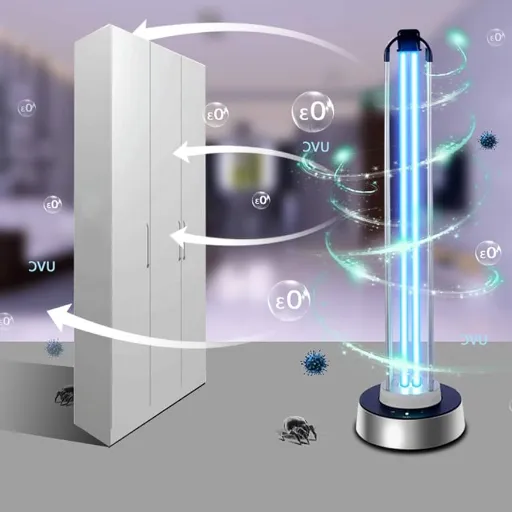
UV disinfection is a physical process that uses ultraviolet (UV) light, specifically the UV-C wavelength, to inactivate microorganisms like bacteria, viruses, and protozoa. By exposing these pathogens to a specific dose of UV light, the technology damages their DNA and RNA, rendering them incapable of reproducing and causing infection. This method doesn’t add any chemicals to the water, preserving its taste and odor.
How Ultraviolet Systems Work
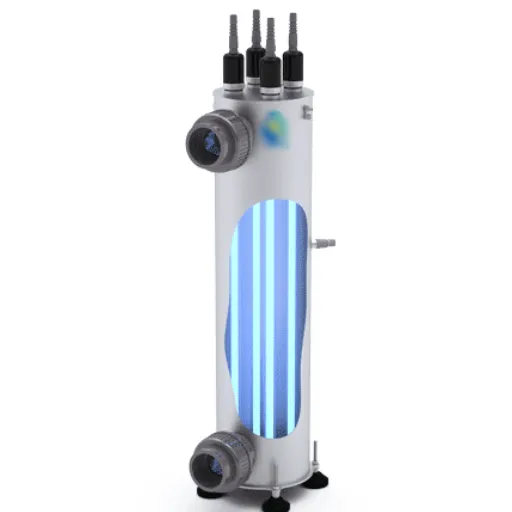
Ultraviolet (UV) disinfection systems work by channeling water, air, or other substances through a chamber that contains a UV lamp. This lamp emits UV-C light, which penetrates the cells of microorganisms and disrupts their genetic material.
Here’s a step-by-step look at the process:
Water Inlet: Water enters the UV disinfection system through an inlet port and flows into the main chamber.
UV Chamber: Inside the chamber, the water is exposed to UV-C light emitted from a specialized lamp. The chamber is typically made of stainless steel to reflect the UV rays and maximize their effectiveness.
UV Lamp and Quartz Sleeve: The UV lamp is protected by a quartz sleeve. This sleeve is transparent to UV light and keeps the lamp from coming into direct contact with the water, which helps regulate its temperature and extend its lifespan.
Pathogen Inactivation: As water flows past the lamp, the UV-C light penetrates microorganisms, damaging their DNA. This process, known as thymine dimerization, prevents the pathogens from replicating.
Water Outlet: After exposure, the treated water exits the system through an outlet port, now safe for consumption or use.
The effectiveness of this process depends on the UV dose, which is determined by the intensity of the light and the duration of exposure. Factors like water clarity and flow rate are crucial for ensuring all pathogens receive a sufficient UV dose.
Benefits of Chemical-Free Disinfection
Choosing a chemical-free method like UV disinfection comes with several advantages over traditional methods like chlorination.
No Harmful Byproducts: Unlike chlorine, UV disinfection doesn’t create harmful disinfection byproducts (DBPs), such as trihalomethanes (THMs), which are known to be carcinogenic.
Preserves Taste and Odor: The process doesn't alter the taste, odor, or color of the water, providing a more natural and pleasant drinking experience.
Effective Against a Wide Range of Pathogens: UV light is effective against a broad spectrum of microorganisms, including those that are resistant to chlorine, like Cryptosporidium and Giardia.
Safe and Low-Maintenance: UV systems are safe to operate and require minimal maintenance, typically involving an annual lamp replacement and periodic cleaning of the quartz sleeve.
Key Factors Affecting UV Disinfection Equipment Price
Type of UV System: Handheld vs. Whole House
The scale and application of the UV system are primary determinants of its price.
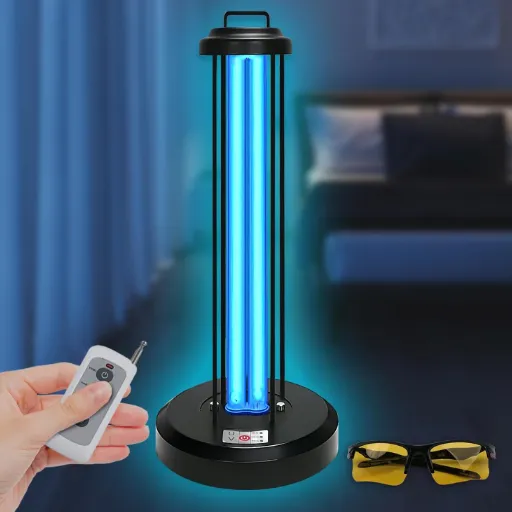
Handheld UV Sterilizers: These are small, portable devices designed for sterilizing surfaces or small quantities of water. They are often used for personal items like phones, keys, or for travel. Their small size, lower power, and limited application mean they are the most affordable option, with prices often ranging from $20 to $100.
Point-of-Use (POU) Systems: These systems are installed at a single tap, such as under a kitchen sink, to treat water for drinking and cooking. They are more powerful than handheld devices and are priced moderately, typically from $150 to $500.
Whole House (Point-of-Entry) Systems: These are the most comprehensive and expensive systems. Installed where the main water line enters the home, they treat all the water used throughout the house. Their higher capacity, greater power, and more robust construction lead to prices ranging from $400 to over $2,000, depending on flow rate and features.
Material Quality: Stainless Steel vs. Plastic
The durability and longevity of a UV system are closely tied to the materials it's made from, which in turn affects the price.
Stainless Steel: Most high-quality UV disinfection chambers are made from polished stainless steel. This material is not only durable and corrosion-resistant, but it also reflects UV light within the chamber, increasing the system's efficiency. Systems with stainless steel components are generally more expensive but offer a longer service life.
Plastic: Some smaller, more budget-friendly systems, particularly portable or POU models, may use plastic components. While this reduces the cost, plastic is less durable than stainless steel and can degrade over time with UV exposure. These systems are cheaper but may require more frequent replacement.
Power and Wattage Considerations
The power of the UV lamp, measured in watts, directly impacts the system's disinfection capabilities and its price.
Higher Wattage: A higher wattage lamp produces more intense UV-C light, allowing it to treat a higher volume of water or handle water with lower clarity (higher turbidity). Whole-house systems require higher wattage lamps (typically 30W to 100W or more) to achieve the necessary UV dose at higher flow rates, making them more expensive.
Lower Wattage: Handheld and POU systems have lower wattage lamps (usually 5W to 25W), which are sufficient for their smaller-scale applications. This lower power requirement contributes to their lower cost.
Higher-end systems also often include features like UV intensity sensors and flow restrictors, which ensure the water receives an adequate UV dose. These additions increase the system's effectiveness and reliability, but also add to the overall price.
Market Trends in UV Disinfection Equipment
Increasing Demand for UV Water Purifiers
There has been a steady increase in demand for reliable water purification solutions, driven by growing awareness of waterborne diseases and contamination issues. Consumers are increasingly looking for effective, chemical-free methods to ensure their drinking water is safe. This has led to a more competitive market for UV water purifiers, with a wider range of products available at various price points. While increased competition can sometimes lower prices, the high demand for quality and reliability has kept the prices for reputable brands relatively stable.
The Impact of COVID-19 on UV Equipment Prices
The COVID-19 pandemic significantly boosted the demand for all types of disinfection technologies, including UV-C. Its proven effectiveness against viruses made it a sought-after solution for sterilizing air, surfaces, and personal protective equipment in healthcare settings, public spaces, and homes. This sudden surge in demand led to supply chain disruptions and increased prices for UV lamps and components. While some of these price pressures have eased, the heightened awareness of viral transmission has sustained a higher baseline demand for UV equipment, impacting long-term pricing.
Emerging Technologies in Ultraviolet Disinfection
Technological innovation continues to shape the UV disinfection market. One of the most significant developments is the emergence of UV-C LED technology.
UV-C LEDs: Unlike traditional mercury-vapor UV lamps, UV-C LEDs are more compact, energy-efficient, and do not contain mercury, making them a more environmentally friendly option. They also offer instant on/off capabilities and a longer operational life.
Price Impact: Currently, UV-C LED technology is more expensive to produce than traditional lamps, which means systems using LEDs are at the higher end of the price spectrum. However, as manufacturing processes improve and scale up, the cost of UV-C LEDs is expected to decrease, making them a more accessible and competitive option in the future.
These market trends indicate a growing and evolving industry. As technology advances and consumer needs change, the pricing and availability of UV disinfection equipment will continue to adapt.
Comparing UV Disinfection Systems
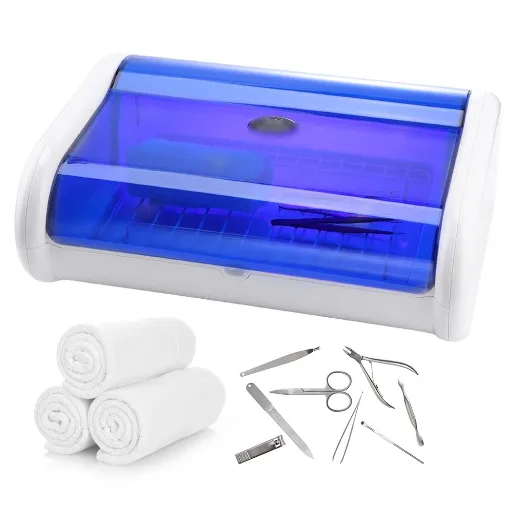
Portable UV Sterilizers vs. Stationary Systems
The most fundamental choice is between a portable device and a stationary, installed system.
Portable UV Sterilizers: These are compact, battery-operated devices designed for on-the-go use. They are ideal for sanitizing surfaces like countertops, doorknobs, and electronics, or for purifying small amounts of water when traveling. Their main advantages are convenience and low cost. However, their effectiveness is limited by their low power and the need for the user to ensure adequate exposure time.
Stationary Systems: These systems are permanently installed to treat the water supply for a single faucet (point-of-use) or an entire building (point-of-entry). They are far more powerful and reliable than portable devices, offering continuous, automated disinfection. While they represent a larger initial investment, their robust performance and low operating costs provide long-term value for ensuring water safety at home or in a business.
UV Lamps and Their Role in Pricing
The UV lamp is the core component of any disinfection system, and its type, quality, and lifespan are major factors in both the initial purchase price and long-term operating costs.
Lamp Type: Traditional low-pressure mercury lamps are the most common and cost-effective option. High-output (HO) lamps provide greater UV intensity and are used in systems designed for higher flow rates or lower water quality, but they come at a higher price.
Lifespan and Replacement Cost: Most standard UV lamps have a lifespan of about 9,000 hours, or one year of continuous use. The cost of a replacement lamp can range from $50 to over $200, depending on the system's model and power. This recurring cost should be factored into the total cost of ownership.
UV-C LEDs: As discussed, systems using UV-C LEDs are more expensive upfront but offer benefits like longer lifespan (often over 10,000 hours), lower energy consumption, and no mercury. The replacement costs for LEDs are currently high, but they are expected to decrease over time.
Effectiveness Against Bacteria and Viruses
All UV disinfection systems are designed to inactivate harmful microorganisms, but their effectiveness depends on delivering the correct UV dose. A higher-priced system is often an investment in reliability and peace of mind.
Certified Systems: Systems that are certified by organizations like NSF International have been independently tested to ensure they meet strict standards for performance and safety. An NSF/ANSI 55 Class A certification, for example, guarantees the system can inactivate bacteria, viruses, and cysts in contaminated water. Certified systems are typically more expensive, but the certification provides assurance of their effectiveness.
Monitoring Features: More advanced systems include sensors that monitor the UV lamp's intensity and controllers that can trigger an alarm if the dose falls below a safe level. These features add to the cost but are crucial for applications where water quality is critical.
Ultimately, the choice of system should be based on a balance of budget, application, and the level of protection required.
Recently Posted
-
Understanding the Functions of Suction Valve and Discharge Valve in Pump Systems
December 18, 2025Industrial pump systems rely on precise mechanical coordination to transport fluids effectively. At the heart of this process are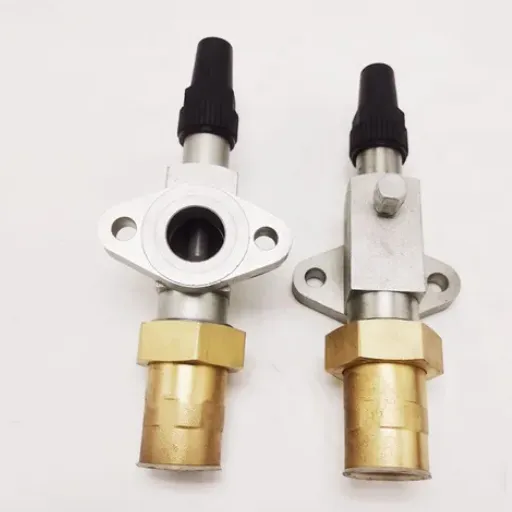 Read More
 -
Exploring Advanced Technologies in Air Compressor Discharge Valve Manufacturing
December 17, 2025The efficiency of any pneumatic system relies heavily on the performance of its smallest components. Among these, the air compress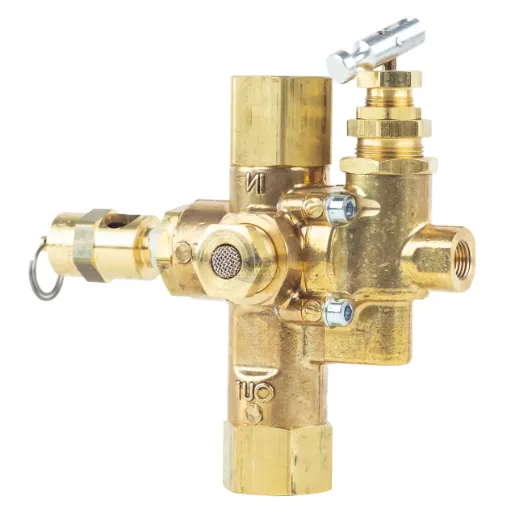 Read More
 -
Exploring Different Discharge Valve Types for Efficient Fluid Flow Management
December 16, 2025Industrial systems rely heavily on precision components to maintain safety, efficiency, and operational integrity. Among these com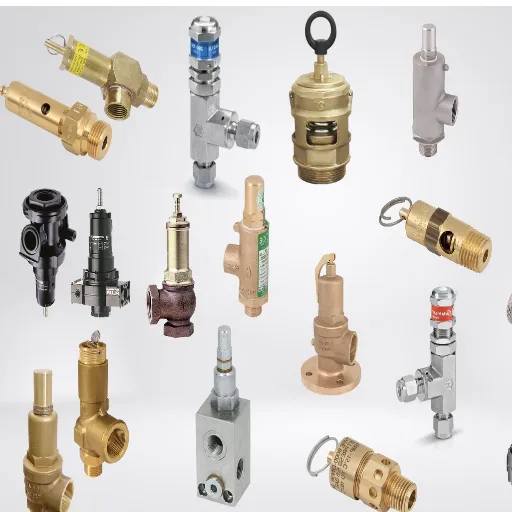 Read More
 -
How the Discharge Valve AC Affects Performance and Longevity of Cooling Systems
December 15, 2025The efficiency of any air conditioning system relies heavily on the precise coordination of its internal components. While the com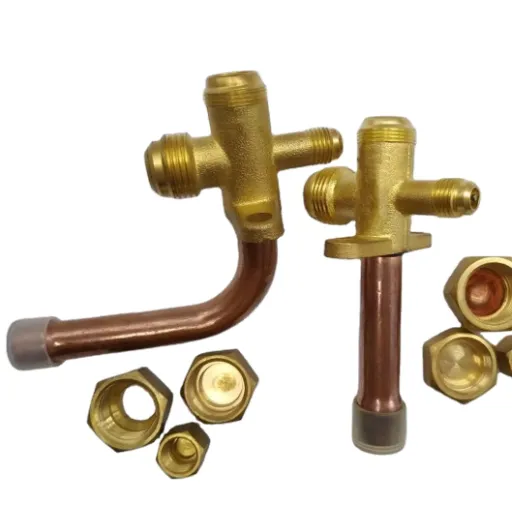 Read More

Contact Us
Recommended Products
-
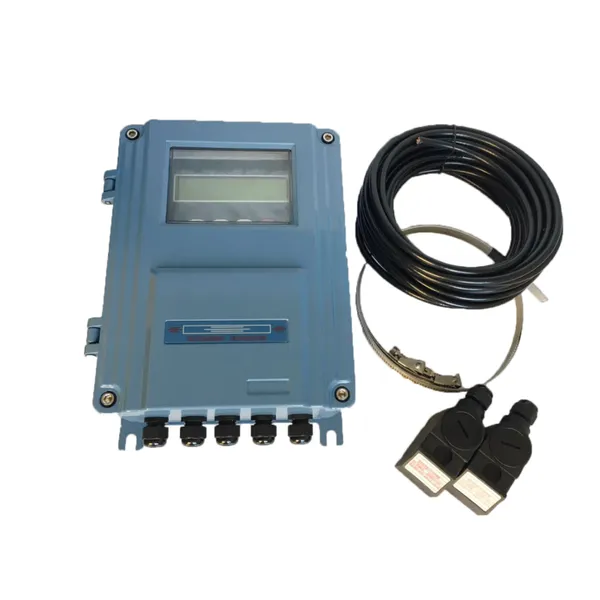
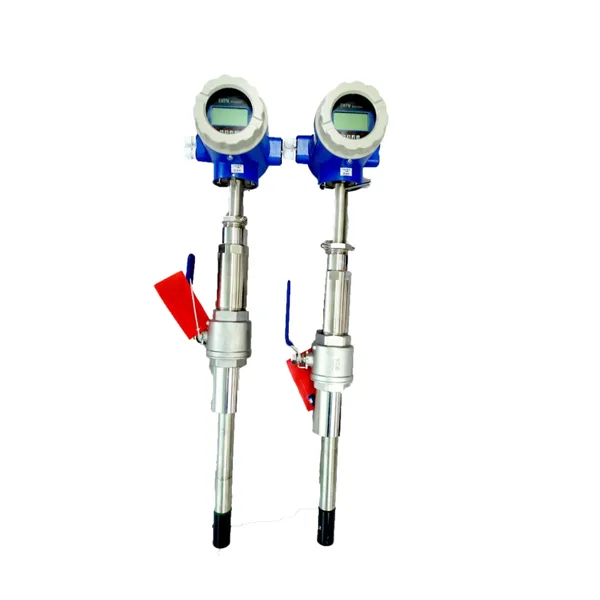
 DN1000 Insertion Type Ultrasonic Flow Meter for Clean Water Pure WaterNegotiableMOQ: 100 Sets
 -
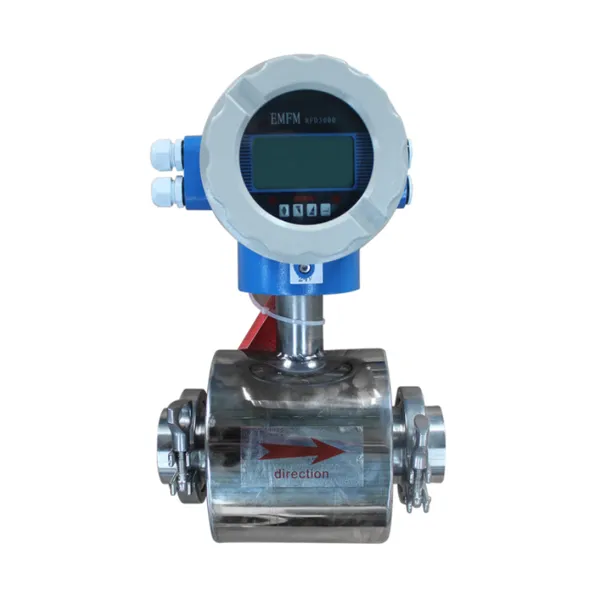
Advanced Electromagnetic Flowmeter With Integrated Liquid Measurement TechnologyNegotiableMOQ: 10 Units
-
High Precision Electromagnetic Flow Meter for Southeast Asia Export - Easy Installation & Reliable After-SaleNegotiableMOQ: 10 Units
-
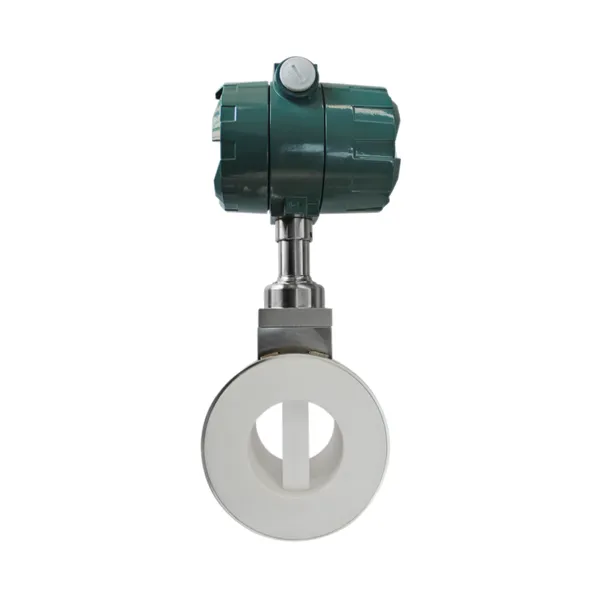
Advanced Digital Vortex Flow Meter for Accurate Water and Liquid MeasurementNegotiableMOQ: 10 Pieces
-
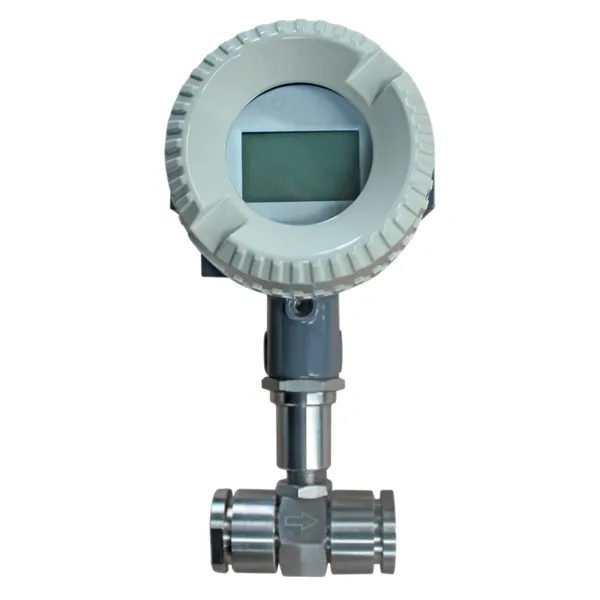
DN50 304 Stainless Steel Turbine Flowmeter for Diesel Oil MeasurementNegotiableMOQ: 10 Units
-
Low-Temperature Turbine Flowmeter for Liquid Nitrogen Applications in Cryogenic SystemsNegotiableMOQ: 10 Units
-
Industrial UV Disinfection Machine for Food & Beverage Industry - UVTunnelTM Tech, 1-40℃ Working TempNegotiableMOQ: 1 Set
-
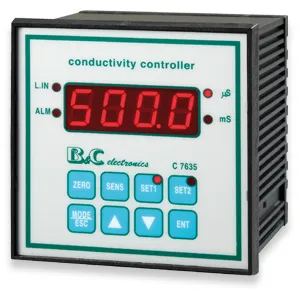
C 7635 High-purity Water Conductivity Transmitter With Automatic Temperature Compensation 0-100°CNegotiableMOQ: 1 Set
-
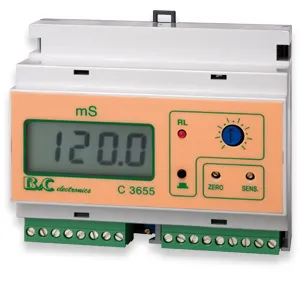
C 3655 Conductivity Meter Output Conductivity Transmitter With IP65 Waterproof HousingNegotiableMOQ: 1 Set
-
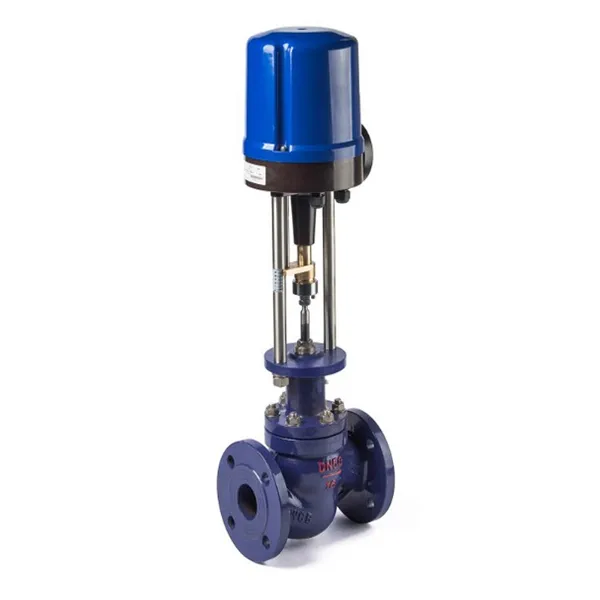
High Performance Electric Regulating Valve for Environmental Protection Water Treatment SystemsNegotiableMOQ: 1 Piece
-
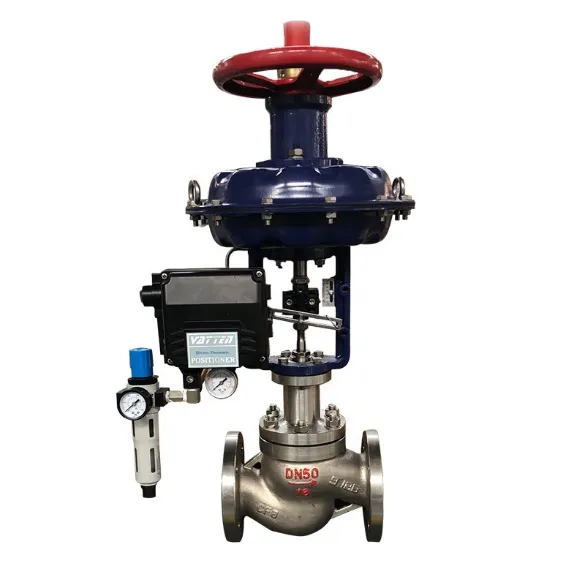
High Quality Pneumatic Control Valve for Chemical Pharmaceutical Industry Chinese Strong Factory With Spot StockNegotiableMOQ: 1 Piece
-
Pneumatic or Electric Actuator Compatible Full Fluorine-Lined Butterfly Valve With On/Off and Smart Regulating OptionsNegotiableMOQ: 1 Set
-
Powder Conveying Specialized Pneumatic Y-Type Ball Valve, Full Bore Design With No Dead Space for Clean MediaNegotiableMOQ: 1 Set
-
Manual, Pneumatic, or Electric Flanged Ball Valve With ISO5211 High Platform, Easy 90-Degree Operation for Fluid ControlNegotiableMOQ: 1 Set
-
Zero Leakage Full Fluorine-Lined Butterfly Valve Featuring Superior Corrosion Resistance and Long Service LifeNegotiableMOQ: 1 Set
-
Bottom Discharge Valve VTF-88-3 Series, DN25-DN300, Stainless Steel 316L/Carbon Steel, PN10/PN16 Class 150, Manual or Pneumatic ActuationNegotiableMOQ: 1 Set
-
Cost-Effective Knife Gate Valve With Rigid/Elastic Gate Options - Ensures Tight Shutoff and High Performance in Diverse Industrial SettingsNegotiableMOQ: 1 Set
-
FLS PH/ORP 200 Epoxy Resin Body Glass Bulb Electrode (Single-Junction/Double-Junction Versions)NegotiableMOQ: 100 Pieces
-
FLS F3.20 Flow Sensor Optimized for HVAC Systems, Cooling Units, and Boiler Feed Water, Featuring Low Maintenance and High Precision AccuracyNegotiableMOQ: 100 Pieces
-
FLS F3.80 Oval Gear Flow Sensor – High Precision for High-Viscosity Liquids (10-150L/h, IP65)NegotiableMOQ: 100 Pieces