
 Business License

A Complete Guide to Choosing UV Disinfection Equipment for Home Use
Keeping your home clean and free from harmful germs is more important than ever. While traditional cleaning methods are effective, UV disinfection technology offers an additional layer of protection. This guide explains how UV disinfection works, the different types of equipment available for home use, and how to choose the right device for your needs.
Understanding UV Disinfection Technology
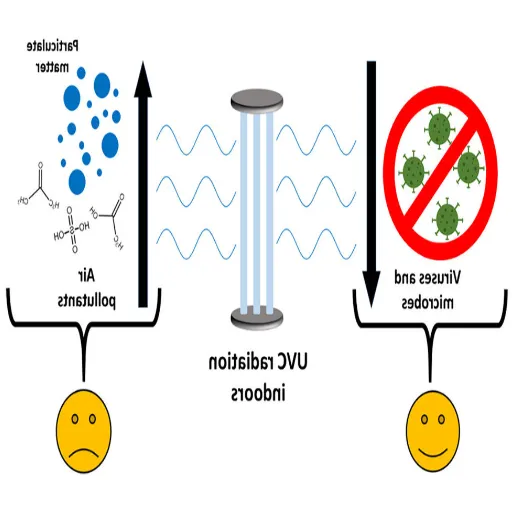
What is UV Light Disinfection?
Ultraviolet (UV) light is a form of electromagnetic radiation that is invisible to the human eye. It is categorized into three main types based on wavelength: UV-A, UV-B, and UV-C.
UV-A: Has the longest wavelength and is commonly known as "black light." It's primarily responsible for skin tanning.
UV-B: Has a medium wavelength and is responsible for sunburn. It can also cause skin cancer with prolonged exposure.
UV-C: Has the shortest wavelength and possesses powerful germicidal properties. It is the type of UV light used in disinfection equipment.
UV-C light has been used for decades in hospitals, laboratories, and water treatment facilities to sterilize equipment and spaces. Now, this technology is available in consumer-grade devices for home use.
How UV-C Works to Inactivate Microorganisms
UV-C light works by damaging the genetic material—the DNA and RNA—of bacteria, viruses, and other pathogens. When microorganisms are exposed to a specific wavelength of UV-C light (typically around 254 nanometers), the light penetrates their cell walls and is absorbed by their nucleic acids.
This absorption causes the formation of thymine dimers, which are bonds that disrupt the DNA structure. This damage prevents the microorganisms from replicating and carrying out essential life functions, effectively inactivating them and rendering them harmless. Unlike chemical disinfectants, UV-C light leaves no residue and does not require ventilation.
Benefits of Using UV Disinfection Systems at Home
Integrating UV disinfection into your cleaning routine offers several advantages:
Effective against a wide range of pathogens: UV-C light has been proven to inactivate a broad spectrum of microorganisms, including bacteria, viruses, molds, and dust mites.
Chemical-free: It provides a non-toxic method of sanitation, making it a safer option for households with children, pets, or individuals with chemical sensitivities.
No residue: Unlike cleaning sprays and wipes, UV light does not leave behind any chemical residue on surfaces.
Reduces allergens: UV systems can help neutralize allergens like mold spores and dust mites, improving indoor air quality.
Complements traditional cleaning: UV disinfection can reach areas that are difficult to clean with wipes or sprays, offering a more thorough sanitization process.
Types of UV Disinfection Equipment
UV-C Light Bulbs and Their Applications
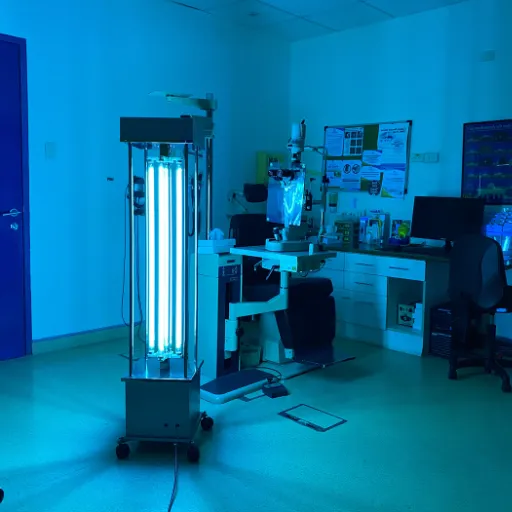
UV-C light bulbs can be installed in standard light fixtures to disinfect air and surfaces within a room. These are often used in HVAC systems to purify air as it circulates, preventing the growth of mold and bacteria on cooling coils. Some specialized bulbs are designed for surface disinfection in empty rooms, but they must be used with extreme caution due to the risks of UV exposure.
Portable UV Sanitizers: Convenience and Effectiveness
Portable UV sanitizers are small, handheld devices designed to disinfect small objects and surfaces. These wands or boxes are ideal for sanitizing items like:
Smartphones and keys
Wallets and credit cards
Pacifiers and baby toys
Makeup brushes and toothbrushes
Their small size and battery operation make them convenient for use at home or on the go. However, their effectiveness depends on the distance from the surface and the duration of exposure.
Whole Room UV Sterilizers: Coverage and Safety
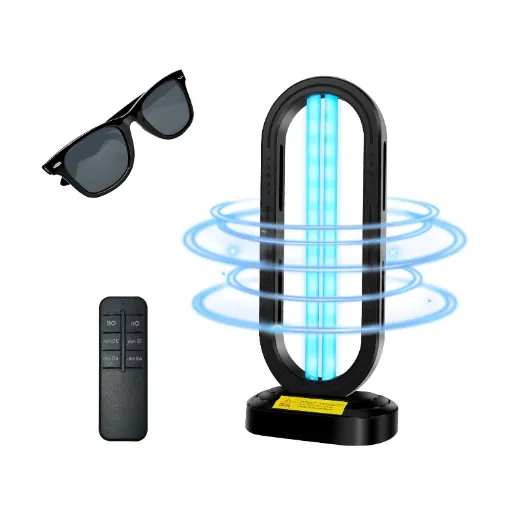
Whole room UV sterilizers are larger, more powerful units designed to disinfect entire rooms. These devices, which can be stationary towers or mobile robots, emit high-intensity UV-C light to sanitize all exposed surfaces and the air. Due to the high risk of exposure, these systems are equipped with safety features like motion sensors and timers that ensure they only operate when the room is unoccupied. They are most suitable for sanitizing larger spaces like living rooms, bedrooms, or home offices between uses.
Choosing the Right UV Disinfection Device
Factors to Consider When Selecting a UV Sanitizer
Purpose: Determine what you want to disinfect. Are you looking to sanitize small personal items, larger surfaces, or the air in an entire room?
Wavelength: Ensure the device uses UV-C light, specifically in the germicidal range of 200-280 nanometers. Reputable manufacturers will specify the wavelength of their products.
Intensity and Dosage: The effectiveness of UV disinfection depends on the intensity of the light and the duration of exposure. Look for devices that provide clear information about the required exposure time for effective sanitization.
Safety Features: For any device larger than a small wand or box, safety features are crucial. Look for automatic shut-off mechanisms, motion sensors, and child locks to prevent accidental exposure.
Certifications: Check for certifications from recognized bodies like the EPA or UL, which can indicate that the product has been tested for safety and effectiveness.
Portability and Power Source: Consider whether you need a portable, battery-powered device for on-the-go use or a plug-in unit for stationary applications.
Comparing UV-C Light Devices: Features and Performance
When comparing different UV-C devices, create a checklist of key features. Evaluate performance based on a device's claimed disinfection rate (e.g., "kills 99.9% of germs") and the time it takes to achieve it. Read independent reviews and third-party testing results whenever possible to verify manufacturer claims. Remember that higher wattage generally correlates with more powerful disinfection, but it also increases safety risks.
Top UV Disinfection Products for Home Use
While specific product recommendations can change, some popular and well-regarded types of devices include:
PhoneSoap: A pioneer in personal UV sanitizers, PhoneSoap offers enclosed boxes that sanitize phones and other small items while also charging them.
HoMedics UV-Clean: This brand offers a range of portable sanitizing wands and bags that are convenient for travel and quick disinfection of small surfaces.
UV-C Room Sterilizers: For whole-room sanitation, look for tower-style units from reputable brands that include robust safety features like 360-degree motion sensors and delayed start timers.
Always research a specific product and read user reviews before making a purchase to ensure it meets your expectations for performance and safety.
Safety and Best Practices for UV Disinfection
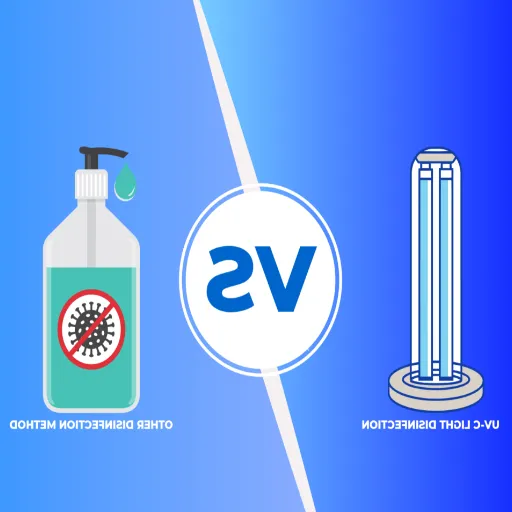
How to Use UV-C Devices Safely
Read the Manual: Always follow the manufacturer's instructions and safety warnings for your specific device.
Avoid Direct Exposure: Never look directly at a UV-C light source, and ensure that skin is not exposed to the light.
Use in Unoccupied Spaces: For whole-room sterilizers, always ensure the room is empty of people, pets, and even plants before operating the device.
Utilize Safety Features: Do not disable or bypass any safety features, such as motion sensors or automatic shut-offs.
Wear Protective Gear: If direct interaction is unavoidable, use UV-blocking glasses and cover all exposed skin.
Understanding the Risks of UV Light Exposure
The primary risks associated with UV-C light are photokeratitis (a painful inflammation of the cornea, similar to a sunburn on the eye) and erythema (skin redness or burn). While these effects are typically temporary, repeated or prolonged exposure can lead to chronic eye damage and an increased risk of skin cancer.
Best Practices for Effective Disinfection
Clean Surfaces First: UV light is most effective on clean, non-porous surfaces. Remove any dirt, dust, or grime before using a UV sanitizer, as debris can block the light and shield microorganisms.
Ensure Direct Line of Sight: UV-C light cannot penetrate shadows. For effective disinfection, the light must directly hit the surface you wish to sanitize. You may need to reposition objects or the device itself to ensure full coverage.
Follow Recommended Exposure Times: Adhere to the manufacturer's guidelines for exposure duration. Insufficient exposure time will not achieve the desired level of disinfection.
Recently Posted
-
Understanding the Functions of Suction Valve and Discharge Valve in Pump Systems
December 18, 2025Industrial pump systems rely on precise mechanical coordination to transport fluids effectively. At the heart of this process are Read More
 -
Exploring Advanced Technologies in Air Compressor Discharge Valve Manufacturing
December 17, 2025The efficiency of any pneumatic system relies heavily on the performance of its smallest components. Among these, the air compress Read More
 -
Exploring Different Discharge Valve Types for Efficient Fluid Flow Management
December 16, 2025Industrial systems rely heavily on precision components to maintain safety, efficiency, and operational integrity. Among these com Read More
 -
How the Discharge Valve AC Affects Performance and Longevity of Cooling Systems
December 15, 2025The efficiency of any air conditioning system relies heavily on the precise coordination of its internal components. While the com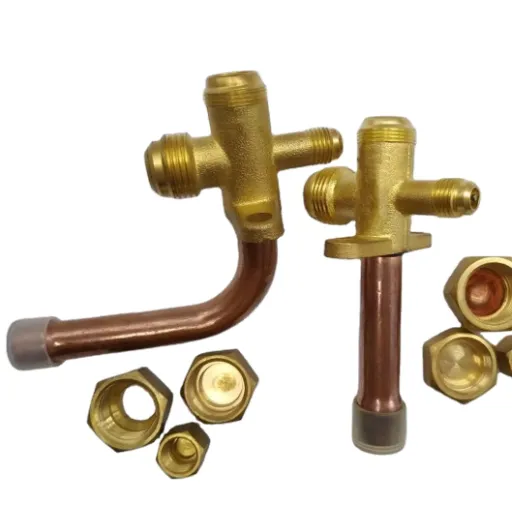 Read More

Contact Us
Recommended Products
-
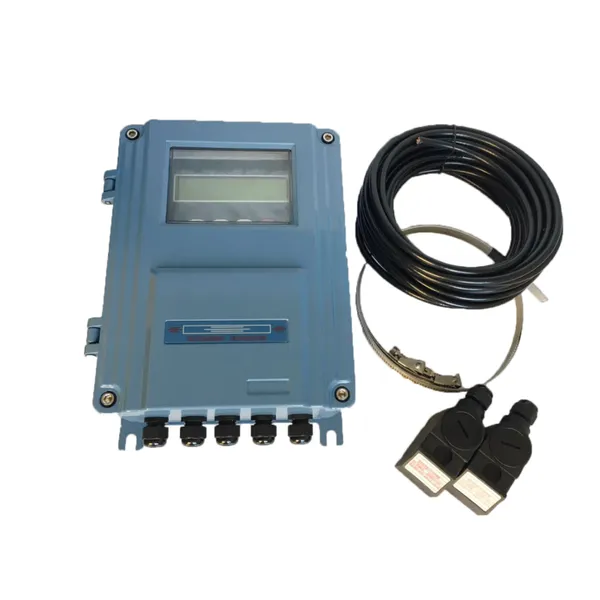
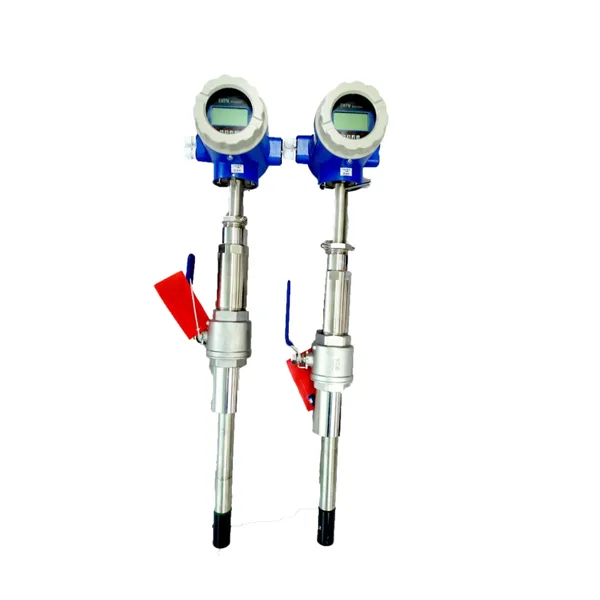
 DN1000 Insertion Type Ultrasonic Flow Meter for Clean Water Pure WaterNegotiableMOQ: 100 Sets
 -
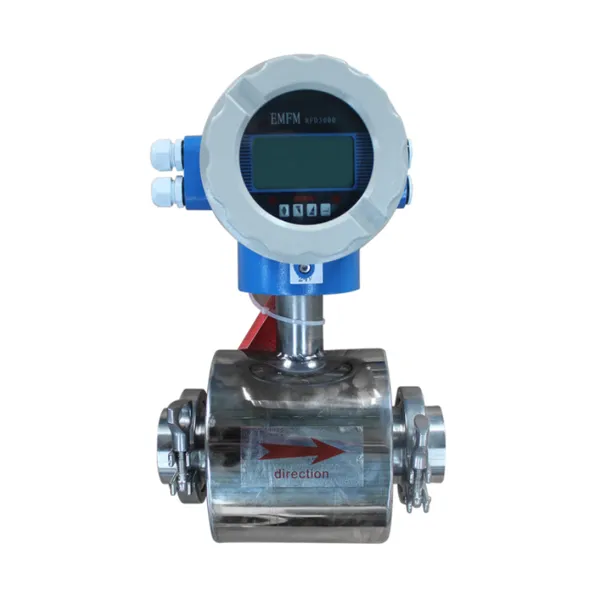
Advanced Electromagnetic Flowmeter With Integrated Liquid Measurement TechnologyNegotiableMOQ: 10 Units
-
High Precision Electromagnetic Flow Meter for Southeast Asia Export - Easy Installation & Reliable After-SaleNegotiableMOQ: 10 Units
-
Advanced Digital Vortex Flow Meter for Accurate Water and Liquid MeasurementNegotiableMOQ: 10 Pieces
-
DN50 304 Stainless Steel Turbine Flowmeter for Diesel Oil MeasurementNegotiableMOQ: 10 Units
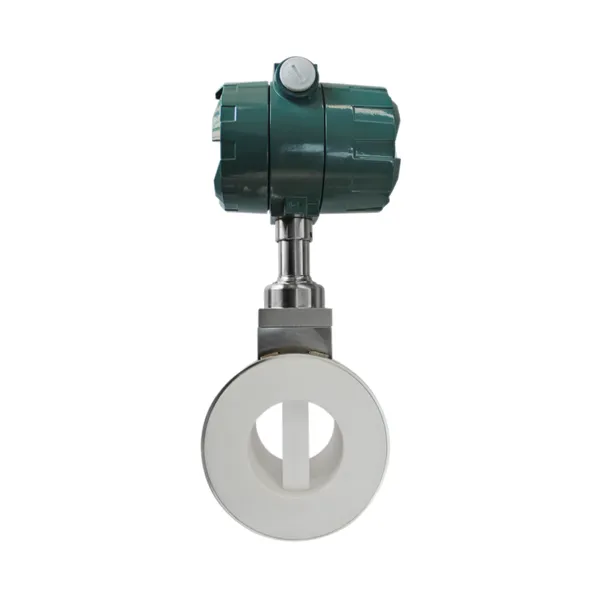
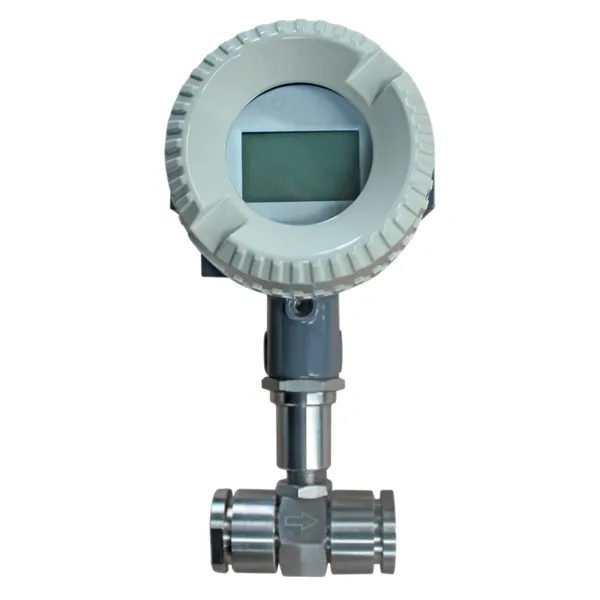
-
Low-Temperature Turbine Flowmeter for Liquid Nitrogen Applications in Cryogenic SystemsNegotiableMOQ: 10 Units
-
Industrial UV Disinfection Machine for Food & Beverage Industry - UVTunnelTM Tech, 1-40℃ Working TempNegotiableMOQ: 1 Set
-
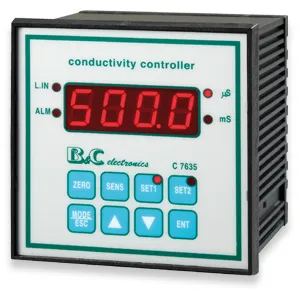
C 7635 High-purity Water Conductivity Transmitter With Automatic Temperature Compensation 0-100°CNegotiableMOQ: 1 Set
-
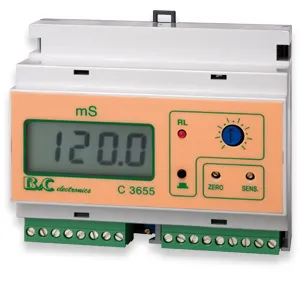
C 3655 Conductivity Meter Output Conductivity Transmitter With IP65 Waterproof HousingNegotiableMOQ: 1 Set
-
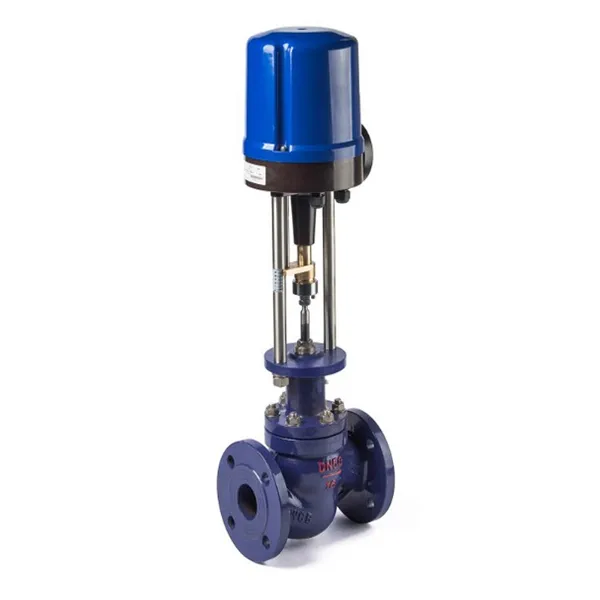
High Performance Electric Regulating Valve for Environmental Protection Water Treatment SystemsNegotiableMOQ: 1 Piece
-
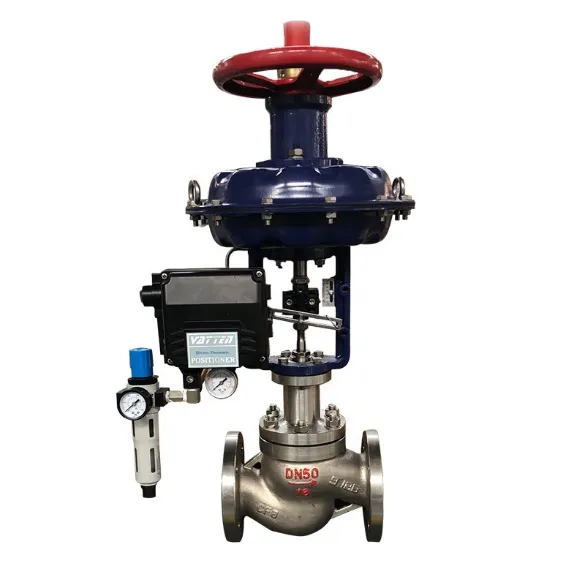
High Quality Pneumatic Control Valve for Chemical Pharmaceutical Industry Chinese Strong Factory With Spot StockNegotiableMOQ: 1 Piece
-
Pneumatic or Electric Actuator Compatible Full Fluorine-Lined Butterfly Valve With On/Off and Smart Regulating OptionsNegotiableMOQ: 1 Set
-
Powder Conveying Specialized Pneumatic Y-Type Ball Valve, Full Bore Design With No Dead Space for Clean MediaNegotiableMOQ: 1 Set
-
Manual, Pneumatic, or Electric Flanged Ball Valve With ISO5211 High Platform, Easy 90-Degree Operation for Fluid ControlNegotiableMOQ: 1 Set
-
Zero Leakage Full Fluorine-Lined Butterfly Valve Featuring Superior Corrosion Resistance and Long Service LifeNegotiableMOQ: 1 Set
-
Bottom Discharge Valve VTF-88-3 Series, DN25-DN300, Stainless Steel 316L/Carbon Steel, PN10/PN16 Class 150, Manual or Pneumatic ActuationNegotiableMOQ: 1 Set
-
Cost-Effective Knife Gate Valve With Rigid/Elastic Gate Options - Ensures Tight Shutoff and High Performance in Diverse Industrial SettingsNegotiableMOQ: 1 Set
-
FLS PH/ORP 200 Epoxy Resin Body Glass Bulb Electrode (Single-Junction/Double-Junction Versions)NegotiableMOQ: 100 Pieces
-
FLS F3.20 Flow Sensor Optimized for HVAC Systems, Cooling Units, and Boiler Feed Water, Featuring Low Maintenance and High Precision AccuracyNegotiableMOQ: 100 Pieces
-
FLS F3.80 Oval Gear Flow Sensor – High Precision for High-Viscosity Liquids (10-150L/h, IP65)NegotiableMOQ: 100 Pieces