
 Business License

What Are the Three Types of Sensors? Insights into Their Role in Everyday Devices
Sensors are the unsung heroes of modern technology. They are the digital eyes and ears of countless devices, from the smartphone in your pocket to the complex machinery in automated factories. Understanding how they work is key to appreciating the technology that shapes our daily lives. This guide explores the fundamental types of sensors that make our world more intelligent and more connected. We will look into three primary categories, breaking down their functions, applications, and the science that powers them. By understanding these core technologies, you can better grasp how everyday devices operate and how automation is transforming industries.
Understanding Different Types of Sensors
Introduction to Sensor Technology
A sensor is a device that detects and responds to input from the physical environment. The specific input could be light, heat, motion, moisture, pressure, or any one of a great number of other environmental phenomena. The output is generally a signal that is converted to a human-readable display at the sensor location or transmitted electronically over a network for reading or further processing.
Categories of Sensors
While there are thousands of different sensors, they can be broadly grouped based on their detection method. The three main categories are:
Proximity Sensors: These detect the presence or absence of nearby objects without physical contact.
Ultrasonic Sensors: These use sound waves to measure the distance to an object.
Positional Sensors: These measure the position of an object, either linear or angular.
Each category plays a vital role across a range of applications, from simple automated doors to advanced robotics.
Importance of Sensors in Automation
Sensors are the backbone of automation. They provide the real-time data that control systems need to make decisions. In an industrial setting, sensors monitor everything from temperature and pressure in a chemical process to the position of a robotic arm on an assembly line. This constant stream of information allows for precise control, enhanced safety, and increased efficiency. Without reliable sensors, automated systems would be blind and unable to perform their tasks.
Proximity Sensors: Key Features and Applications
What is a Proximity Sensor?
A proximity sensor is an electronic device that detects the presence of objects in its vicinity without physical contact. It emits a beam of electromagnetic radiation (such as infrared) or an electromagnetic field, and looks for changes in the field or return signal. The object being sensed is often called the sensor's target. Different proximity sensor targets demand different sensors.
Types of Proximity Sensors
There are several types of proximity sensors, each suited for different applications and environments.
Inductive Sensors: These sensors detect metallic objects. They create a magnetic field, and when a metal object enters it, it induces a change that the detector detects. They are robust and work well in harsh industrial environments.
Capacitive Sensors: Unlike inductive sensors, capacitive sensors can detect both metallic and non-metallic objects, including liquids and powders. They work by detecting changes in capacitance. The sensor acts as one plate of a capacitor, and the target object serves as the other plate.
Photoelectric Sensors: These sensors use a beam of light to detect the presence of an object. A transmitter sends out a light beam, and a receiver detects it. An object is detected when it breaks the beam. They can detect objects over long distances.
Magnetic Sensors: These sensors detect magnetic fields. They are often used with a permanent magnet as the target and help detect door openings and closings, or the position of a piston in a cylinder.
Applications of Proximity Sensors in Everyday Devices
Proximity sensors are all around us, often working unnoticed.
Smartphones: The screen on your smartphone likely turns off when you hold it to your ear during a call. This is the work of a proximity sensor, which prevents accidental screen touches.
Automatic Doors and Faucets: The automatic doors at the grocery store and touchless faucets in public restrooms use photoelectric or infrared proximity sensors to detect your presence.
Vehicle Parking Systems: Many modern cars are equipped with proximity sensors in their bumpers to help drivers with parking. These sensors alert the driver when they are getting too close to an object.
Exploring Ultrasonic Sensors
How Ultrasonic Sensors Work
Ultrasonic sensors operate on a principle similar to sonar or echolocation used by bats.
Transmission: The sensor transmits a short burst of high-frequency sound waves (ultrasound), which are inaudible to humans.
Reception: These sound waves travel through the air, and if they hit an object, they bounce back toward the sensor.
Calculation: The sensor has a receiver that detects the reflected sound waves (the echo). It then measures the time it took for the sound wave to travel to the object and back.
Distance Measurement: Since the speed of sound is known, the sensor can calculate the distance to the object using the formula: Distance = (Speed of Sound × Time) / 2. The time is divided by two because the sound wave travels to the object and back.
Advantages of Ultrasonic Sensors
Ultrasonic sensors offer several benefits that make them suitable for a wide range of tasks.
Versatility: They can detect a wide range of materials, regardless of color, transparency, or surface texture. This includes apparent objects like glass or water, which can be difficult for photoelectric sensors to detect.
Accuracy: They provide precise distance measurements, making them ideal for applications requiring exact positioning or level measurement.
Environmental Resistance: Ultrasonic sensors are relatively unaffected by dust, dirt, and moisture, enabling them to operate reliably in challenging industrial environments.
Common Uses of Ultrasonic Sensors
The versatility and accuracy of ultrasonic sensors have led to their adoption in numerous fields.
Robotics: In autonomous robots and drones, ultrasonic sensors are used for navigation and obstacle avoidance. They help the robot build a map of its surroundings and move safely without collisions.
Industrial Automation: They are commonly used for liquid level measurement in tanks, detecting the presence of objects on a conveyor belt, and controlling the position of materials in manufacturing processes.
Automotive Industry: Beyond simple parking assistance, ultrasonic sensors are a key component of more advanced driver-assistance systems (ADAS), enabling features such as blind-spot monitoring and automated parking.
Recently Posted
-
Understanding the Functions of Suction Valve and Discharge Valve in Pump Systems
December 18, 2025Industrial pump systems rely on precise mechanical coordination to transport fluids effectively. At the heart of this process are Read More
 -
Exploring Advanced Technologies in Air Compressor Discharge Valve Manufacturing
December 17, 2025The efficiency of any pneumatic system relies heavily on the performance of its smallest components. Among these, the air compress Read More
 -
Exploring Different Discharge Valve Types for Efficient Fluid Flow Management
December 16, 2025Industrial systems rely heavily on precision components to maintain safety, efficiency, and operational integrity. Among these com Read More
 -
How the Discharge Valve AC Affects Performance and Longevity of Cooling Systems
December 15, 2025The efficiency of any air conditioning system relies heavily on the precise coordination of its internal components. While the com Read More

Contact Us
Recommended Products
-
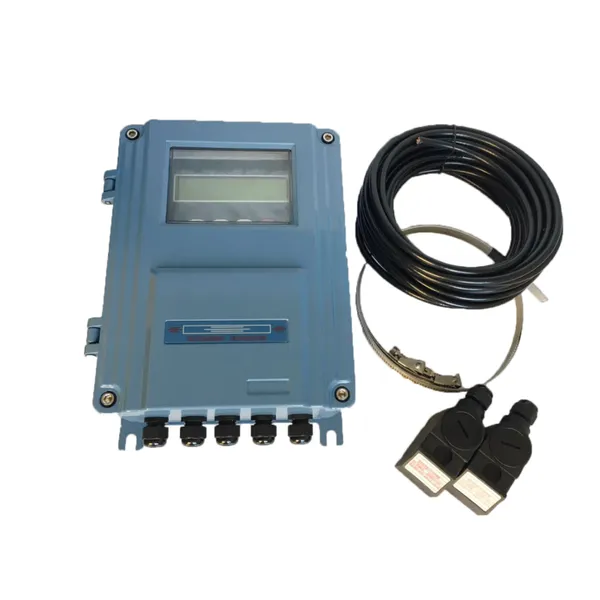
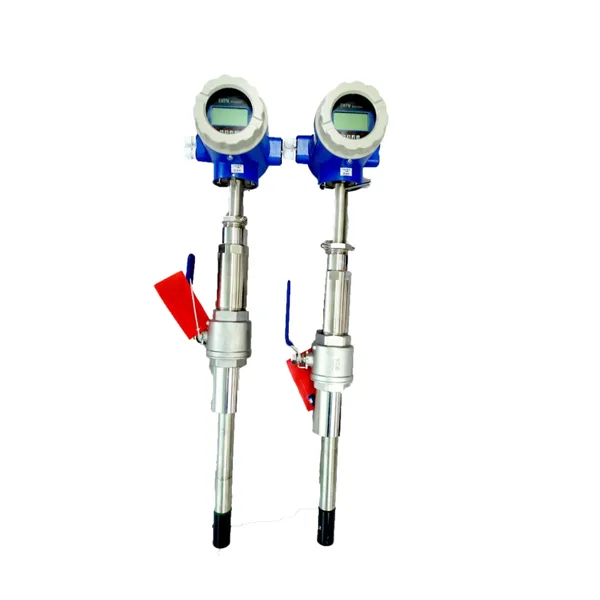
 DN1000 Insertion Type Ultrasonic Flow Meter for Clean Water Pure WaterNegotiableMOQ: 100 Sets
 -
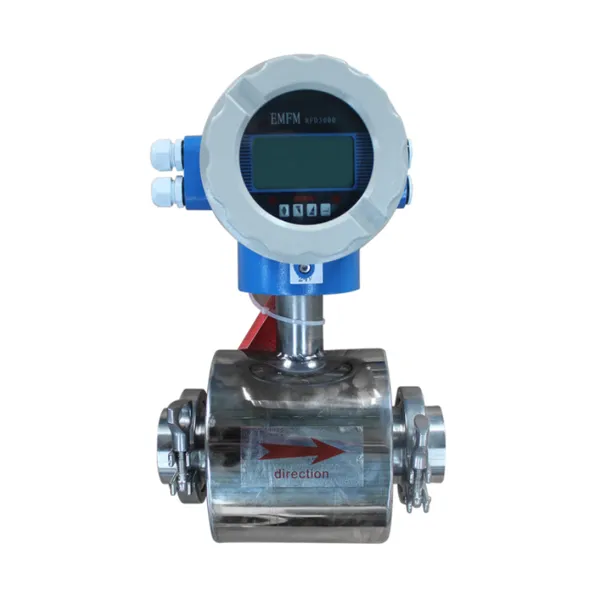
Advanced Electromagnetic Flowmeter With Integrated Liquid Measurement TechnologyNegotiableMOQ: 10 Units
-
High Precision Electromagnetic Flow Meter for Southeast Asia Export - Easy Installation & Reliable After-SaleNegotiableMOQ: 10 Units
-
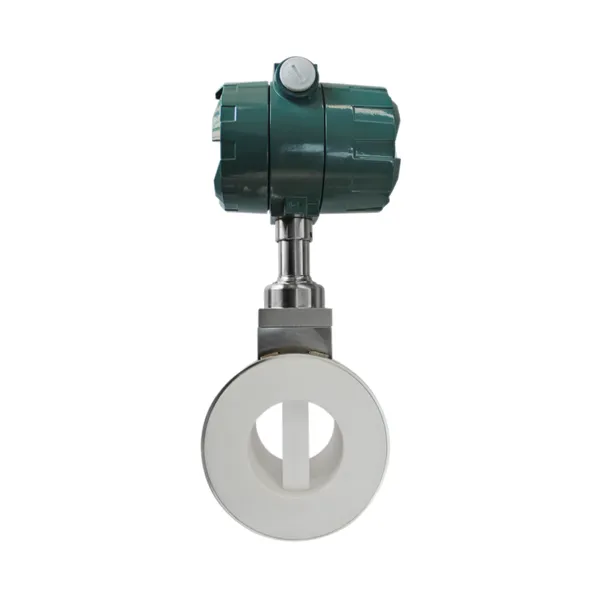
Advanced Digital Vortex Flow Meter for Accurate Water and Liquid MeasurementNegotiableMOQ: 10 Pieces
-
DN50 304 Stainless Steel Turbine Flowmeter for Diesel Oil MeasurementNegotiableMOQ: 10 Units
-
Low-Temperature Turbine Flowmeter for Liquid Nitrogen Applications in Cryogenic SystemsNegotiableMOQ: 10 Units
-
Industrial UV Disinfection Machine for Food & Beverage Industry - UVTunnelTM Tech, 1-40℃ Working TempNegotiableMOQ: 1 Set
-
C 7635 High-purity Water Conductivity Transmitter With Automatic Temperature Compensation 0-100°CNegotiableMOQ: 1 Set
-
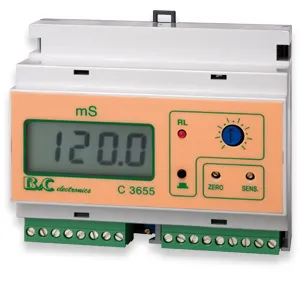
C 3655 Conductivity Meter Output Conductivity Transmitter With IP65 Waterproof HousingNegotiableMOQ: 1 Set
-
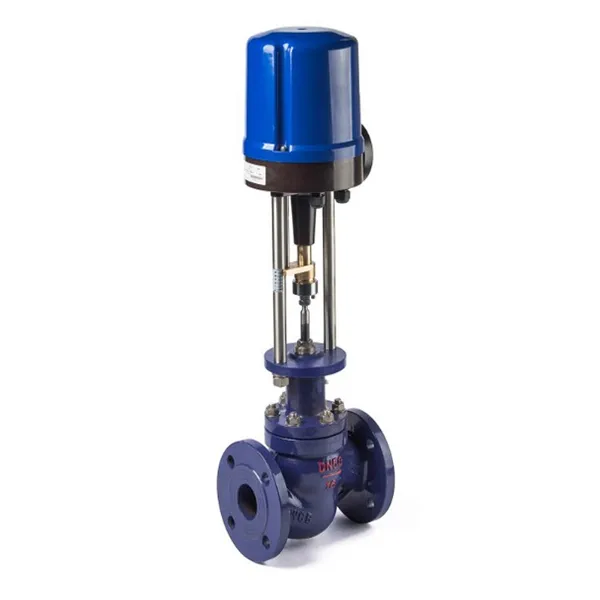
High Performance Electric Regulating Valve for Environmental Protection Water Treatment SystemsNegotiableMOQ: 1 Piece
-
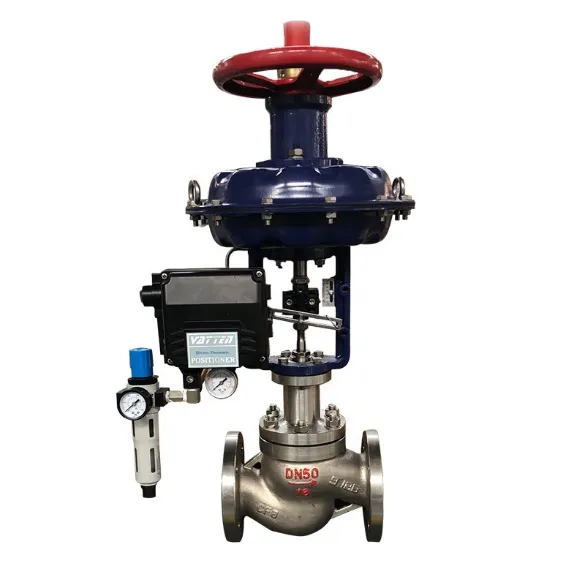
High Quality Pneumatic Control Valve for Chemical Pharmaceutical Industry Chinese Strong Factory With Spot StockNegotiableMOQ: 1 Piece
-
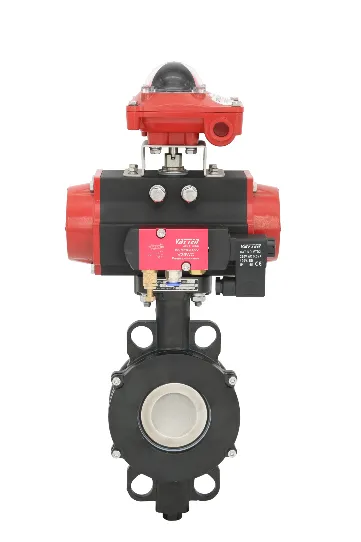
Pneumatic or Electric Actuator Compatible Full Fluorine-Lined Butterfly Valve With On/Off and Smart Regulating OptionsNegotiableMOQ: 1 Set
-
Powder Conveying Specialized Pneumatic Y-Type Ball Valve, Full Bore Design With No Dead Space for Clean MediaNegotiableMOQ: 1 Set
-
Manual, Pneumatic, or Electric Flanged Ball Valve With ISO5211 High Platform, Easy 90-Degree Operation for Fluid ControlNegotiableMOQ: 1 Set
-
Zero Leakage Full Fluorine-Lined Butterfly Valve Featuring Superior Corrosion Resistance and Long Service LifeNegotiableMOQ: 1 Set
-
Bottom Discharge Valve VTF-88-3 Series, DN25-DN300, Stainless Steel 316L/Carbon Steel, PN10/PN16 Class 150, Manual or Pneumatic ActuationNegotiableMOQ: 1 Set
-
Cost-Effective Knife Gate Valve With Rigid/Elastic Gate Options - Ensures Tight Shutoff and High Performance in Diverse Industrial SettingsNegotiableMOQ: 1 Set
-
FLS PH/ORP 200 Epoxy Resin Body Glass Bulb Electrode (Single-Junction/Double-Junction Versions)NegotiableMOQ: 100 Pieces
-
FLS F3.20 Flow Sensor Optimized for HVAC Systems, Cooling Units, and Boiler Feed Water, Featuring Low Maintenance and High Precision AccuracyNegotiableMOQ: 100 Pieces
-
FLS F3.80 Oval Gear Flow Sensor – High Precision for High-Viscosity Liquids (10-150L/h, IP65)NegotiableMOQ: 100 Pieces