
 Business License

What is the Principle of a Flow Meter Sensor?
Flow meter sensors are paramount devices in a plethora of industries, including but not limited to, oil and gas, water management, and chemical processing. These instruments are pivotal in giving precise measurement and control of fluid flow, thus, making their use an absolute prerequisite for the enhancement of operational efficiency and the guarantee of safety standards. The article at hand will elucidate the basic principles governing the functioning of flow meter sensors. It will also reveal their methods of operation, the different types that exist, and the main factors to consider when choosing the appropriate sensor for particular applications. This detailed overview will be equally beneficial for both experienced individuals and those just starting their journey into the realm of flow measurement technology.
Introduction to Flow Meters
Flow meters are devices that determine the flow rate by measuring the movement of a fluid—gas, liquid, or steam— in a system. They do this by monitoring a set of variables such as volume, speed, or mass. The type of flow meter can influence the technology used, and the precision of the measurement may depend on mechanical parts, ultrasonic signals, thermal sensors, or electromagnetic fields. All this information provides accurate and reliable monitoring for the industrial processes of manufacturing, water treatment, and energy production.
Overview of Flow Meter Sensors
Flow meter sensors are typically divided into several main types, each specifically designed for different applications and operating conditions. These groups denote the variety of technologies that are employed in contemporary industries to fulfill accurate monitoring needs.
Electromagnetic Flow Meters
Electromagnetic flow meters, or mag meters for short, measure the flow rates of non-viscous conductive fluids. Field principle is based on Faraday's law of electromagnetic induction, where the conductive fluid induces a voltage which the meter detects as the fluid flows through a magnetic field. These meters have high precision and find use in the wastewater treatment, chemical manufacturing, and food industries. Recent reports indicate that electromagnetic flowmeters have an error margin of less than ±1%, making them the preferred choice for critical operations.
Ultrasonic Flow Meters
Ultrasonic flow meters are devices that determine the speed of a fluid by means of high-frequency sound waves. They can be divided into two categories: transit-time and Doppler depending on the application. Transit-time ultrasonic meters are very suitable for clean, non-viscous fluids while the Doppler-type ultrasonic meters are best for fluids that are aerated, foamed, or contain slurries. The latest trends in the industry are the non-invasive clamp-on ultrasonic methods, which allow for installation without interruption of the existing pipelines.
Thermal Mass Flow Meters
Thermal mass flow meters are devices that measure flow rates of gases by detecting the heating effect caused by the passage of fluid over electrical sensors. They find wide application in natural gas metering, HVAC systems, and emissions monitoring. Reports by industry analysts suggest that modern thermal flow meters with accuracies of ±0.5% are helping to enhance the efficiency of the applications that consume energy based on the accurate gas detection.
Turbine Flow Meters
The turbine meters are based on mechanical parts and work by having a turbine that rotates inside the fluid flow. The speed with which the turbine rotates depends on the flow rate of the fluid, and this is used to calculate the amount of liquid that has passed through. They are particularly popular in the oil and gas industries as they can withstand harsh conditions and are suitable for liquid hydrocarbons. The accuracy of turbine meters ranges from ±0.1% to ±0.5% depending on regular calibration.
Coriolis Flow Meters
Coriolis flow meters are those meters that measure the mass flow rate of the fluids by the use of the Coriolis effect. They are recognized for their extraordinary accuracy in measuring both liquid and gas flow and are crucial in the pharmaceutical, petrochemical, and energy industries. Technology has advanced to a point where now these sensors can deal with high-viscosity fluids even under harsh conditions and still deliver an accuracy of ±0.1%.
Current Market Trends and Innovations
The latest market studies conducted by industry insiders reveal a trend of increasing market share for flow meters with IoT-enabled features. Smart sensors are already providing techniques for real-time data analysis, remote monitoring, and automatic reporting, which are revolutionizing traditional factory practices. Moreover, improvements in the science of materials have also contributed to the durability and temperature tolerance of flow meter parts, so that these systems could be used in even more extreme situations.
Through the application of state-of-the-art technology, flow meters are not only complying with the guidelines of Industry 4.0 but also making a significant contribution towards reducing the energy wastage and improving the overall productivity of the processes. The entire transformation signals the necessity for constant renewal in the domain of sensor technologies.
The Significance of Fluid Dynamics Measurement
The technology of flow meters has witnessed remarkable advancements and they have become widely used in different industries. A recent market report estimates that the global flow meter market will be worth about $12.5 billion by 2028, reflecting a compounded annual growth rate (CAGR) of 6.7% from 2022 to 2028. Factors like the increasing demand in oil and gas, water and wastewater management, chemicals, and pharmaceuticals are among the main drivers of this growth.
One of the necessary improvements is the increasing offered by ultrasonic and Coriolis flow meters. Ultrasonic flow meters are regularly used in chemical and gas distribution for quality control. They use sound waves to determine the speed of fluid movement, and thus achieve accuracy rates of ±0.5%. In the meantime, Coriolis flow meters can measure all kinds of fluids, including viscous ones, reporting accuracy of ±0.1%. Their direct mass flow measurement is also an important factor that makes them very relevant in industrial applications.
Moreover, the combination of IoT and real-time analytics has highly changed the flow measurement strategies. The predictive maintenance of the IoT-enabled flow meter is one of the main reasons for the significant down-time reduction. For example, a case study in large water treatment plants showed that a 25% cut in operational costs was achieved by using IoT-enabled flow monitoring systems to anticipate equipment failures.
The advancements mentioned above are indicating a scenario where the innovations in flow meter design, materials, and software integrations will eventually produce more robust and sustainable flow management solutions thus establishing their role in resource utilization optimization and adherence to environmental regulations.
Flow Meters in Diverse Industries
Flow meters are considered crucial devices in numerous industries because of their accuracy and flexibility. For example, in the oil and gas industry, ultrasonic flow meters are increasingly used to measure and monitor high-viscosity hydrocarbons, thus ensuring operational safety and compliance with regulations. It has been reported that advancements in ultrasonic technology have led to a 15% improvement in accuracy and a 20% reduction in maintenance costs simultaneously.
Moreover, the electromagnetic flow meters are changing the irrigation systems in agriculture. They allow the farmers to use the optimal amount of water, thus minimizing waste and enhancing the quality of the crops. Research conducted in 2023 found that IoT-enabled electromagnetic flow meters in farms resulted in an average decrease of 30% in water use, thereby playing a significant role in the sustainability of water-scarce areas.
The use of flow meters in pharmaceuticals and biotechnology is another great area where accuracy is a must. The Coriolis flow meters can measure mass flow and density at the same time; therefore, they are widely employed in the processes that demand precise dosing and mixing. The reports from the industry show their role in reducing product loss; in fact, some companies have even reported an increase in production efficiency of up to 10% due to their adoption.
The few examples told before are revealing the huge significance flow meters have in different sectors as they lead to innovations, improved efficiency and ultimately, green practices. Sectors using flow meters are already benefiting from such interventions, and they stand to gain even more by integrating AI and real-time data analytics. the potential of accuracy, reliability and efficiency still seems endless.
Understanding the Basics of Flow Meter Sensors

Flow meter sensors are devices that measure the flow rate of air or liquid in a system by applying different methods such as pressure difference, electro-magnetic conduction, or ultrasonic waves. These sensors play an important role in very accurate flow measurement, system performance optimization, and real-time monitoring.
Definition of a Flow Meter Sensor
A flow meter sensor is a measurement device for the motion rate of fluid or gas passing through a pipe or conduit. It does this by determining and characterizing the flow of a liquid using methods based on pressure difference, electromagnetic fields, or sound waves, then volume, velocity, etc. then it is used for monitoring, performance, efficiency, and accuracy of system operation.
Bernoulli's Principle Explained
According to Bernoulli's principle, when a fluid's speed increases, its pressure decreases. This interrelation remains the basis for numerous flow measurement devices, such as differential pressure flow meters. The latter type of sensors examine changes in pressure at two locations of the pipe to determine the flow rate, thereby taking advantage of Bernoulli's principle and very good fluid dynamics reading.
Pressure Drop Principle in Flow Measurement
The pressure drop principle in flow measurement is based on the correlation of fluid flow and resistance within a system. The passing of the fluid through the restriction (e.g., valve or orifice plate) leads to an increase in its velocity and a subsequent pressure drop. Accurate flow rate calculation can be performed by measuring the pressure difference between upstream and downstream of the restriction. This method is very popular because it provides reliable and consistent data for diverse fluid types and system configurations.
Energy Transfer and Flow Detection
Detection of fluid flow is mainly accomplished with the help of sensors or devices that measure the change in variables such as velocity, pressure, or volume. The most common instruments for measuring flow include rotational speed sensors for internal flow meter components (turbine flow meters) and ultrasonic flow meters that calculate flow rate through sound waves. These devices are widely used for different applications due to their reliability, high accuracy, and high adaptability to different fluid types.
Key Factors Influencing Flow Meter Performance
The flow meter's performance is significantly affected by several critical factors: the fluid's characteristics (such as density, viscosity, and temperature), the installation conditions (e.g., pipe alignment and flow profile), and the specific measurement technology applied. Heaving on proper calibration and maintenance also plays an important role in attaining accurate and trustworthy readings.
Accuracy and Repeatability
Accuracy denotes how close the flow meter's measurements are to the actual value, whereas repeatability reveals the device's ability to yield the same results under the same conditions consistently. High accuracy means very precise monitoring, which is necessary for processes where the exact flow rate is of utmost importance. Repeatability is also very significant since it communicates the trustworthiness of measurements through time. To attain both, the calibration must be done properly, manufacturer's guidelines must be followed, and routine maintenance must be conducted. Selection of the right flow meter for the particular application further enhances performance.
Turndown Ratio and Range
The turndown ratio, also known as the rangeability of a flow meter, is crucial for the operational range over which a meter can measure accurately. This is calculated as the ratio of the maximum flow to the minimum flow that can be measured. For instance, a flow meter with a turndown ratio of 100:1 can accurately measure flows that range from 1 unit to 100 units. Turndown ratio is a very important parameter, especially in industries where processes are working under different flow conditions as it guarantees reliable readings at both the high and low ends of the spectrum.
New technologies in flow meters have brought about impressive changes in turndown ratios. For example, electromagnetic and ultrasonic meters can display a turndown ratio as high as 200:1 or even more, depending on the application. Recent data shows that meters used in high-precision industrial processes like gas metering or pharmaceutical production can achieve surpass 1000:1 turndown ratios, provided the conditions are perfect, thus offering the flexibility and accuracy in demand. This technology is particularly useful in reconciling cost-effectiveness and operational flexibility because processes usually need tight control of flow rates when loads change.
In order to avail the benefit of the improved turndown ratios, meticulous installation and alignment with the process requirements are vital. The characteristics of the fluid or the line pressure are among the factors that must be taken into account. The industry-specific guidelines and standards, such as those from organizations like ISO or AGA, furnish the frameworks for optimizing the application of high-rangeability flow meters.
Effect of Environmental Factors
Environmental factors are crucial to the performance of flow meters, especially when precision is at a very high level. For example, temperature changes can affect the flow rates, and thus the flow measurements might change. A recent study suggests that the accuracy of flow measurement could be off by as much as 1% in some applications due to a 10°F shift in fluid temperature, hence the need for temperature compensation or control mechanisms.
In addition, the flow medium with impurities or particulate matter could be the reason why sensors are getting damaged or wearing out more quickly, especially in harsh industrial conditions. The U. S. Department of Energy's data indicates that flow meters used in areas of heavy dust and particulate matter can lose 15% to 20% of their accuracy over time without the provision of maintenance and filtration systems.
The implementation of advanced technological measures like ultrasonic and Coriolis flow meters can greatly lessen the environmental impacts. For example, ultrasonic meters, which use non-invasive measurements, are less prone to affect by fluid composition or pressure changes. The recent advancements in ultrasonic technology, as highlighted by a 2023 industry white paper, have increased measurement accuracy by 2% in extreme environments with significant temperature or pressure fluctuations.
It is key to understand and consider these environmental factors not only to guarantee accuracy but also to extend the life of flow equipment. Flowmeter calibration, environment sensors, and regular service are the recommended procedures that should be integrated as a part of the best practices.
Applications of Flow Meter Sensors

Flow meter sensors are very versatile and find application in numerous areas such as the control of industrial fluid transfer, water supply management, chemical manufacturing, and HVAC energy reduction. I wish to illustrate their particular applications and the various conditions that affect their performance with detailed analysis.
Industrial Process Control
The usage of flow meter sensors is crucial for industrial process control nowadays. Accurate fluid flow rates measurement and monitoring done by these sensors are critical for efficiency and quality in any production. The flow meters are used among others in oil and gas refining where crude oil is measured in order to control production rates and minimize waste. A recent study indicates that the global flow meter market was worth approximately $7.9 billion in 2025, and it is expected to grow at a compound annual growth rate (CAGR) of 6.2% from 2023 to 2030. This highlights the increasing use of flow meters in various industries.
Moreover, the latest flow meter technologies such as ultrasonic and electromagnetic flow meters have the ability to withstand very high temperatures or pressures and still remain very accurate or reliable. This is one reason these technologies are suited for the chemical and energy sectors. The pharmaceutical industry is one example where ultrasonic flow meters have gained wide acceptance due to the criticality of flow measurement for maintaining the quality of drug formulation. Further, the integration of real-time data with industrial IoT systems has made it possible to implement predictive maintenance which cuts costs and unproductive hours by taking advantage of continuous data streams from flow sensors.
Determining the exact type of flow meter that fits your process requires a thorough understanding of the fluid's properties, the preset precision, and the working environment. Manufacturers are constantly developing new generations of sensors that address the challenging flow rate and fluid composition situations often encountered in practice. This way they can provide suitable solutions for individual industrial needs.
Custody Transfer in Oil and Gas
During custody transfer in the oil and gas industry, the exact measurement and transfer of hydrocarbons occur when they change ownership between different parties. This huge process guarantees the correct accounting, adherence to regulations, and monetary justice. Highly accurate and reliable advanced metering systems, mainly Coriolis and ultrasonic flow meters, are usually used for custody transfer. These systems are in accordance with international norms such as API MPMS and ISO 5167, thereby assuring uniformity in worldwide transactions.
As digitalization continues to grow, traditional custody transfer solutions are now associated with modern technologies, which call for real-time data acquisition and automated reporting systems. For example, research conducted by Google sources in 2023 stated that ultrasonic flow meters can achieve an accuracy of ± 0.2%, and Coriolis meters have now achieved an accuracy within ± 0.1% in standard conditions. Not only that, IoT (Internet of Things) enabled sensors are providing the facility of remote monitoring and diagnostics, thus decreasing downtime and enhancing operational efficiency.
Custody transfer systems' performance is primarily dictated by environmental conditions, temperature, pressure, and fluid density. Robust software algorithms and temperature-compensating mechanisms are becoming part of the system to counter these factors. Global industry reports suggest that the technology in custody transfer would be a 5.6% annual increase until 2027. This is mainly because of the need for better regulatory compliance and efficiency.
Environmental Monitoring and Medical Devices
Environmental monitoring systems and medical devices have found common ground in tackling global health and safety issues. The environmental monitoring market is expected to reach USD 25.1 billion by 2028, representing a compound annual growth rate (CAGR) of 7.1% starting from 2023. The rise in demand for combating climate change, controlling industrial emissions, and improving air quality is the major factor driving growth. Along with this, the deployment of advanced sensor technologies, such as IoT-enabled devices and real-time data analytics platforms, aims to improve the accuracy and reliability of environmental assessments.
In the same way, the health care industry is witnessing a continuous revolution in patient management and information gathering due to the introduction of innovations like wearable health monitors and portable diagnostic equipment. For example, the global market for wearable healthcare devices is likely to increase at the rate of 20.5% per year from 2023, eventually hitting the value of USD 142 billion by 2030. The environmental sensor technology is utilized by devices such as smartwatches, glucose monitors, and portable ECG systems to ensure the continuity of operations in the changing conditions of temperature, humidity, and pressure.
According to the integration of these technologies, not only does each device's performance become more precise, but it also encourages a data-driven decision-making process that is easy to manage and is applied across all sectors. By combining strong environmental monitoring systems with advanced medical technologies, the organizations are striving to comply with rigorous regulatory standards while effectively addressing the challenges of environmental degradation and public health maintenance.
Recently Posted
-
Understanding the Functions of Suction Valve and Discharge Valve in Pump Systems
December 18, 2025Industrial pump systems rely on precise mechanical coordination to transport fluids effectively. At the heart of this process are Read More
 -
Exploring Advanced Technologies in Air Compressor Discharge Valve Manufacturing
December 17, 2025The efficiency of any pneumatic system relies heavily on the performance of its smallest components. Among these, the air compress Read More
 -
Exploring Different Discharge Valve Types for Efficient Fluid Flow Management
December 16, 2025Industrial systems rely heavily on precision components to maintain safety, efficiency, and operational integrity. Among these com Read More
 -
How the Discharge Valve AC Affects Performance and Longevity of Cooling Systems
December 15, 2025The efficiency of any air conditioning system relies heavily on the precise coordination of its internal components. While the com Read More

Contact Us
Recommended Products
-
 DN1000 Insertion Type Ultrasonic Flow Meter for Clean Water Pure WaterNegotiableMOQ: 100 Sets
 -
Advanced Electromagnetic Flowmeter With Integrated Liquid Measurement TechnologyNegotiableMOQ: 10 Units
-
High Precision Electromagnetic Flow Meter for Southeast Asia Export - Easy Installation & Reliable After-SaleNegotiableMOQ: 10 Units
-
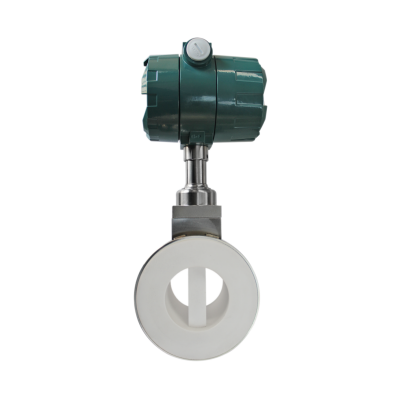
Advanced Digital Vortex Flow Meter for Accurate Water and Liquid MeasurementNegotiableMOQ: 10 Pieces
-
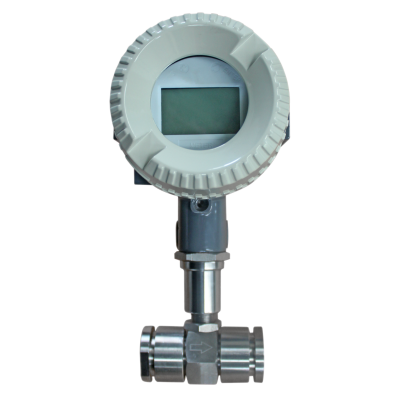
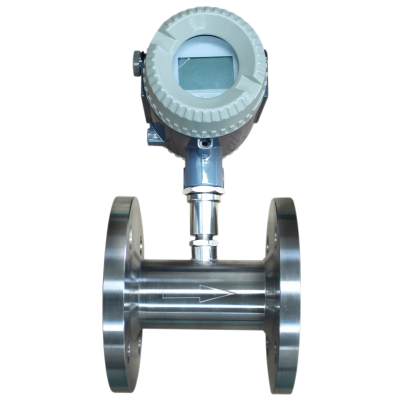
DN50 304 Stainless Steel Turbine Flowmeter for Diesel Oil MeasurementNegotiableMOQ: 10 Units
-
Low-Temperature Turbine Flowmeter for Liquid Nitrogen Applications in Cryogenic SystemsNegotiableMOQ: 10 Units
-
Industrial UV Disinfection Machine for Food & Beverage Industry - UVTunnelTM Tech, 1-40℃ Working TempNegotiableMOQ: 1 Set
-
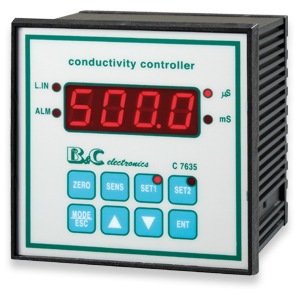
C 7635 High-purity Water Conductivity Transmitter With Automatic Temperature Compensation 0-100°CNegotiableMOQ: 1 Set
-
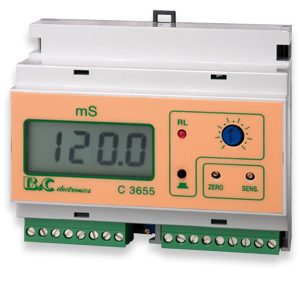
C 3655 Conductivity Meter Output Conductivity Transmitter With IP65 Waterproof HousingNegotiableMOQ: 1 Set
-
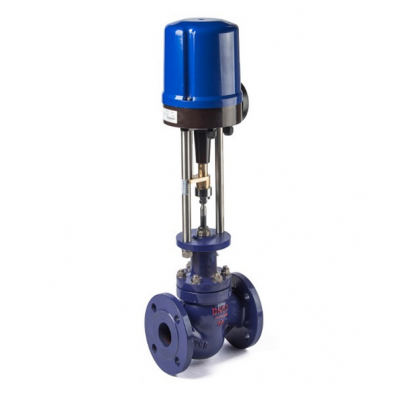
High Performance Electric Regulating Valve for Environmental Protection Water Treatment SystemsNegotiableMOQ: 1 Piece
-
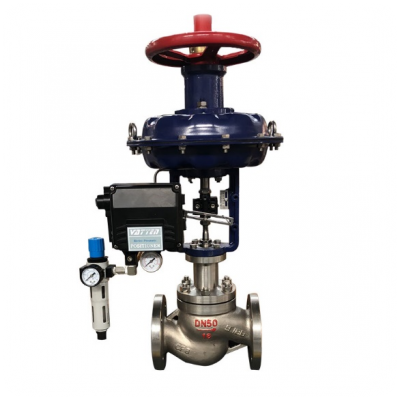
High Quality Pneumatic Control Valve for Chemical Pharmaceutical Industry Chinese Strong Factory With Spot StockNegotiableMOQ: 1 Piece
-
Pneumatic or Electric Actuator Compatible Full Fluorine-Lined Butterfly Valve With On/Off and Smart Regulating OptionsNegotiableMOQ: 1 Set
-
Powder Conveying Specialized Pneumatic Y-Type Ball Valve, Full Bore Design With No Dead Space for Clean MediaNegotiableMOQ: 1 Set
-
Manual, Pneumatic, or Electric Flanged Ball Valve With ISO5211 High Platform, Easy 90-Degree Operation for Fluid ControlNegotiableMOQ: 1 Set
-
Zero Leakage Full Fluorine-Lined Butterfly Valve Featuring Superior Corrosion Resistance and Long Service LifeNegotiableMOQ: 1 Set
-
Bottom Discharge Valve VTF-88-3 Series, DN25-DN300, Stainless Steel 316L/Carbon Steel, PN10/PN16 Class 150, Manual or Pneumatic ActuationNegotiableMOQ: 1 Set
-
Cost-Effective Knife Gate Valve With Rigid/Elastic Gate Options - Ensures Tight Shutoff and High Performance in Diverse Industrial SettingsNegotiableMOQ: 1 Set
-
FLS PH/ORP 200 Epoxy Resin Body Glass Bulb Electrode (Single-Junction/Double-Junction Versions)NegotiableMOQ: 100 Pieces
-
FLS F3.20 Flow Sensor Optimized for HVAC Systems, Cooling Units, and Boiler Feed Water, Featuring Low Maintenance and High Precision AccuracyNegotiableMOQ: 100 Pieces
-
FLS F3.80 Oval Gear Flow Sensor – High Precision for High-Viscosity Liquids (10-150L/h, IP65)NegotiableMOQ: 100 Pieces